English
 日本語
日本語 Tiếng Việt
 繁體中文
繁體中文 بالعربية
 Արմենյան
 한국어
한국어 Русский
 Türkçe
 คนไทย
คนไทย nederlands
 Română
 Gaeilgenah Éireann
 Português
 Indonesia
 Polski
 Español
 magyar
 Nederlands
 हिंदी
हिंदी Eesti
Eesti
What should be noted before using a fire hose nozzle?
Must-Read Before Using Fire Hose Nozzles: 6 Core Precautions to Ensure Emergency Fire Extinguishing Efficiency
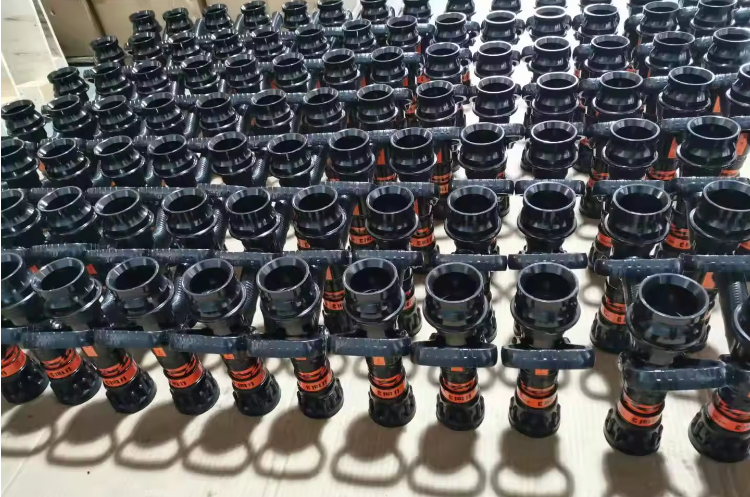
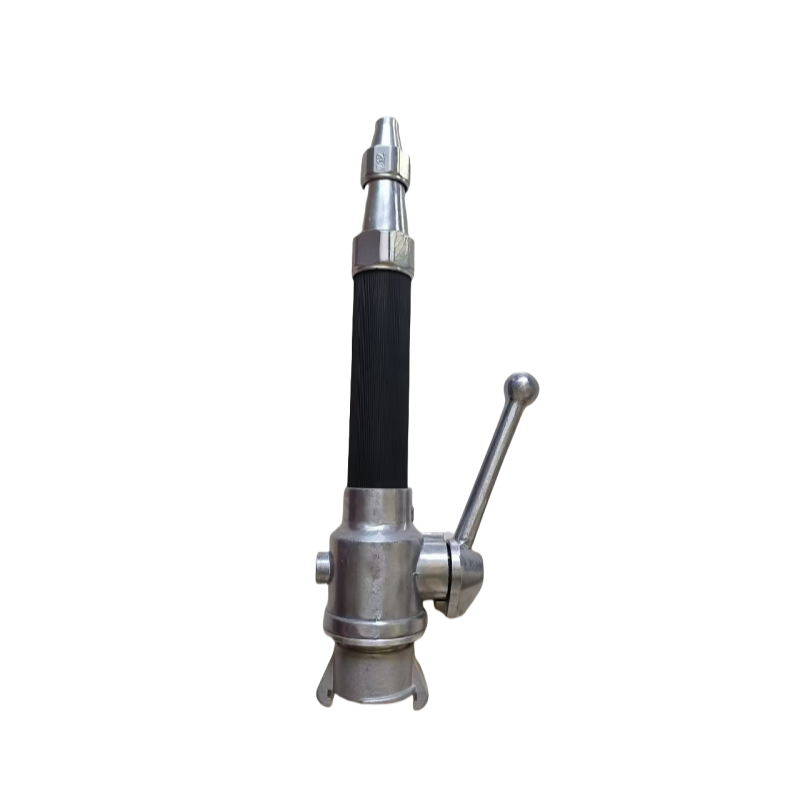
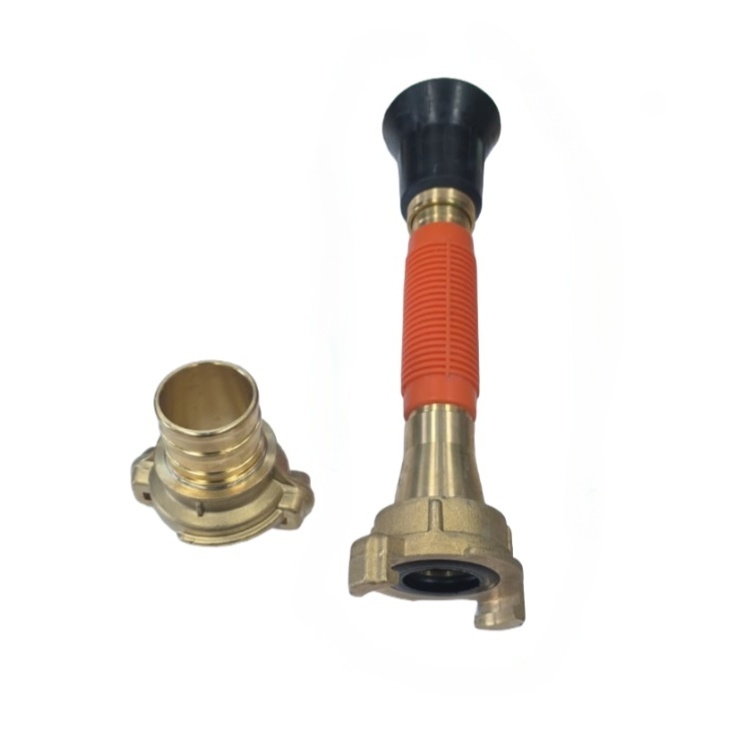
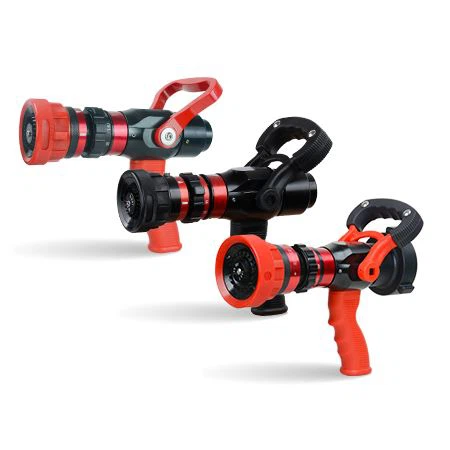
As a key end component of the fire water supply system, the performance of a fire hose nozzle directly determines the fire extinguishing effect in the early stage of a fire. Before official use, a series of inspection and verification processes must be strictly implemented to avoid emergency response failure due to equipment malfunctions. The following are the 6 core precautions for fire hose nozzles before use:- Appearance Integrity InspectionFirst, observe the overall appearance of the fire hose nozzle to confirm that the body, handle, nozzle, and connector are free of cracks, deformation, rust, or damage. Focus on checking whether the sealing surface of the brass connector is flat, whether the non-slip rubber handle is loose or aging, and whether the nozzle is unobstructed. If any component damage is found, replace it immediately; do not use the nozzle with faults.
- Compatibility VerificationThe fire hose nozzle must match the specifications of the supporting fire hose and fire hydrant connector. Before use, test-connect the nozzle connector with the hose quick coupling to confirm that there is no looseness or gap after rotating and locking, ensuring no leakage after water is supplied. For fire systems of different specifications, select the corresponding nozzle model to avoid installation delays due to mismatched connectors.
- Pressure Resistance TestingConduct regular pressure resistance tests on fire hose nozzles, with the test pressure complying with national fire equipment standards (usually 1.5 times the working pressure). During the test, close the nozzle, connect to a pressure water source, and check for leakage in the nozzle body and connectors. Nozzles that fail the pressure resistance test shall not be put into use and must be returned for maintenance or scrapped.
- Function Flexibility InspectionFor adjustable-flow fire hose nozzles, rotate the nozzle adjustment mechanism to confirm that it can smoothly switch between water flow modes such as jet and spray, with no jamming or abnormal noise during adjustment. At the same time, check whether the opening and closing action of the valve stem is flexible to ensure quick control of water flow on and off in emergencies.
- Maintenance Status ConfirmationCheck the maintenance records of the fire hose nozzle to confirm whether cleaning and rust-proof treatment have been carried out as required. Wipe off stains on the nozzle surface in a timely manner, and apply a small amount of anti-rust oil to the brass connector to prevent rust from affecting the sealing performance. For nozzles stored for a long time, take them out for regular inspection to avoid component failure due to humidity and dust accumulation.
- Safety Standard VerificationConfirm that the fire hose nozzle has passed the certification of the National Fire Product Quality Supervision and Inspection Center, with complete and clear product labels, specifications and models, and manufacturer information. It is strictly forbidden to use uncertified and unlabeled "three-no" products to ensure that the equipment meets the safety specifications of fire projects.