English
 日本語
日本語 Tiếng Việt
 繁體中文
繁體中文 بالعربية
 Արմենյան
 한국어
한국어 Русский
 Türkçe
 คนไทย
คนไทย nederlands
 Română
 Gaeilgenah Éireann
 Português
 Indonesia
 Polski
 Español
 magyar
 Nederlands
 हिंदी
हिंदी Eesti
Eesti
How to use a fire hose?
How to use a fire hose?
Complete Guide to Fire Hose Use_Practical Manual for Connection, Deployment and Fire Extinguishing Operation
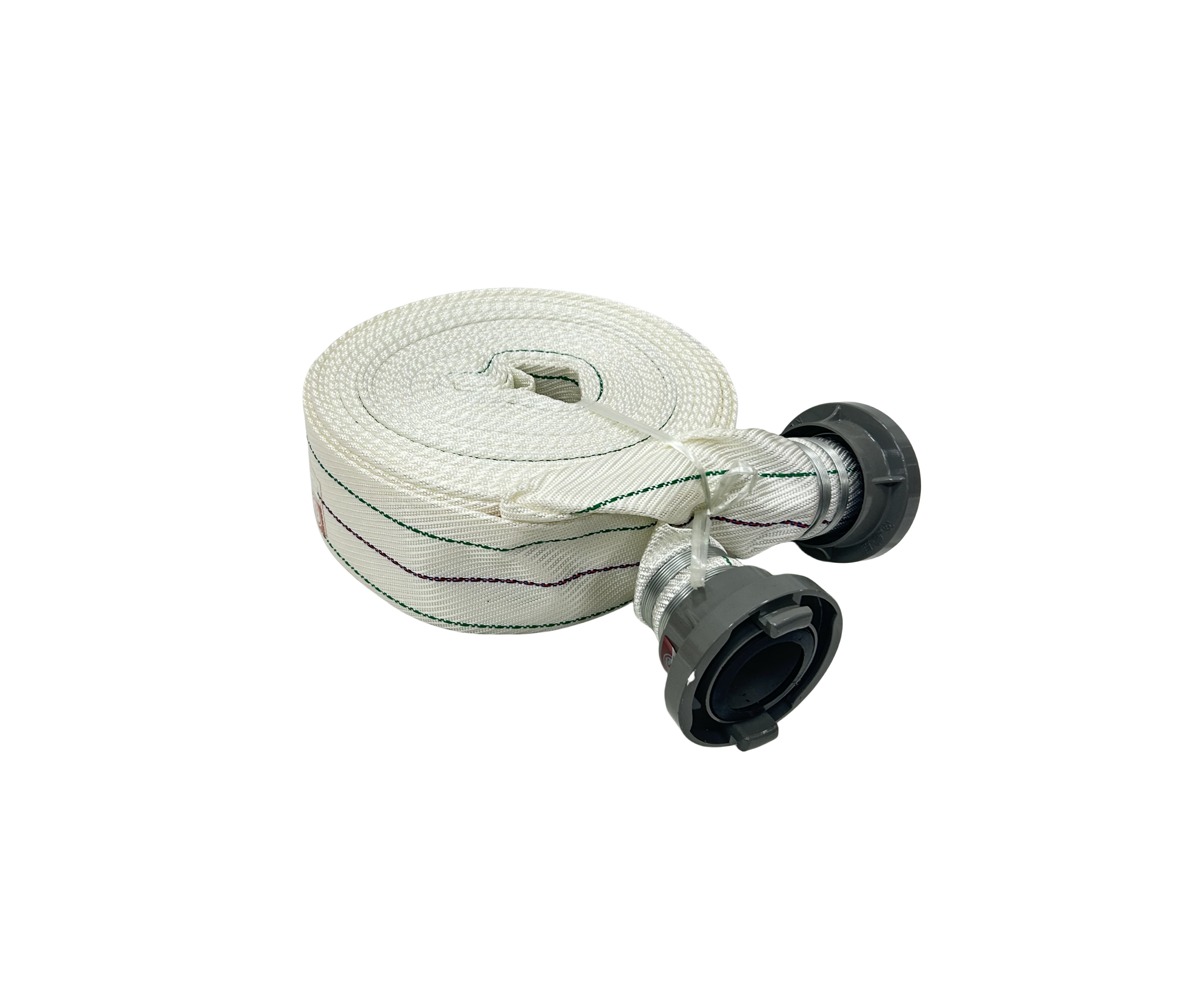
This article explains the core usage methods of fire hoses (including fire hydrant hoses and foam mixture hoses), covering the connection steps between hoses and fire hydrants/water guns, rapid deployment skills, on-site fire extinguishing operation processes, as well as post-use reset, daily maintenance and troubleshooting methods, applicable to the operation and management of industrial, civil and commercial fire protection scenarios.
Practical Guide to Fire Hose Use: Complete Process of Connection, Deployment and Fire Extinguishing, Standard Operation Ensures Safety
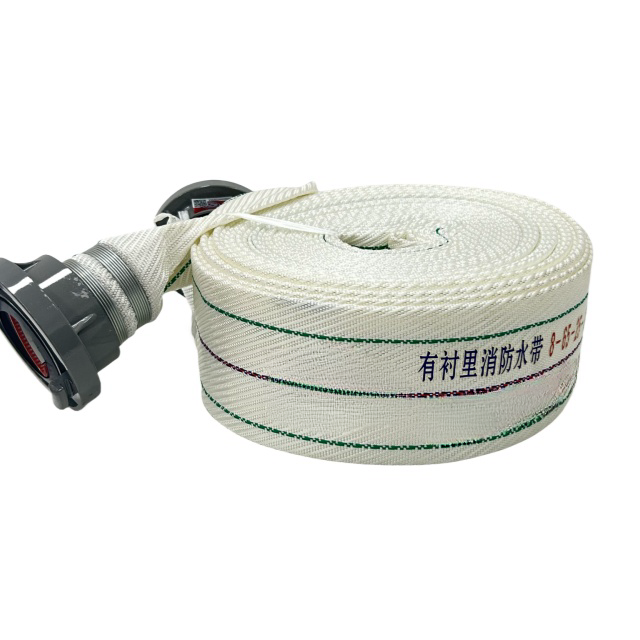
A fire hose is the "conveyance hub" of a fire water supply system, used to deliver high-pressure water flow from fire water sources (fire hydrants, fire pumps) to water guns for close-range fire fighting. Its use must follow the core principles of "firm connection, smooth deployment, standard operation, and timely reset". Incorrect operation may lead to hose burst, insufficient water pressure, or personal injury. This article comprehensively explains the correct use of fire hoses from five dimensions: hose types and applicable scenarios, pre-use inspection, standard operation process, post-use reset and maintenance, and safety precautions.I. Types and Applicable Scenarios of Fire Hoses
Fire hoses can be divided into rubber hoses, polyurethane hoses, and polyester braided hoses according to material, and clear water hoses and foam mixture hoses according to function. Different types of hoses have different pressure resistance levels and applicable scenarios, and matching must be confirmed before use.- Common Types and Parameters
- Rubber Hoses: Pressure resistance level 1.6-2.5MPa, wear-resistant and aging-resistant, suitable for harsh environments such as outdoor fire hydrant systems and industrial sites.
- Polyurethane Hoses: Pressure resistance level 1.0-1.6MPa, lightweight and flexible, suitable for indoor fire hydrant systems, commercial buildings and other scenarios.
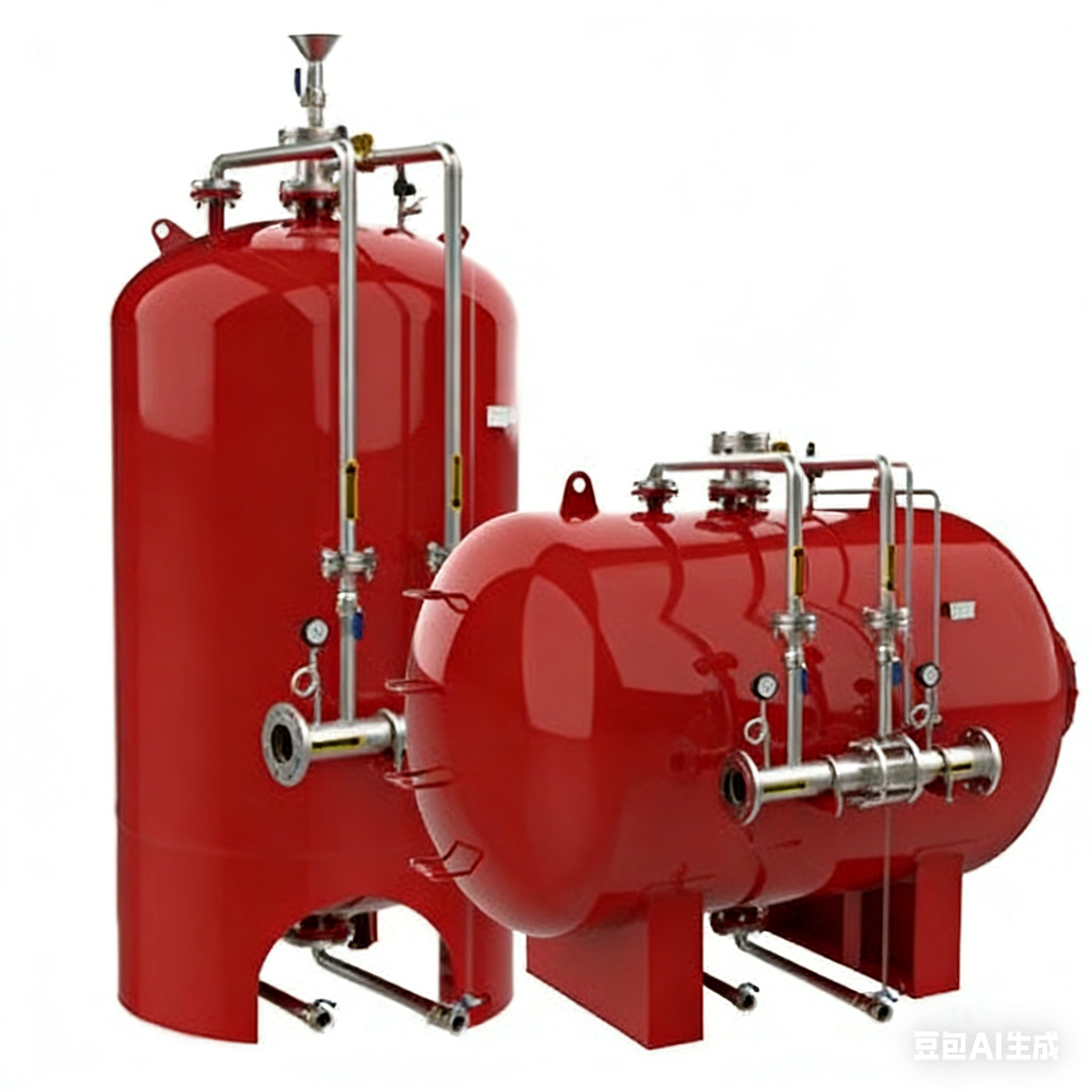
- Foam Mixture Hoses: Special nitrile rubber material, oil-resistant and solvent-resistant, pressure resistance level 1.6MPa, only applicable to fire foam systems, prohibited for clear water conveyance.
- Core Matching Requirements
- The hose diameter must match the fire hydrant interface and water gun diameter (common diameters: DN65, DN50, DN80).
- Foam mixture hoses must be used with foam guns and proportioners, and it is strictly prohibited to mix them with clear water hoses.
II. Key Pre-Use Inspection Items
Before using a fire hose, three core inspections must be carried out: appearance, integrity, and connection components. It is strictly prohibited to use hoses with damage, aging, or blockage.- Appearance Inspection
- The hose surface is free of cracks, damage, and aging stickiness, and the braided layer is free of thread jump and degumming.
- The hose marking is clear, with complete information such as pressure resistance level, applicable medium, and manufacturer, and it has not exceeded the service life (usually 3-5 years).
- Integrity Inspection
- Unfold the hose and check for hidden cracks and pinhole leaks (a slight pressure test can be performed).
- The interfaces (internal thread type, quick-connect type) at both ends of the hose are free of deformation and rust, and the sealing rubber rings are intact and not missing.
- Connection Component Inspection
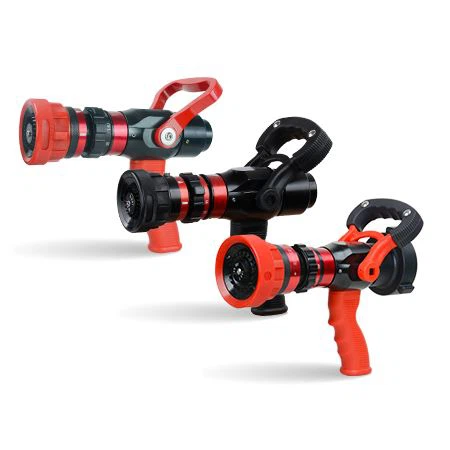
- The matching water gun switch is flexible, the nozzle is unobstructed, and the interface matches the hose.
- The fire hydrant valve opens and closes smoothly without jamming, and the interface sealing rubber ring is intact.
III. Standard Operation Process of Fire Hoses
The use process of a fire hose can be divided into four core steps: connection, deployment, fire extinguishing, and shutdown. It can be operated by one person or two people, and two-person cooperation is more efficient and safer.- Connection Steps (Taking Indoor Fire Hydrant System as an Example)
- Single-Person Operation:
- Open the fire hydrant cabinet door and take out the hose and water gun.
- Align the interface at one end of the hose with the fire hydrant interface, tighten clockwise (internal thread type interface) or press and lock (quick-connect type interface) to ensure a firm and non-loose connection.
- Connect the interface at the other end of the hose with the water gun interface, and tighten or lock it in the same way.
- Two-Person Operation:
- One person opens the fire hydrant cabinet and holds one end of the hose to connect with the fire hydrant.
- The other person holds the other end of the hose to connect with the water gun, and straightens the hose at the same time to avoid twisting.
- Single-Person Operation:
- Deployment Skills
- Straight Deployment: Hold the hose interfaces with both hands, lean forward, run quickly in the direction of fire fighting, and spread the hose flat along the way. It is strictly prohibited to drag the rough surface of the hose to prevent wear and damage.
- Curve Deployment: When encountering a corner or obstacle, reserve a sufficient length of hose at the obstacle and bypass it in a "U" shape to avoid poor water flow or burst caused by hose bending.
- Precautions: The deployed hose must not be pressed under heavy objects or pass through sharp object areas to prevent being punctured or flattened.
- Fire Extinguishing Operation
- One operator holds the water gun, stands firm with feet shoulder-width apart, and aims the water gun at the base of the fire source.
- The other operator slowly rotates the fire hydrant valve handwheel counterclockwise, strictly prohibiting rapid full opening (to prevent hose burst or water gun detachment due to water pressure impact).
- The water gun operator presses the water gun switch to start spraying water for fire extinguishing; if the water pressure is insufficient, notify the fire control room to start the fire pump, or manually open the pump outlet valve in the pump room.
- During fire extinguishing, keep the hose straight to avoid twisting and kinking; if it is necessary to move the hose, close the fire hydrant valve first and drain the water in the hose before moving.
- Shutdown Steps
- After the fire is extinguished, close the water gun switch first, then slowly rotate the fire hydrant valve handwheel clockwise to turn off the water source.
- For foam mixture hoses, continue to turn on the water source for 1-2 minutes and rinse the inside of the hose with clear water to prevent foam concentrate residue from corroding the hose.
IV. Post-Use Reset and Daily Maintenance Specifications
The service life and reliability of fire hoses depend on timely reset after use and regular daily maintenance to avoid fault accumulation affecting emergency performance.- Core Reset Steps After Use
- Drainage: Place the hose flat and shake it gently to drain the residual water inside; foam mixture hoses need to be repeatedly rinsed with clear water until there is no foam residue inside.
- Drying: Hang the hose in a well-ventilated and dry place to air dry naturally. It is strictly prohibited to expose to the sun, bake or dry at high temperature to prevent hose aging and deformation.
- Rolling: Adopt the "double-fold rolling method": fold the hose in half, roll it tightly from the middle to both ends to ensure the interfaces are aligned; after rolling, put it into the fire hydrant cabinet or hang it on a special hose rack.
- Inspection and Recording: Before resetting, inspect the hose again for damage and the interfaces for rust, keep maintenance records, and replace damaged parts in a timely manner.
- Daily Maintenance Specifications
- Regular Inspection: Conduct a monthly appearance inspection of the hose to check for damage and aging, and whether the interface sealing rubber rings are intact; conduct a pressure test every quarter (fill with water to the rated working pressure, keep for 5 minutes, and it is qualified if there is no leakage or burst).
- Storage Requirements: Hoses should be stored in a cool, dry and well-ventilated environment with a temperature controlled at 0-40℃, away from heat sources and chemical corrosives; the stacking height should not exceed 1.5 meters to prevent deformation.
- Replacement Cycle: The service life of rubber hoses and polyurethane hoses is 3-5 years, and the service life of foam mixture hoses is 2-3 years. They must be compulsorily replaced after the expiration date, and it is strictly prohibited to use them beyond the expiration date.
- Common Fault Troubleshooting
- Hose Burst: Turn off the water source immediately and replace with a spare hose; afterwards, check the cause of the burst (such as overpressure use, aging, damage) and conduct a pressure test on the relevant system.
- Interface Leakage: Check if the sealing rubber ring is missing or aging, replace it with a new one and retighten the interface; if the interface is deformed, replace the hose interface or the entire hose.
- Poor Water Flow Due to Hose Kinking: Stop water supply, straighten the kinked part, and turn on the water source only after ensuring the hose is not twisted.
V. Safety Operation Precautions
During fire hose operation, high-pressure water flow has a large impact force, and safety specifications must be strictly followed to avoid personal injury or equipment damage.- Pre-Operation Protection
- Operators must wear protective gloves and goggles to prevent eye injury from high-pressure water splashes or hand injury from hose interfaces.
- Unauthorized personnel are strictly prohibited from approaching the operation area to avoid accidental injury caused by hose burst or water gun detachment.
- Safety During Operation
- When opening the fire hydrant valve, operate it slowly to gradually increase the water pressure. After the hose is filled with water and there is no abnormality, fully open the valve.
- The water gun operator must stand firm and hold it tightly to prevent the water gun from detaching due to excessive water pressure; do not aim the water gun at personnel to prevent injury from high-pressure water flow.
- After the hose is deployed, clear the surrounding obstacles in a timely manner to prevent personnel from tripping and falling.
- Operation in Special Environments
- Low-Temperature Environment: Drain the water in the hose immediately after use to prevent freezing and expansion from causing hose rupture; during storage, keep the environmental temperature above 0℃, or insulate the hose.
- Corrosive Environment: Prioritize the use of hoses with stainless steel interfaces. After use, rinse the surface corrosive medium with clear water and apply anti-rust oil after drying.
- High-Altitude Operation: When using hoses in high-rise buildings, ensure the hoses are firmly fixed to prevent them from falling from high altitudes and injuring personnel or damaging equipment.
Core Summary
The core usage logic of fire hoses is "firm connection is the foundation, smooth deployment is the key, standard operation is the guarantee, and maintenance and reset are the core". During use, it is necessary to first confirm that the hose type matches the scenario and complete the appearance and integrity inspection; during operation, strictly follow the process of connection, deployment, fire extinguishing and shutdown, and two-person cooperation can improve efficiency and safety; after use, the hose must be drained, dried and rolled in a timely manner, and regular maintenance and testing must be carried out.For enterprise safety managers and fire operators, proficiently mastering the correct use of fire hoses is an important prerequisite for ensuring the rapid and efficient suppression of initial fires in the event of a fire.