English
 日本語
日本語 Tiếng Việt
 繁體中文
繁體中文 بالعربية
 Արմենյան
 한국어
한국어 Русский
 Türkçe
 คนไทย
คนไทย nederlands
 Română
 Gaeilgenah Éireann
 Português
 Indonesia
 Polski
 Español
 magyar
 Nederlands
 हिंदी
हिंदी Eesti
Eesti
How to use a Foam Bladder Tank?
Practical Guide to Foam Bladder Tank Use: Complete Process from Filling to Fire Extinguishing
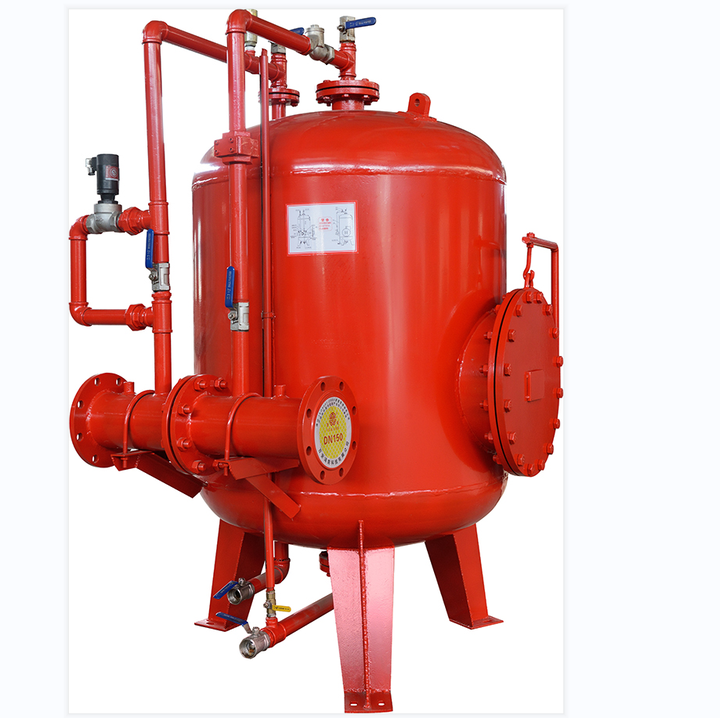
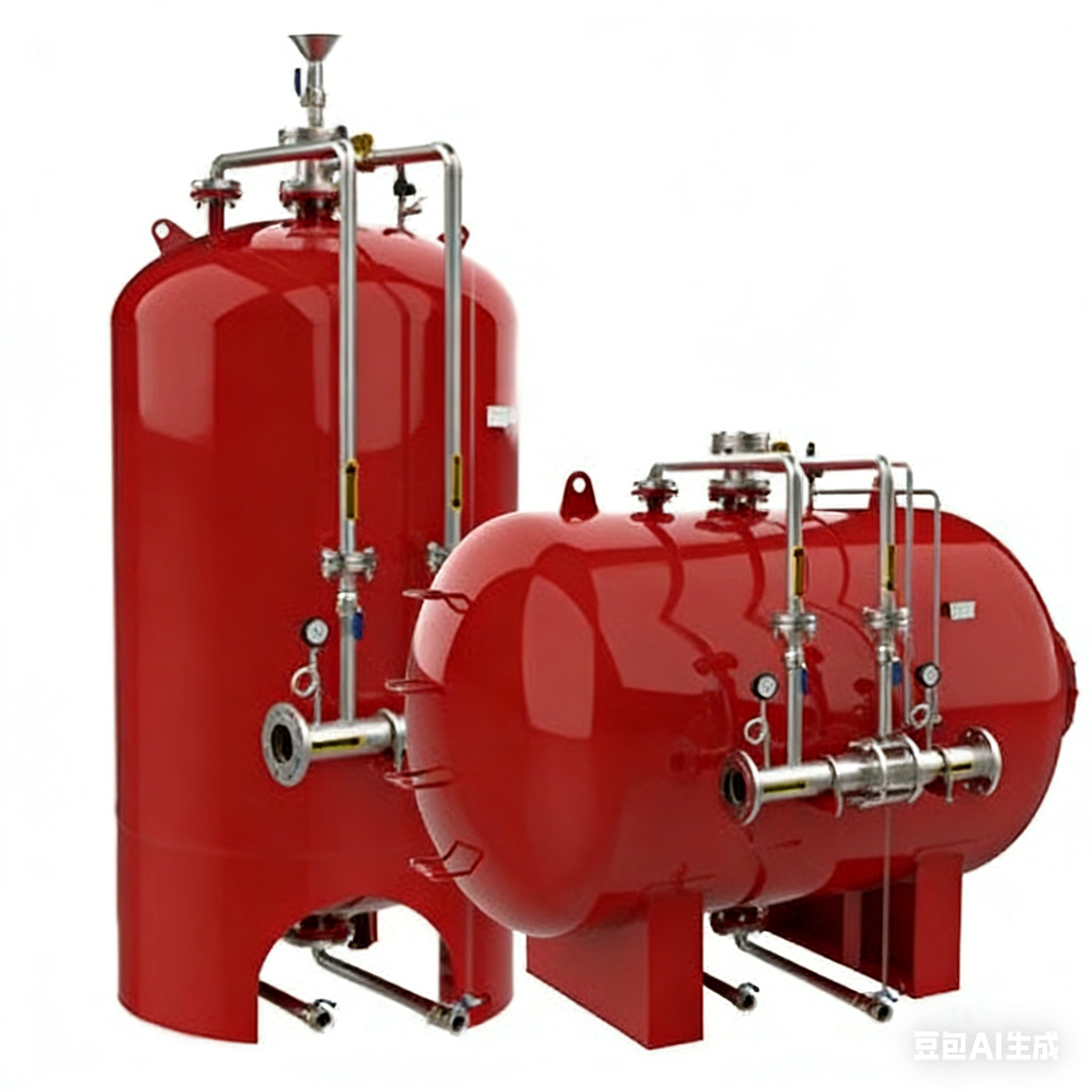
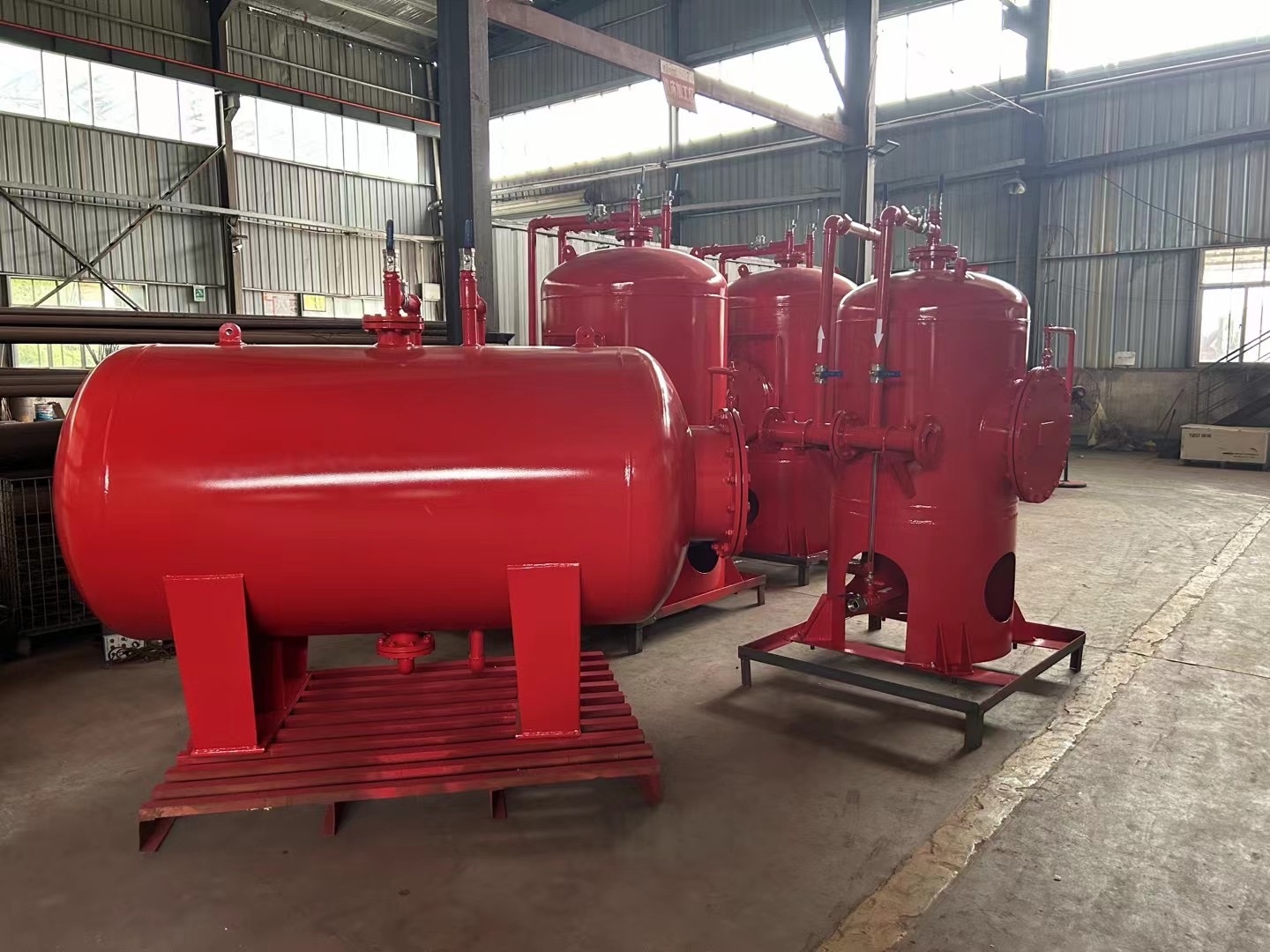
A foam bladder tank (also known as a diaphragm-type foam liquid storage tank) is the core liquid storage device of a foam fire extinguishing system. Its internal elastic bladder completely isolates the foam liquid from the water supply, and achieves precise proportioning of foam liquid and water through a proportioner to generate foam mixture for extinguishing fires such as oil and flammable liquid fires.Its use must follow the core principles of "zone isolation, precise filling, linkage commissioning, emergency activation, reset and maintenance". Incorrect operation will lead to foam liquid contamination, proportioning failure, reduced fire extinguishing efficiency and other problems. This article comprehensively explains the correct use of foam bladder tanks from five dimensions: structural principle, pre-use preparation, standard operation process, emergency operation, maintenance and upkeep.
I. Core Structure and Working Principle of Foam Bladder Tank
- Core Structure
- Tank Shell: Usually made of carbon steel/Q235 material with anti-corrosion coating, bearing water supply pressure;
- Elastic Bladder: Made of oil-resistant and corrosion-resistant nitrile rubber/fluororubber material, filled with foam liquid inside, completely isolated from external water supply;
- Supporting Components: Foam liquid filling port, liquid level gauge, liquid inlet and outlet, safety valve, blowdown valve, as well as foam proportioner (pressure type/balanced type).
- Working PrincipleFire-fighting water supply enters the outer cavity of the tank, squeezing the bladder to shrink it. Under pressure, the foam liquid inside the bladder is squeezed out, mixed with water in a preset ratio (such as 3%, 6%) through the proportioner, forming foam mixture which is then delivered to foam generators/foam guns to achieve fire extinguishing.
II. Key Pre-Use Preparation Work
1. Compatibility Inspection of Foam Liquid and Bladder
- Confirm that the type of foam liquid matches the fire medium: alcohol-resistant foam liquid is used for fires of polar solvents such as alcohols and ketones; fluoroprotein foam liquid is used for fires of non-polar oils such as crude oil and diesel.
- Check the integrity of the bladder: Observe the bladder state through the liquid level gauge for no bulging or leakage; ensure that the foam liquid has not expired (usually shelf life of 2-5 years) and is free from stratification and deterioration.
- It is strictly prohibited to mix foam liquids of different types and from different manufacturers to prevent chemical reactions from damaging the bladder or reducing fire extinguishing efficiency.
2. System Component Sealing and Linkage Test
- Close the tank's blowdown valve and vent valve, open the liquid inlet and outlet valves, and check that the connecting flanges and gaskets between the tank and the proportioner are free from loosening and damage.
- Conduct a low-pressure linkage test: Slowly introduce fire-fighting water at 0.2-0.3MPa, observe whether the bladder is squeezed smoothly, whether the pressure difference of the proportioner is stable, and whether there is leakage at the foam liquid outlet.
- Check the proportioning parameters of the foam proportioner: Set it to 3% or 6% according to the type of foam liquid to ensure that the mixing accuracy error is ≤±5%.
3. Environmental and Safety Preparation
- Confirm that there are no flammable and explosive substances in the tank installation area, with good ventilation, avoiding direct sunlight which may accelerate the aging of foam liquid.
- Operators wear protective gloves and goggles to prevent foam liquid from contacting the skin and eyes; prepare emergency clean water for flushing after accidental contact.
III. Standard Operation Process of Foam Bladder Tank (Normal Fire Extinguishing Scenario)
1. Foam Liquid Filling (For First Use or Refill)
- Close the tank's water supply valve and foam liquid outlet valve, open the filling port blank cap of the bladder and the tank's vent valve to discharge residual air inside the bladder.
- Slowly inject foam liquid into the bladder through a filling pump, observe the liquid level gauge, and stop filling when the liquid level reaches 85%-90% of the tank's rated capacity (reserve space for bladder contraction to prevent overfilling and rupture).
- Close the filling port and vent valve, and record the filling volume and foam liquid batch information.
2. System Linkage Activation (Automatic/Manual Mode)
- Automatic Mode (Applicable to Scenarios with Fire Alarm System)
- After the fire detector triggers an alarm, the fire pump starts automatically, and the water supply enters the outer cavity of the foam bladder tank.
- The water supply pressure squeezes the bladder, and the foam liquid is squeezed out at a constant speed, entering the proportioner to mix with water.
- The foam mixture is delivered to the foam generator through the pipeline, covering the surface of the fire source to suffocate the fire.
- Manual Mode (Applicable to Emergency Manual Operation Scenarios)
- The operator manually starts the fire pump and the tank's water supply valve, adjusts the valve opening to control the water supply pressure (usually 0.6-1.2MPa, according to the equipment nameplate parameters).
- Slowly open the foam liquid outlet valve, observe the pressure gauge of the proportioner to ensure that the pressure difference is stable within the rated range.
- After the foam mixture flows out stably, turn on the foam gun or foam generator, and aim at the base of the fire source for spraying.
3. Parameter Monitoring During Fire Extinguishing
- Real-time monitoring of water supply pressure and foam liquid outlet pressure to ensure stable pressure difference of the proportioner and avoid pressure fluctuations leading to proportioning imbalance.
- Observe the consumption rate of foam liquid in the bladder through the liquid level gauge to estimate the remaining fire extinguishing time; if the foam liquid is insufficient, it can be supplemented emergently by connecting a foam liquid supply interface with a fire engine.
- After the fire is extinguished, first close the foam liquid outlet valve, and continue to introduce clean water to flush the pipeline for 2-3 minutes to prevent residual foam liquid from solidifying and blocking the pipeline.
IV. Emergency Operation (Handling of Special Fault Scenarios)
- Bladder Rupture/Foam Liquid Contamination
- Immediately close the water supply valve and foam liquid outlet valve to prevent water supply from entering the bladder and contaminating the foam liquid.
- Drain the water in the outer cavity of the tank and the residual foam liquid in the bladder, disassemble and replace the damaged bladder, and refill with qualified foam liquid.
- Foam Proportioner Proportioning Failure
- Suspend system operation, check whether the nozzles and orifices of the proportioner are blocked, clean up debris, and re-adjust the pressure difference.
- If the proportioner is damaged, switch to a standby proportioner, or use a mobile foam proportioning device for emergency linkage.
- Tank Overpressure
- Immediately open the safety valve to relieve pressure, check whether the water supply valve opening is too large, and adjust it to the rated pressure range.
- If the safety valve fails, manually open the blowdown valve for emergency pressure relief to prevent tank deformation and damage.
V. Post-Use Reset and Daily Maintenance
1. Post-Use System Reset
- Drain residual water in the tank's outer cavity and residual foam mixture in the pipeline, and close all valves.
- Check the integrity of the bladder; if the liquid level drops abnormally, it is necessary to check for leakage points and repair them.
- Clean the pipelines, valves and proportioner, apply anti-rust grease, and restore to standby state.
- Record the time of this use, foam liquid consumption, system operating parameters, and file for future reference.
2. Daily Maintenance Points
- Regular Inspection: Check the bladder for leakage, the liquid level gauge for accuracy, and the valves for flexible opening and closing every month; conduct a linkage test every quarter to ensure normal system response.
- Foam Liquid Maintenance: Sample and test the performance of foam liquid every six months; if stratification, precipitation or discoloration occurs, replace it immediately; foam liquid storage should avoid high temperature and sun exposure, and stay away from acid and alkali media.
- Tank Anti-Corrosion: Inspect the anti-corrosion coating of the tank shell every year, and touch up damaged parts; the inspection frequency should be increased in coastal or corrosive environments, and the use of stainless steel tanks can extend the service life.
- Bladder Replacement: The service life of the bladder is usually 3-5 years, and it must be replaced after expiration to avoid aging and rupture.
Core Summary
The core usage logic of foam bladder tanks is "isolation to ensure purity, pressure to control proportioning, linkage to ensure efficiency, maintenance to ensure reliability".The key to operation lies in ensuring effective isolation of foam liquid and water supply, precise debugging of the proportioner, and timely reset and maintenance after use.This equipment is widely used in flammable liquid fire scenarios such as oil depots, gas stations, chemical plants and docks, and correct operation is a key prerequisite for ensuring fire extinguishing efficiency.