English
 日本語
日本語 Tiếng Việt
 繁體中文
繁體中文 بالعربية
 Արմենյան
 한국어
한국어 Русский
 Türkçe
 คนไทย
คนไทย nederlands
 Română
 Gaeilgenah Éireann
 Português
 Indonesia
 Polski
 Español
 magyar
 Nederlands
 हिंदी
हिंदी Eesti
Eesti
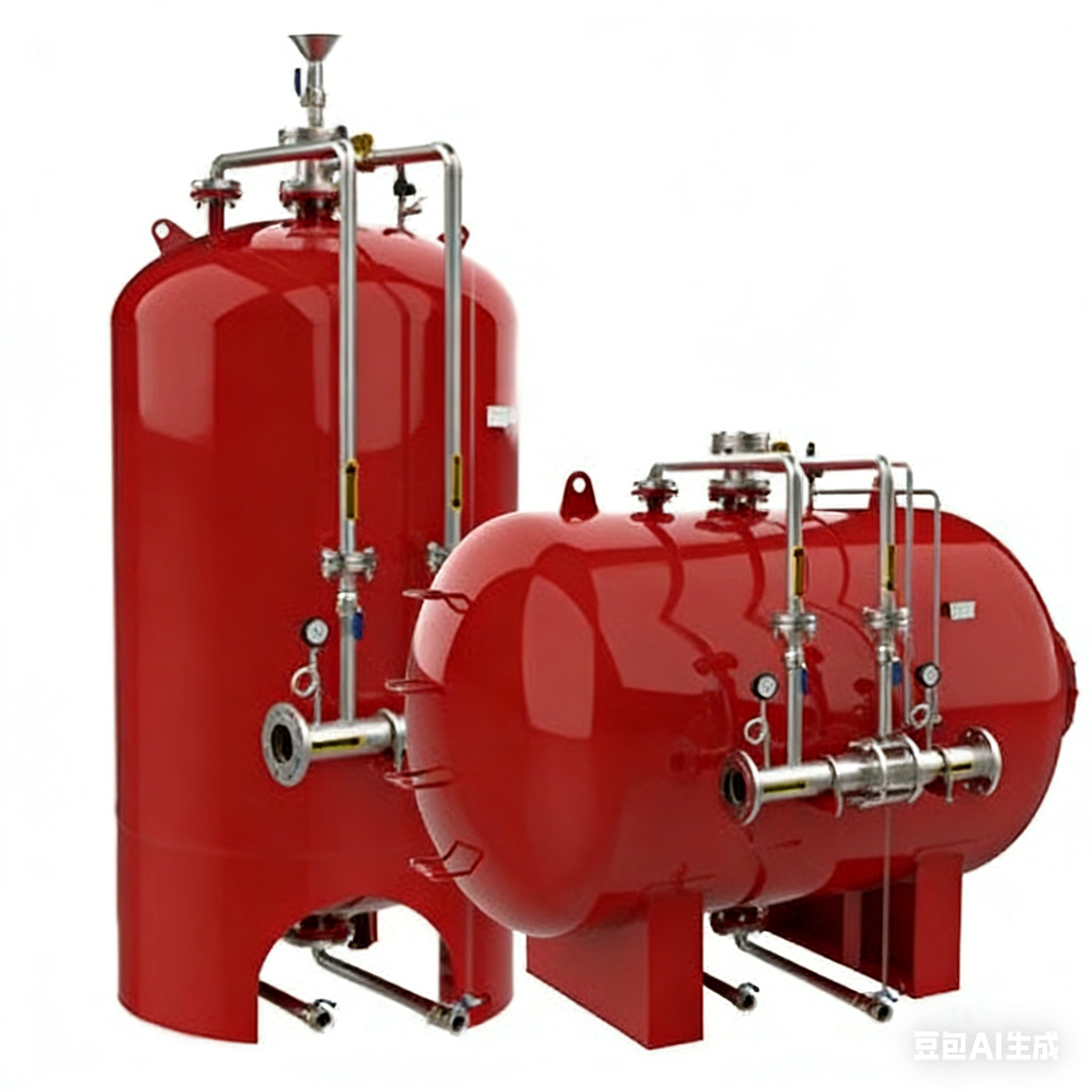
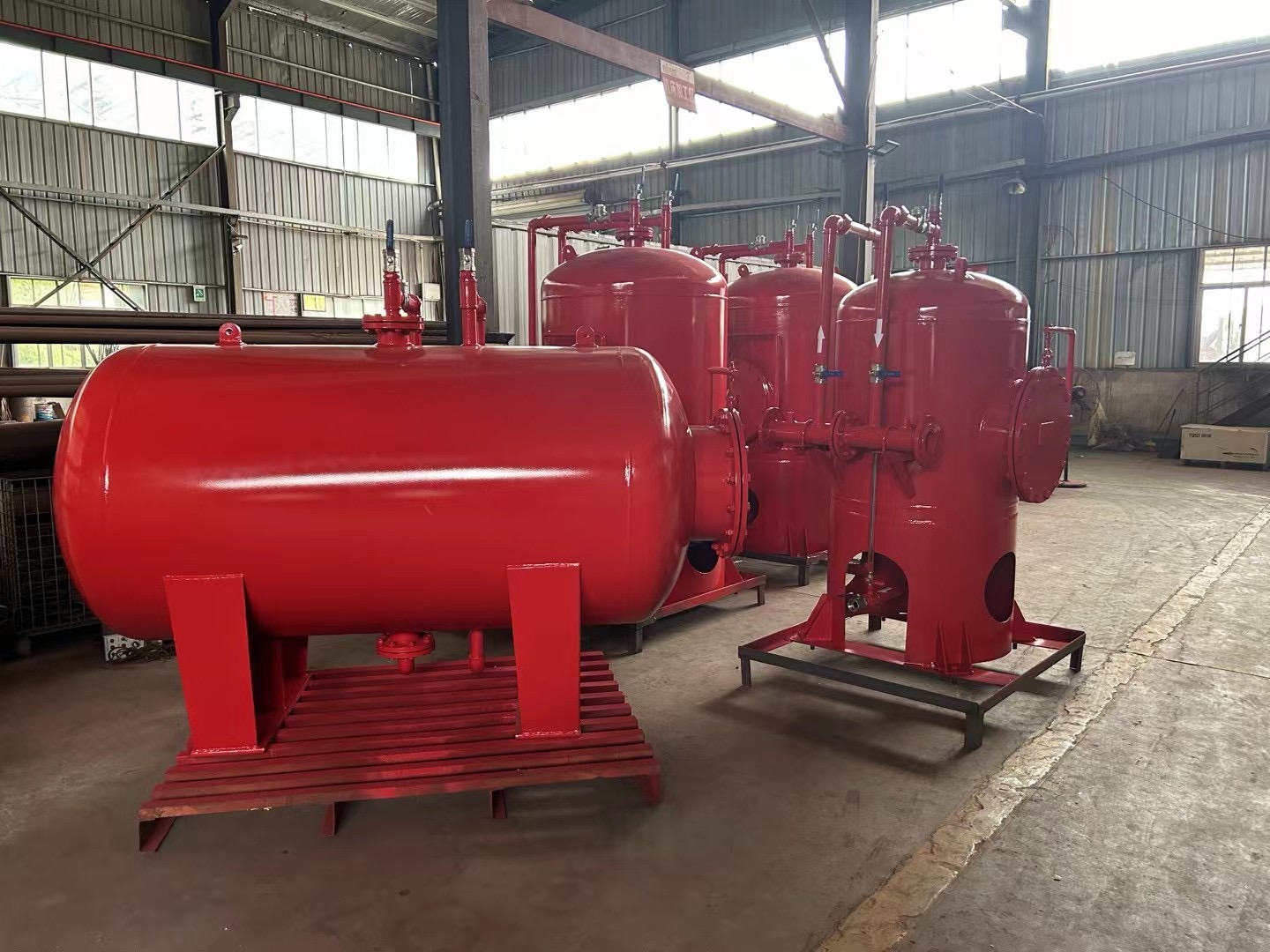
Environment-Adaptive Foam Bladder Tank, Multi-Scenario Special Fire Foam Storage Tank (Low-Temperatu
Foam Bladder Tank Selection Guide for Different Environments: Precisely Match Scenarios to Build a Solid Fire Defense Line
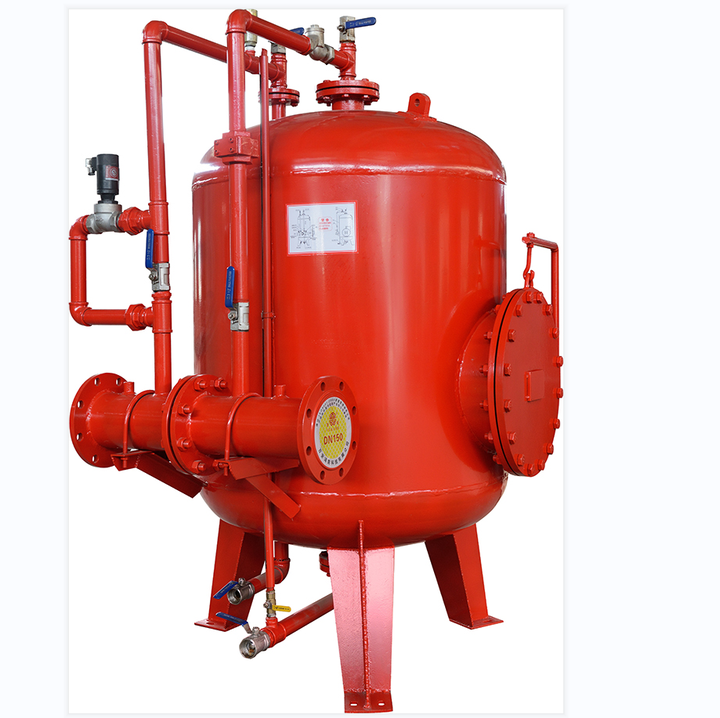
A foam bladder tank (also known as a diaphragm-type foam liquid storage tank) is the core liquid storage device of a foam fire extinguishing system. Its internal elastic bladder can completely isolate the foam liquid from the water supply, and generate high-efficiency fire-extinguishing foam after precise proportioning through a proportioner. The core logic of selection is "medium adaptation, environmental tolerance, pressure matching, and space compatibility". Blind selection ignoring scene differences may easily lead to fatal problems such as bladder rupture, foam liquid failure, and reduced fire extinguishing efficiency.The selection must follow three core principles: first, the medium priority principle, matching the foam liquid and bladder material according to the type of fire medium to ensure fire extinguishing efficiency; second, the environment adaptation principle, optimizing the tank structure and protection technology for extreme climates and special industrial working conditions; third, the compliance matching principle, ensuring that the product meets the requirements of standards such as GB 20031-2005 and has authoritative certifications such as CCCF, FM or UL. This article provides a comprehensive selection plan around three core scenarios: fire medium type, extreme climate environment, and special industrial environment.
I. Selection by Fire Medium Type (Core Adaptation Dimension)
The core function of a foam bladder tank is to store and accurately output foam liquid. The type of foam liquid directly determines the bladder material and tank configuration, which must be strictly matched with the fire-extinguishing medium to avoid chemical compatibility failure.| Type of Fire Medium | Applicable Foam Liquid Type | Bladder Material Selection | Core Tank Configuration | Typical Application Scenarios |
|---|---|---|---|---|
| Non-polar oils (crude oil, diesel, gasoline) | Fluoroprotein foam liquid, Aqueous Film-Forming Foam (AFFF) | Nitrile Butadiene Rubber (NBR) | Standard carbon steel tank + epoxy anti-corrosion coating; pressure-type proportioner | Oil depots, gas stations, fuel storage tank areas |
| Polar solvents (methanol, ethanol, acetone) | Alcohol-Resistant Aqueous Film-Forming Foam (AR-AFFF) | Fluoroelastomer (FKM) | Carbon steel tank + solvent-resistant coating; balanced proportioner (proportioning accuracy ≤±5%) | Chemical plants, alcohol warehouses, pharmaceutical workshops |
| General flammable liquids (paint, solvent oil) | Synthetic foam liquid | Nitrile Butadiene Rubber (NBR) | Economical carbon steel tank; simple proportioner | Painting workshops, small chemical warehouses |
| Low-temperature flammable liquids (liquid hydrocarbons, liquid oxygen) | Low-temperature resistant foam liquid | Ethylene Propylene Diene Monomer (EPDM) | Double-layer insulated tank + heat tracing device; low-temperature safety valve | Liquefied Natural Gas (LNG) stations, low-temperature storage tank areas |
Key Notes: The compatibility between the bladder material and the foam liquid is core. It is strictly prohibited to store alcohol-resistant foam liquid in NBR bladders (easily corroded and ruptured by solvents); when extinguishing polar solvent fires, the combination of "alcohol-resistant foam liquid + FKM bladder" must be selected, otherwise the foam liquid will fail and effective fire-extinguishing foam cannot be formed.
II. Selection by Extreme Climate Environment
Climatic conditions directly affect the stability of the tank structure, the effectiveness of the protection technology, and the weather resistance of the bladder. It is necessary to specifically solve core problems such as anti-freezing, sun protection, and anti-corrosion to ensure the normal operation of the equipment under extreme conditions.1. Low-Temperature and Frigid Environment (Winter temperature <-10℃, such as northern forest areas, pastoral areas, LNG stations)
Core Risks: Tank freezing and cracking, bladder hardening at low temperatures (loss of elasticity), foam liquid freezing and stratification.Selection Points:
- Tank Structure: Prioritize double-layer jacketed insulated tanks filled with polyurethane insulation material; external electric heat tracing devices (temperature automatically controlled at 5-10℃) to prevent foam liquid freezing.
- Bladder Material: Ethylene Propylene Diene Monomer (EPDM), which can withstand -40℃ low temperature without hardening, with an elasticity retention rate ≥90% to ensure smooth pressure transmission.
- Additional Configuration: Install a blowdown and vent valve at the bottom of the tank to completely drain residual water during shutdown; equip a low-temperature safety valve to ensure accurate and stable opening pressure and avoid overpressure risks.
2. High-Temperature and High-Humidity Environment (Summer temperature >40℃, such as southern coastal areas, tropical regions)
Core Risks: Accelerated aging and deterioration of foam liquid, high-temperature deformation of the bladder, and increased tank corrosion.Selection Points:
- Tank Protection: Carbon steel tanks adopt a double-layer coating of "epoxy zinc-rich primer + polyurethane topcoat", which has both sun protection and anti-corrosion properties; 304 stainless steel tanks can be directly selected when the budget is sufficient for better weather resistance.
- Bladder Material: Fluoroelastomer (FKM), which can withstand 200℃ high temperature and has better anti-aging performance than NBR, avoiding deformation and rupture at high temperatures.
- Installation Requirements: Place the tank under a sunshade to avoid direct sunlight; install a heat insulation shield for the liquid level gauge to prevent reading errors caused by high temperatures.
3. High Salt Spray Corrosion Environment (Coastal ports, islands, offshore platforms)
Core Risks: Tank rust perforation, interface seal failure, accelerated bladder aging.Selection Points:
- Tank Material: Prioritize 316 stainless steel tanks, which have better salt spray corrosion resistance than 304 stainless steel and a service life of more than 20 years; for economical selection, carbon steel tanks with hot-dip galvanizing + polytetrafluoroethylene coating can be used, with salt spray test ≥1000 hours without rust.
- Connecting Components: Flanges and valves are made of stainless steel, and gaskets are made of FKM to prevent water leakage caused by salt spray corrosion.
- Additional Configuration: Install a rainwater diversion trough on the top of the tank to avoid salt spray water accumulation soaking the interface; the inspection port for regular maintenance adopts a sealed design.
III. Selection by Special Industrial Environment
Special working conditions in industrial scenarios such as medium corrosion, space constraints, and explosion-proof requirements determine the structural design and safety configuration of foam bladder tanks, which need to be optimized to adapt to harsh industrial environments.1. Strong Corrosive Chemical Environment (Acid-base workshops, electroplating plants, fertilizer plants)
Core Risks: Tank corrosion by acid-base media, foam liquid contamination and failure.Selection Points:
- Tank Material: Adopt plastic-lined carbon steel tanks (lined with polyethylene/polytetrafluoroethylene) or all-plastic tanks (PP/PE material), which can effectively isolate acid-base medium corrosion and avoid tank leakage.
- Bladder Material: Fluoroelastomer (FKM), which is resistant to acid-base medium erosion and does not chemically react with foam liquid, ensuring foam liquid purity.
- Safety Configuration: Install an anti-leakage tray under the tank to prevent foam liquid leakage and environmental pollution in case of tank rupture; equip corrosion-resistant valves and pipelines.
2. Explosion-Proof High-Risk Environment (Oil refineries, chemical explosion-proof areas, gas stations)
Core Risks: Static accumulation causing explosion, electric equipment sparks igniting foam liquid vapor.Selection Points:
- Tank Structure: Carbon steel tanks are treated with anti-static grounding, with a grounding resistance ≤10Ω to prevent static accumulation and safety accidents.
- Supporting Components: Select explosion-proof liquid level gauges and pressure transmitters; electrical equipment meets Ex d IIB T4 explosion-proof standards to avoid spark generation.
- Installation Requirements: The distance between the tank and open flame sources is ≥15m, and it is placed in a well-ventilated explosion-proof area; the tank adopts a pressure-type design to avoid poor sealing of atmospheric pressure tanks.
3. Narrow Space Environment (High-rise building basements, small workshops, ship engine rooms)
Core Constraints: Limited installation space, narrow maintenance channels.Selection Points:
- Tank Structure: Select vertical compact tanks (height ≤2.5m, diameter ≤1.2m) to greatly save floor space; horizontal tanks can be used in scenarios with particularly narrow space, installed against the wall to utilize vertical space.
- Operation Configuration: Valves, filling ports and other operating components are centrally arranged on the side of the tank, reserving ≥0.8m maintenance space; equipped with remote liquid level monitoring devices to avoid frequent on-site liquid level checks.
- Capacity Customization: Customize the tank capacity according to the space size to ensure that it meets the fire extinguishing needs without occupying additional space.
IV. System Pressure and Capacity Matching Selection
The pressure parameters of the foam bladder tank must be accurately matched with the fire water supply pipeline system, and the capacity must be determined according to the size of the protected area and the fire risk level to avoid pressure imbalance or insufficient foam liquid supply.| System Working Pressure | Tank Rated Pressure Selection | Bladder Pressure Resistance Level | Applicable Scenarios | Recommended Capacity Range (Liters) |
|---|---|---|---|---|
| 0.6-1.0MPa | 1.6MPa | 1.2 times the system pressure | Civil building, small factory fire pipeline system | 300-1500 |
| 1.0-2.5MPa | 2.5-4.0MPa | 1.5 times the system pressure | Industrial high-pressure fire pipeline system, oil depot storage tank area | 1500-7000 |
| >2.5MPa | Custom high-pressure tank (designed as 1.25 times the system pressure) | 2.0 times the system pressure | Large chemical parks, long-distance transmission pipeline networks | 7000-20000 |
Key to Capacity Selection: It is necessary to comprehensively consider the action area of the protected area, the supply intensity of the foam mixture, the concentration of the foam liquid and the duration of fire extinguishing, and reserve 10%-20% safety capacity to avoid insufficient foam liquid supply affecting the fire extinguishing effect. For example, a 1000㎡ fuel storage tank area is recommended to use a foam bladder tank with a capacity of 1500-3000 liters.
V. Compliance and Brand Selection Points
1. Compliance Certification: All foam bladder tanks must meet the national standard GB 20031-2005 "General Technical Conditions for Foam Fire Extinguishing Systems and Components". The tank design and manufacture must comply with GB 150 requirements and have CCCF fire product certification; for export or overseas projects, products with FM, UL or EN 13445 certification can be selected, such as compliant products from brands like VIKING and Fomtec.2. Material Testing: The bladder must meet air tightness and physical performance requirements, with a minimum tensile strength of not less than 13.0MPa, an elongation rate of ≥300%, and a tensile strength retention rate of ≥85% after the hot air aging test; the tank must pass the strength test (test pressure is 1.25 times the maximum working pressure, no leakage or deformation for 15 minutes).
3. Brand and Service: Prioritize brands with good market reputation and strong technical strength, ensuring complete after-sales service that can provide one-stop services such as selection consultation, installation and commissioning, and later maintenance; pay attention to the product warranty period and accessory supply capacity to ensure long-term stable use.
Core Summary
The core logic of foam bladder tank selection can be summarized as "three-step precise matching": the first step is to determine the foam liquid and bladder material according to the type of fire medium; the second step is to optimize the tank structure and protection technology in combination with the climate and industrial environment; the third step is to match the system pressure and protected area requirements to determine the tank's rated pressure and capacity. At the same time, strictly follow the compliance certification requirements and select reliable brands and services to ensure that the foam fire extinguishing system exerts an efficient role at critical moments and builds a solid fire safety line.