English
 日本語
日本語 Tiếng Việt
 繁體中文
繁體中文 بالعربية
 Արմենյան
 한국어
한국어 Русский
 Türkçe
 คนไทย
คนไทย nederlands
 Română
 Gaeilgenah Éireann
 Português
 Indonesia
 Polski
 Español
 magyar
 Nederlands
 हिंदी
हिंदी Eesti
Eesti
How to use a fire sprinkler head?
Complete Guide to Fire Sprinkler Head Usage: Automatic Activation Principle and Manual Coordination Points
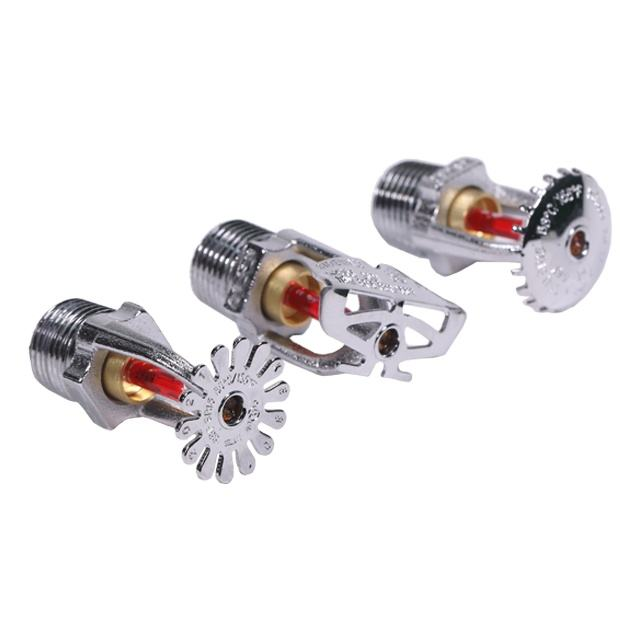
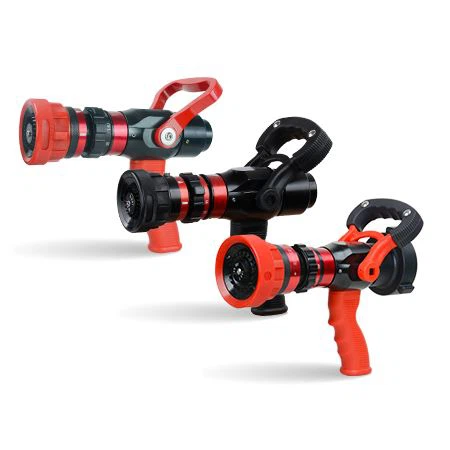
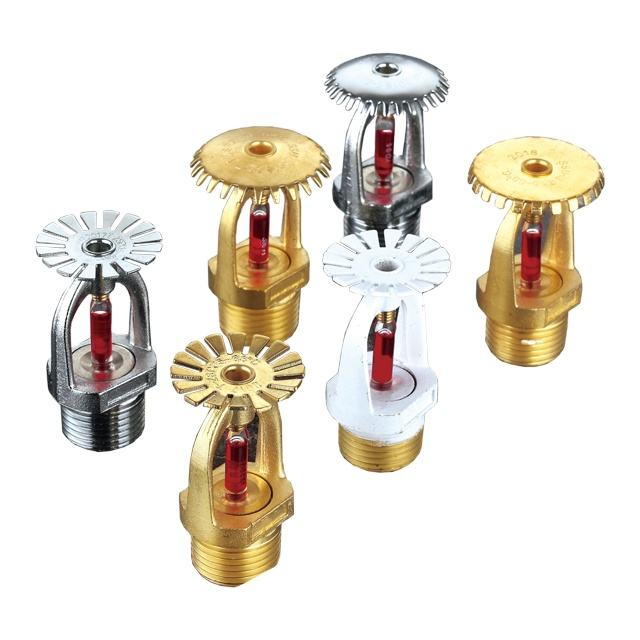
Fire sprinkler heads are core components of automatic sprinkler systems, widely used in commercial buildings, industrial plants, civil residences and other places. Unlike manually operated fire hose nozzles, sprinkler heads are characterized by automatic activation and can accurately spray water to extinguish fires in the early stage without human intervention. This article comprehensively analyzes the key usage points of fire sprinkler heads from the dimensions of working principle, activation conditions, usage coordination and post-maintenance.I. Core Working Principle: Differences Between Closed and Open Sprinklers
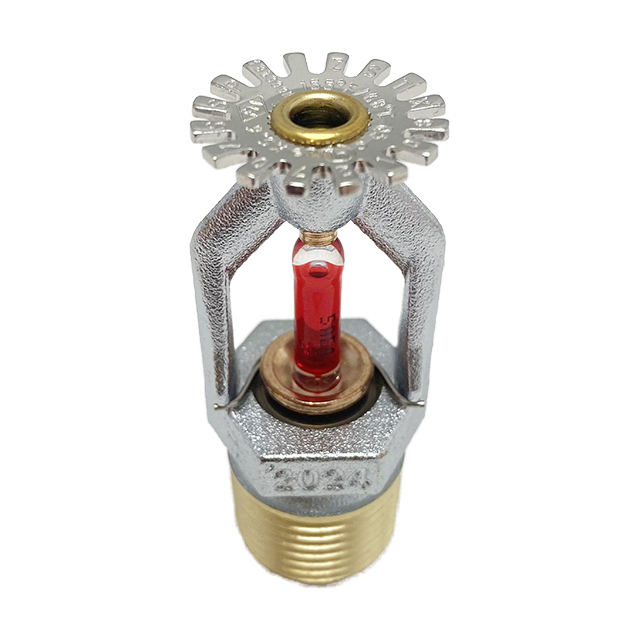
Fire sprinkler heads are mainly divided into two categories: closed sprinklers and open sprinklers, with essential differences in their usage logic and activation methods:- Closed Fire Sprinklers (Most Commonly Used)The sprinkler is equipped with a thermal element (glass bulb or fusible alloy) inside and remains sealed in normal conditions to prevent water in the pipeline from flowing out. When a fire occurs, the ambient temperature rises to the rated activation temperature of the thermal element (e.g., 68℃, 93℃), the thermal element will automatically rupture or melt, the sprinkler's sealing structure opens, and water is sprayed from the nozzle under the pressure of the pipe network to cover the fire area.
- Open Fire SprinklersThe sprinkler has no sealing structure, and the nozzle is always open. Its activation depends on the supporting fire detection system (such as smoke or heat detectors). When the detector alarms, the system control valve (such as a deluge valve) opens automatically, and water is sprayed over a large area through the sprinkler, suitable for special scenarios such as stages and power distribution rooms.
II. Automatic Activation Conditions: No Manual Operation Required, Temperature is the Core Trigger Signal
For the most widely used closed sprinklers, their activation is completely determined by ambient temperature without human intervention. The specific conditions are as follows:- The ambient temperature reaches the rated activation temperature of the sprinkler's thermal element (common specifications: 68℃ for ordinary places, 93℃ for high-temperature places such as kitchens and boiler rooms).
- The fire sprinkler pipe network maintains normal working pressure (usually 0.15-0.3MPa) to ensure timely water supply after the sprinkler is activated.
- The sprinkler is not blocked, damaged or modified to ensure that the thermal element can normally sense the fire temperature.
III. Usage Coordination Points: Coordination Between Manual Operation and Automatic Systems
Although sprinkler heads have an automatic activation function, manual coordination can greatly improve fire extinguishing efficiency when a fire occurs. The specific operation points are as follows:- Confirmation and Alarm in the Early Stage of FireWhen a fire is detected but the sprinkler has not been activated yet, the manual fire alarm button should be pressed immediately, and personnel evacuation should be notified at the same time. Do not delay the alarm by waiting for the sprinkler to activate.
- Coordinating Actions After Sprinkler Activation(1) Confirm normal water supply of the sprinkler system: If no water flows out after the sprinkler is activated, it may be due to insufficient pipe network pressure or the control valve not being opened. The fire control room should be notified immediately to start the pressure stabilizing pump or main pump.(2) Clear obstacles in the sprinkler's spraying area: Remove items that affect water flow coverage to ensure that the water spray can directly act on the fire source.(3) Avoid touching the activated sprinkler: The water pressure is high after the sprinkler is activated. Do not block the nozzle with hands or tools to avoid water pressure rebound or personal injury.
- Manual Intervention in Special ScenariosFor open sprinkler systems, if the fire detection system fails, professional personnel can manually open the system control valve to trigger the sprinkler to spray water under the premise of ensuring safety.
IV. Usage Precautions: Prohibit Unauthorized Operation to Ensure System Reliability
- Prohibit blocking or modifying the sprinkler: Do not hang items, paint or change the sprinkler model above the sprinkler, so as not to affect temperature sensing and water spray effect.
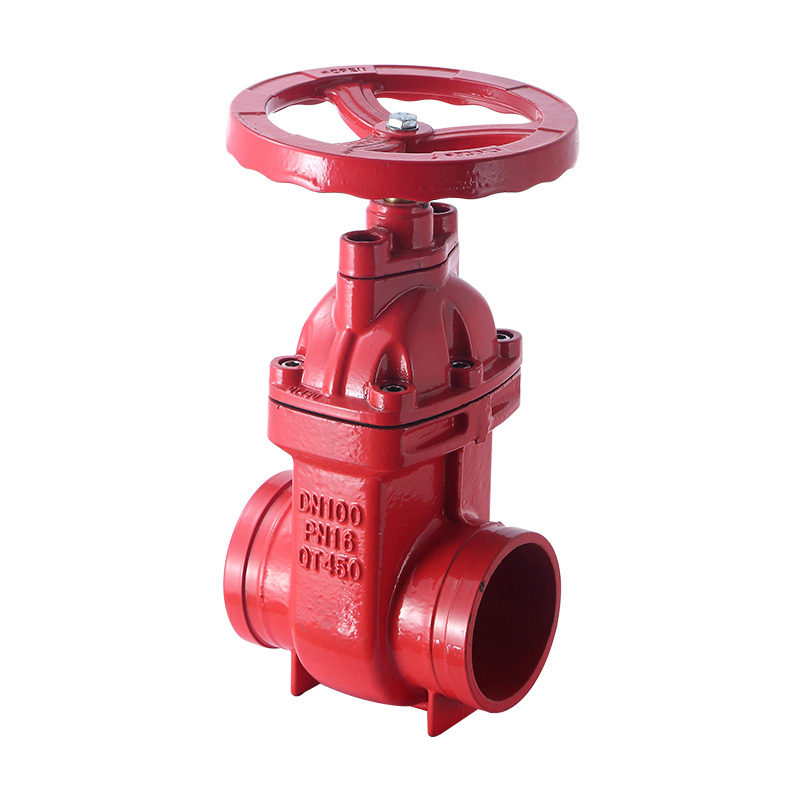
- Prohibit arbitrarily closing the sprinkler system control valve: The system main valve and zone control valve should be kept in the normally open state. They can only be closed by professional personnel during maintenance, with records and warnings made.
- Do not replace the sprinkler at will: When replacing the sprinkler, you must select a product with the same model and activation temperature as the original one, and the operation must be performed by personnel with fire protection qualifications.
- Timely replace the activated sprinkler after a fire: Once the sprinkler is activated (thermal element ruptured or melted), it cannot be reused. The new sprinkler must be replaced in a timely manner, and the pipe network must be pressure tested and drained.
V. Post-Maintenance: Extend Sprinkler Service Life and Ensure Emergency Reliability
- Regular appearance inspection: Inspect the sprinkler monthly for cracks, rust, deformation and intact sealing surfaces. Replace the sprinkler immediately if any problem is found.
- Regular function test: Every year, a professional organization shall conduct a linkage test of the sprinkler system to simulate fire scenarios and verify the sprinkler's activation sensitivity and system water supply capacity.
- Cleaning and rust prevention: For sprinklers installed in dusty places, clean the surface dust regularly with compressed air to avoid affecting temperature sensing; a small amount of anti-rust oil can be applied to the brass sprinkler components.
- Replace aging sprinklers: The service life of closed sprinklers is usually 5-10 years. Even if they are not activated, they should be replaced regularly in accordance with the specifications to avoid leakage due to aging of seals.
Core Summary
The core usage logic of fire sprinkler heads is "automatic activation, manual coordination". Their feature of no need for manual operation makes them an ideal fire protection device for unattended places. However, to ensure their reliable operation in case of fire, it is necessary to strictly abide by the installation specifications, usage precautions and maintenance systems. For building property management and enterprise safety management departments, regular inspection and maintenance are the key to ensuring the sprinkler system plays its role. Never ignore its importance because the sprinkler is "unused at ordinary times".