English
 日本語
日本語 Tiếng Việt
 繁體中文
繁體中文 بالعربية
 Արմենյան
 한국어
한국어 Русский
 Türkçe
 คนไทย
คนไทย nederlands
 Română
 Gaeilgenah Éireann
 Português
 Indonesia
 Polski
 Español
 magyar
 Nederlands
 हिंदी
हिंदी Eesti
Eesti
How to use a fire foam system?
Complete Guide to Using Fire Foam Systems: Automatic Linkage + Manual Operation for Efficient Extinguishing of Oil and Flammable Liquid Fires
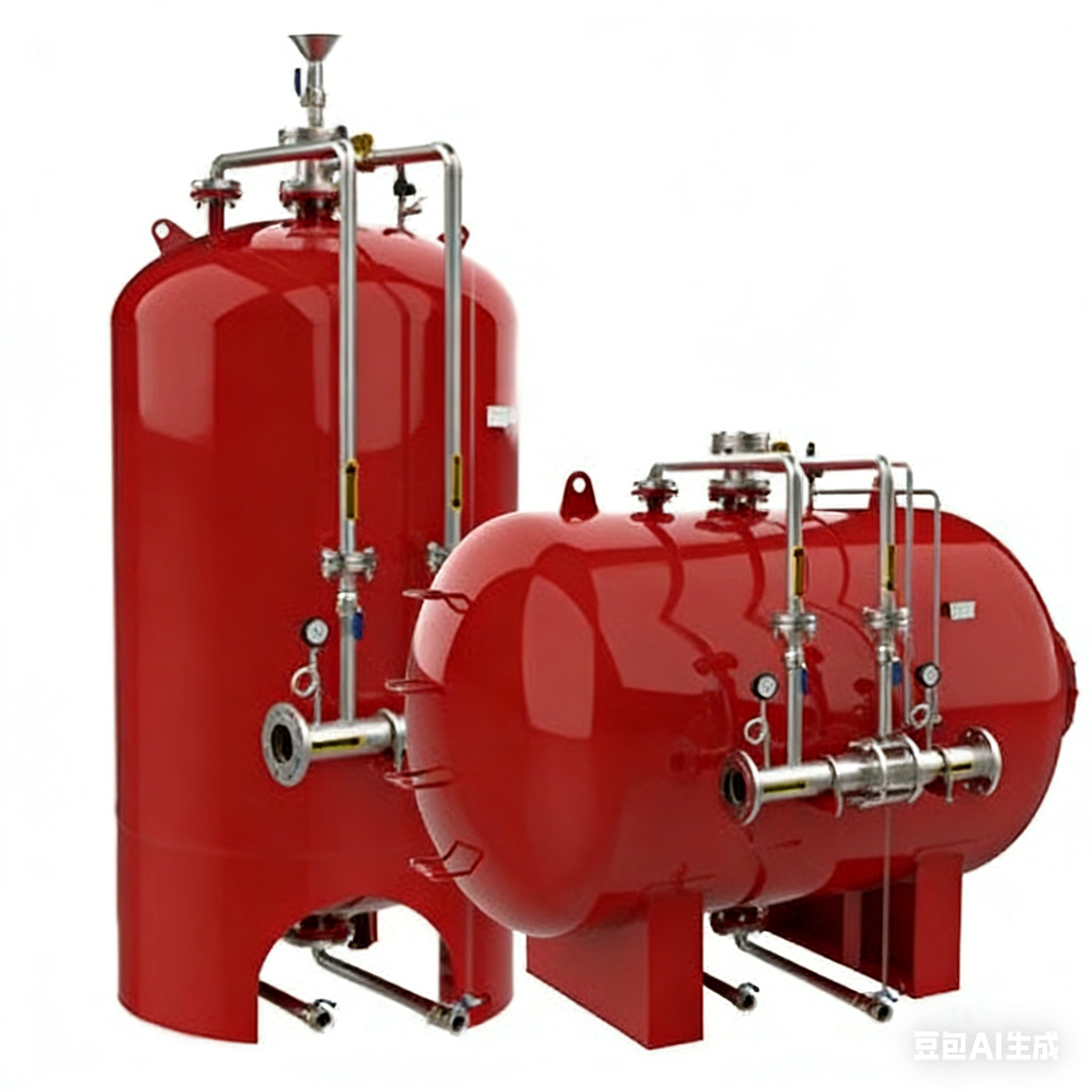
A fire foam system is a special-purpose fire extinguishing system for oil fires, flammable liquid fires and some solid combustible material fires. It is widely used in gas stations, oil depots, chemical plants, boiler rooms, kitchen equipment rooms and other scenarios. Its core principle is to mix foam extinguishing agent with water to form a highly covering foam layer, which isolates oxygen and suppresses combustion, with far higher fire extinguishing efficiency than traditional water sprinkler systems. Foam systems are divided into automatic linkage type and manual operation type. During use, operation specifications must be strictly followed based on the system type, fire scenario and on-site conditions. This article comprehensively explains the usage methods of fire foam systems from four dimensions: system type differences, activation operation steps, on-site coordination during fires, and maintenance key points.I. Core System Types: Automatic vs Manual, Differences in Applicable Scenarios
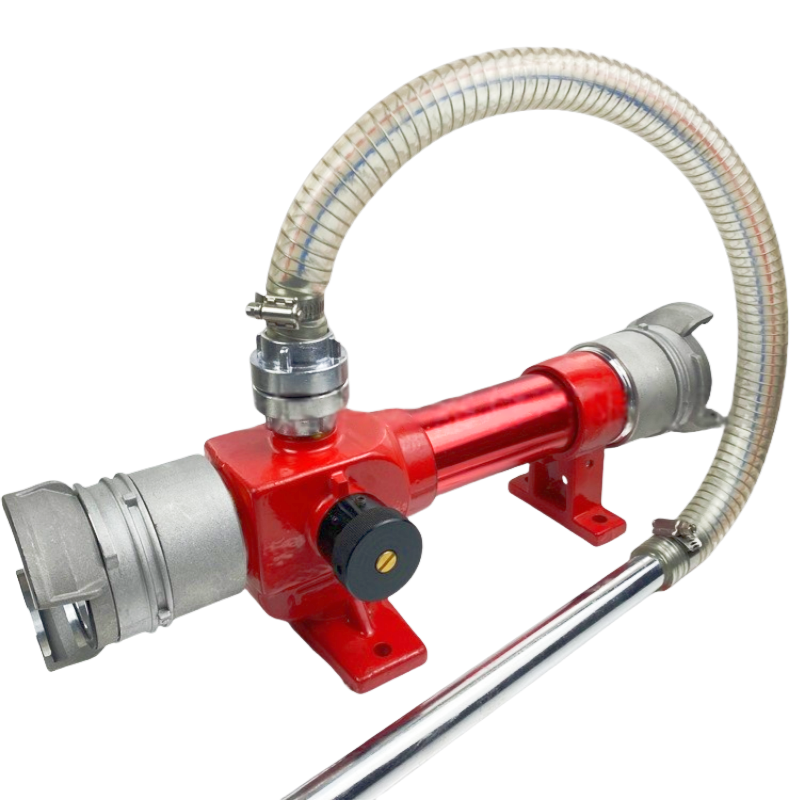
The usage method of a fire foam system is determined by its structural type, which is mainly divided into closed foam-water sprinkler systems and open foam spray/deluge systems. Some scenarios are equipped with independent manual foam monitor/foam gun systems.- Closed Foam-Water Sprinkler System
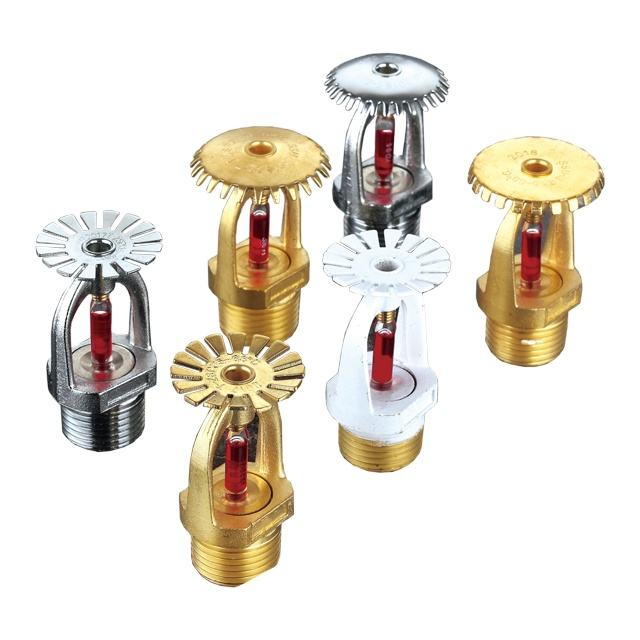
- Structural Features:Combined with closed sprinkler heads with built-in thermal elements (glass bulbs/fusible alloys). The system is normally filled with water or foam mixture and has an automatic activation function.
- Usage Logic:Fully automatic without human intervention. When a fire occurs and the ambient temperature reaches the sprinkler activation temperature (usually 68℃-93℃), the sprinkler heads open automatically, the foam proportioner works synchronously to mix foam concentrate with water in a fixed ratio, and foam is sprayed through the sprinkler heads to cover the fire source.
- Applicable Scenarios:Small enclosed spaces such as small oil depots, kitchen equipment areas, and transformer rooms.
- Open Foam Spray/Deluge System
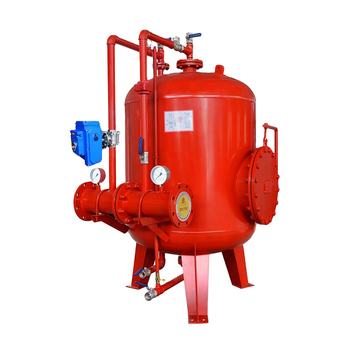
- Structural Features:Linked with open sprinkler heads, fire detection systems (smoke/heat detectors) and deluge valve groups. The system is normally empty, and foam concentrate is stored in a dedicated tank.
- Usage Logic:Automatic linkage as the main mode, manual operation as backup. After the detector detects a fire, the linkage control panel sends a signal to open the deluge valve group, the foam proportioner starts, and the mixture is sprayed over a large area through open sprinkler heads; if the automatic system fails, the deluge valve can be opened manually.
- Applicable Scenarios:Open spaces such as large oil depots, gas station oil unloading areas, and flammable liquid storage tank areas in chemical plants.
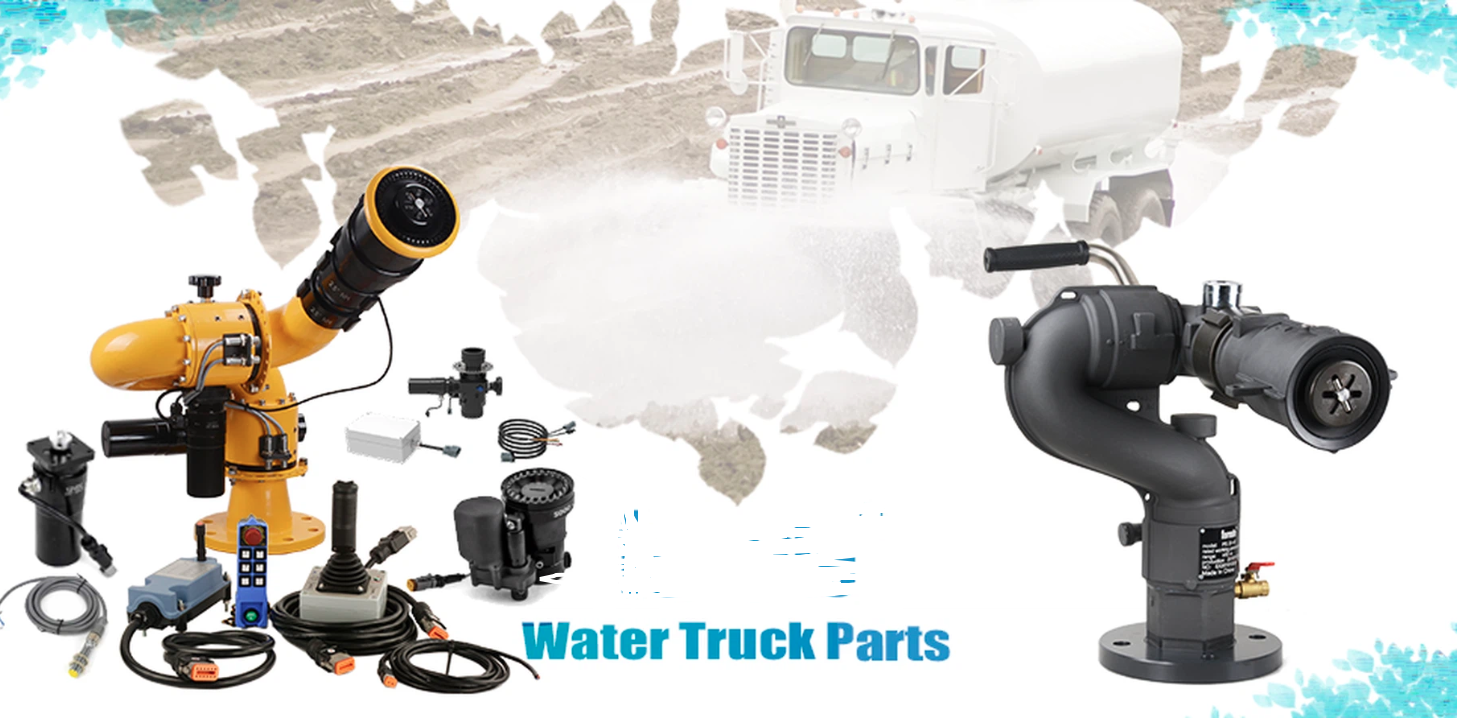
- Manual Foam Monitor/Foam Gun System
- Structural Features:Consists of a foam concentrate tank, proportioner, fire water pump and manually operated foam monitor/foam gun, with no automatic linkage function.
- Usage Logic:Fully manual operation, requiring on-site personnel to start the equipment and aim at the fire source.
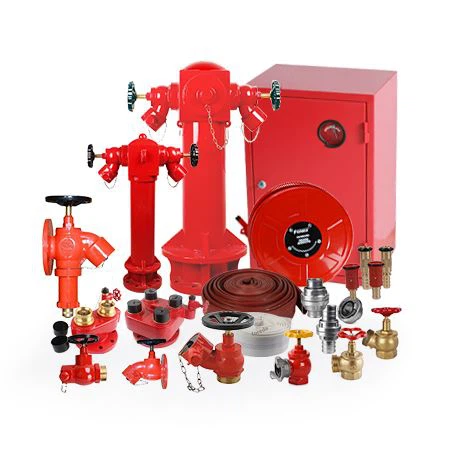
- Applicable Scenarios:Fire truck supporting equipment, small workshop emergency reserves, and outdoor fire hydrant supporting facilities.
II. Key Operation Steps: Core Processes for Automatic and Manual Systems
1. Operation Steps for Automatic Foam Systems (Closed/Open)
The core advantage of automatic systems is "unattended operation and rapid response". The key during use is to confirm that the system is in normal working condition and provide manual assistance during a fire.- Daily Standby Status:
- Check the liquid level of the foam concentrate tank to ensure sufficient foam concentrate (the liquid level should be above the tank scale line) and that the foam concentrate has not expired (usually a validity period of 2-5 years).
- Confirm that the system control valves (globe valves, deluge valves) are in the normally open state, and the pressure gauge shows normal pipeline network pressure (0.2-0.6MPa).
- Check that the power supply of the fire detection system and linkage control panel is normal and in automatic working mode.
- After Automatic Activation During a Fire:
- No manual operation is required; the system automatically completes the foam mixing and spraying process.
- On-site personnel must immediately alarm and evacuate unrelated personnel to avoid skin and eye contact with foam concentrate.
- Confirm whether the foam coverage is complete; if a local fire source is not covered, a manual foam gun can be used for assistance.
- Manual Operation When the Automatic System Fails:
- Immediately go to the fire pump room and start the fire water pump.
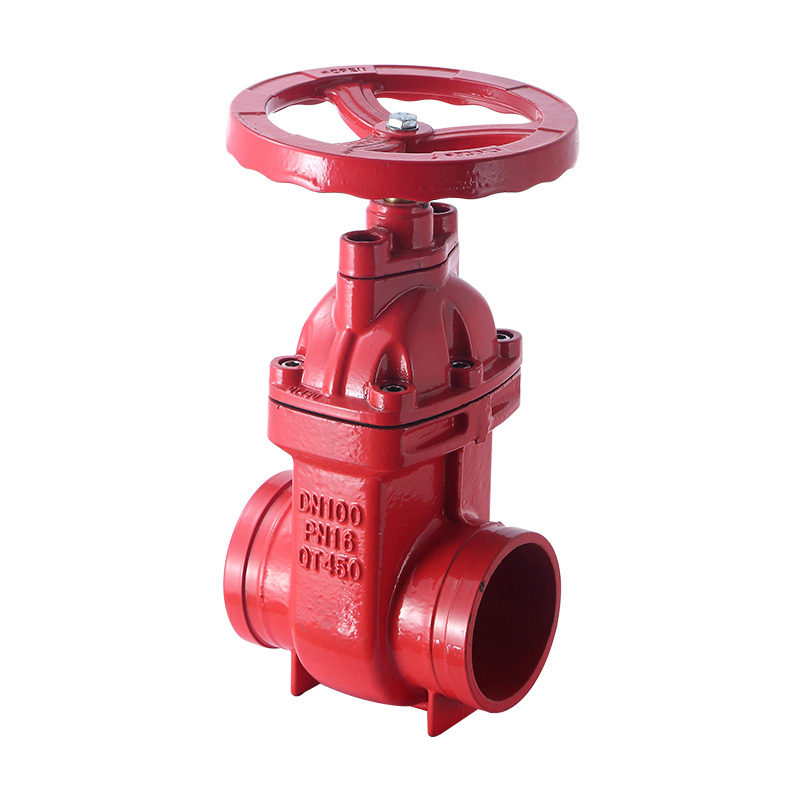
- Manually open the manual ball valve of the deluge valve group and the inlet and outlet valves of the foam proportioner.
- Observe the pipeline network pressure to confirm that the foam mixture is normally delivered to the sprinkler heads.
2. Operation Steps for Manual Foam Monitor/Foam Gun System
Manual systems require on-site personnel operation, and rapid response and accurate aiming are the keys to fire extinguishing. The operation process is as follows:- Preparation Stage:
- Two people operate in coordination: one connects the fire hose to the foam gun/monitor interface to ensure a firm and leak-free connection; the other checks whether the foam concentrate tank valve is open.
- Start the fire water pump, slowly open the water supply valve, and observe the pressure gauge reading to ensure stable working pressure (0.3-0.5MPa).
- Operation Stage:
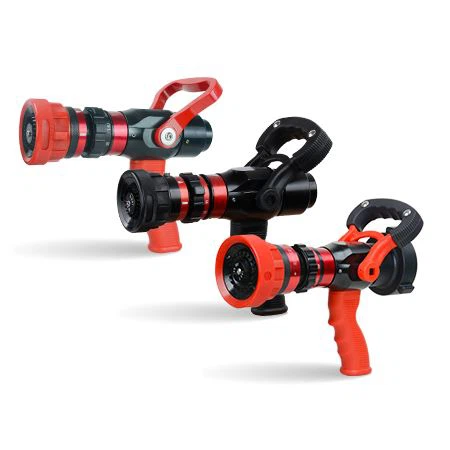
- Hold the foam gun handle or turn the foam monitor adjustment knob to aim the spray port at the base of the fire source (the core of foam fire extinguishing is to cover the fire source, not the top of the flame).
- Slowly open the foam mixture valve. After stable foam spraying, adjust the spray angle to ensure uniform foam coverage of the entire combustion area.
- For flowing fires (such as combustion caused by oil liquid leakage), advance from the edge of the fire source to the center to gradually reduce the combustion range.
- Completion Stage:
- After confirming that the fire source is completely extinguished, first close the foam concentrate valve, and continue supplying water for 1-2 minutes to flush the residual foam concentrate in the pipeline.
- Turn off the fire water pump, disassemble the fire hose, drain the accumulated water in the pipeline, and reset and clean the equipment.
III. On-Site Coordination Points During Fires: Safe Operation and Efficiency Improvement
- Confirmation of Foam Extinguishing Agent Selection
- Oil fires (gasoline, diesel): Use alcohol-resistant foam concentrate or fluoroprotein foam concentrate.
- Polar solvent fires (alcohol, methanol): Alcohol-resistant foam concentrate must be used; ordinary foam concentrate will be damaged by polar solvents and cannot form an effective cover.
- On-site personnel must confirm that the foam concentrate type matches the fire medium. Misuse of foam concentrate leading to fire extinguishing failure is strictly prohibited.
- Safe Operation Precautions
- Operators must wear protective equipment (gas masks, protective gloves, protective clothing) to avoid contact between foam concentrate and skin or respiratory tract.
- Avoid spraying foam directly at personnel to prevent injury from high-pressure mixture.
- When using in enclosed spaces, timely ventilation is required to prevent accumulation of foam concentrate vapor leading to personnel suffocation.
- Coordination with Other Fire Extinguishing Systems
- If the foam system is linked with a water sprinkler system, confirm that the foam system is activated first to avoid the foam layer being scattered by water, which affects the fire extinguishing effect.
- After the fire is extinguished, the water sprinkler system can be used to flush residual foam on-site to reduce environmental pollution.
IV. Post-Use Maintenance and Troubleshooting
The reliability of the foam system depends on daily maintenance. After use, the system must be reset and maintained immediately to avoid fault accumulation.- Core Maintenance Steps After Use
- Closed System:Replace the activated sprinkler heads, conduct a water pressure test on the pipeline network, replenish foam concentrate, and clean residual foam on the sprinkler head surface.
- Open System:Close the deluge valve group, drain the residual mixture in the pipeline network, flush the pipeline, and check whether the sprinkler heads are blocked or damaged.
- Manual System:Clean the spray port of the foam monitor/foam gun, check whether the seals are aging, replenish foam concentrate, and conduct a no-load test run of the fire water pump.
- Common Fault Troubleshooting
- Insufficient foam spray volume:Check whether the foam concentrate tank level is too low, the foam proportioner is blocked, or the fire water pump pressure is insufficient, and troubleshoot one by one.
- Failure to form foam:Confirm whether the foam concentrate is expired or of the wrong type, and check whether the proportioner ratio is correct (usually a foam concentrate to water ratio of 3:97 or 6:94).
- Inability to open system valves:Check whether the valves are rusted or the linkage control panel is powered off. When operating valves manually, apply force slowly to avoid valve damage.
- Daily Maintenance Specifications
- Monthly: Check the foam concentrate level, valve status and pressure gauge reading to ensure the system is in standby condition.
- Semi-annually: Conduct functional tests on the foam proportioner and fire water pump, and replace expired foam concentrate.
- Annually: Entrust a professional organization to conduct a comprehensive linkage test of the system and verify system reliability by simulating fire scenarios.
Core Summary
The core usage logic of fire foam systems is "automatic systems rely on linkage, manual systems rely on operation, and foam types rely on matching". Automatic systems do not require human intervention but need to be properly maintained daily; manual systems require operators to be proficient in processes and aim at the base of the fire source for spraying; regardless of the system type, foam concentrate matching the fire medium must be selected. For enterprise safety management departments and fire operators, regular training and drills are the key to improving the efficiency of foam system use. Only by being familiar with system characteristics and operation specifications can we respond quickly and control fires effectively when a fire occurs.