English
 日本語
日本語 Tiếng Việt
 繁體中文
繁體中文 بالعربية
 Արմենյան
 한국어
한국어 Русский
 Türkçe
 คนไทย
คนไทย nederlands
 Română
 Gaeilgenah Éireann
 Português
 Indonesia
 Polski
 Español
 magyar
 Nederlands
 हिंदी
हिंदी Eesti
Eesti
How to choose a suitable fire foam system for different environments?
Fire Foam System Selection Guide for Different Environments: Choose the Right System by Scenario to Efficiently Extinguish Oil and Flammable Liquid Fires
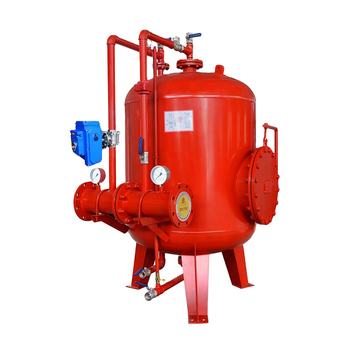
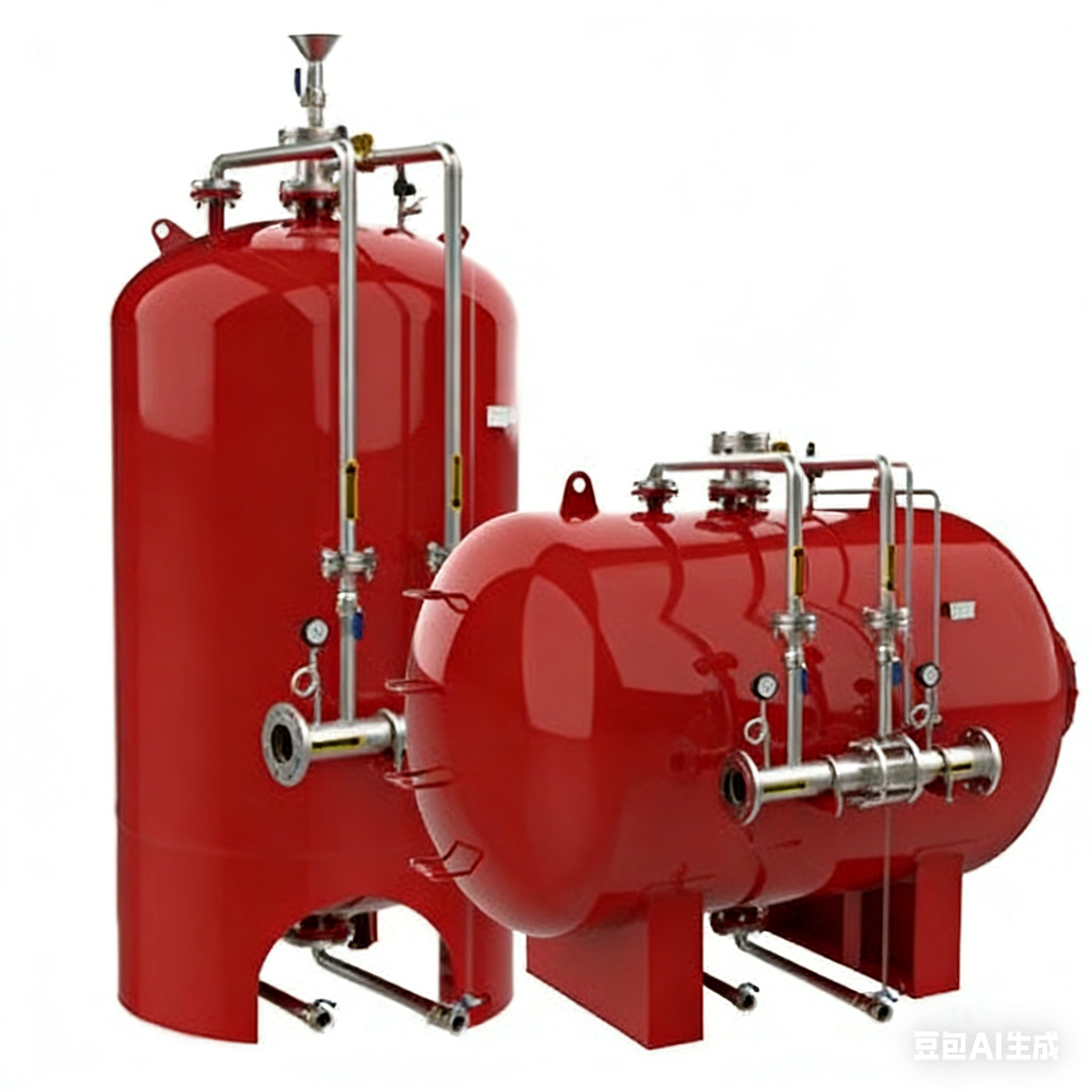
A fire foam system is a special-purpose fire extinguishing device for oil fires, flammable liquid fires and some solid deep-seated fires. Its core fire extinguishing principle is to isolate oxygen and inhibit the combustion chain reaction through a foam layer. Different environments have significant differences in fire medium type, spatial structure, temperature conditions and protection requirements. The selection must follow the three core principles of "medium matching, space adaptation and environmental adaptation". This article comprehensively analyzes the selection standards and adaptation solutions of fire foam systems around three categories of scenarios: industrial storage, commercial catering and special environments.I. Industrial Storage Environment (Oil Depots, Gas Stations, Chemical Plants, Storage Tank Areas)
Environmental Characteristics:Complex fire media (gasoline, diesel, crude oil, polar solvents, etc.), open space or closed storage tanks, high temperature and corrosion risks in some areas, fast fire spread speed and great harm.Core Selection Principle:Prioritize systems with large flow rate and high coverage capacity, and select foam concentrate matching the fire medium type.- Oil Depots/Gas Stations/Crude Oil Storage Tank Areas
- Fire Medium:Water-insoluble oils (gasoline, diesel, crude oil)
- System Type:
- Large storage tank areas: Select open foam deluge system with large-flow open sprinklers and fixed foam monitors to achieve large-area, full-coverage spraying.
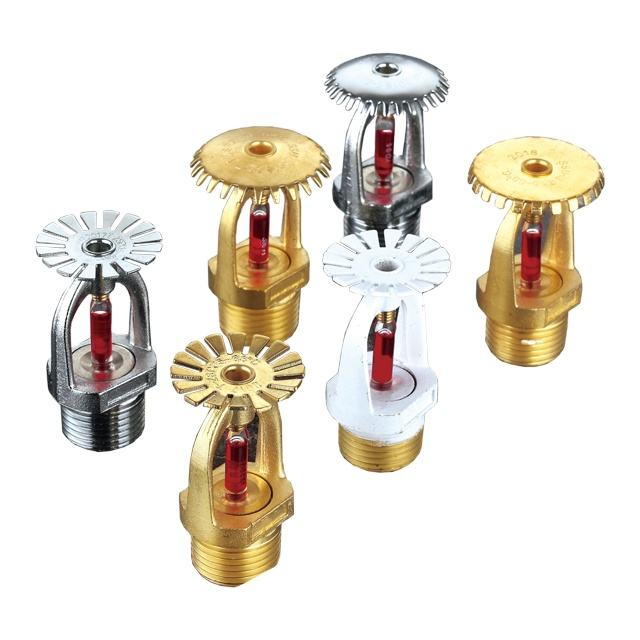
- Gas station oil unloading areas and oil depot pump rooms: Select closed foam-water sprinkler system, which has both automatic activation and water sprinkler cooling functions, suitable for small space protection.
- Foam Concentrate Selection:Aqueous Film-Forming Foam (AFFF) or fluoroprotein foam concentrate. AFFF has fast fire extinguishing speed, while fluoroprotein foam concentrate has strong anti-burn performance. The selection can be based on the tank type.
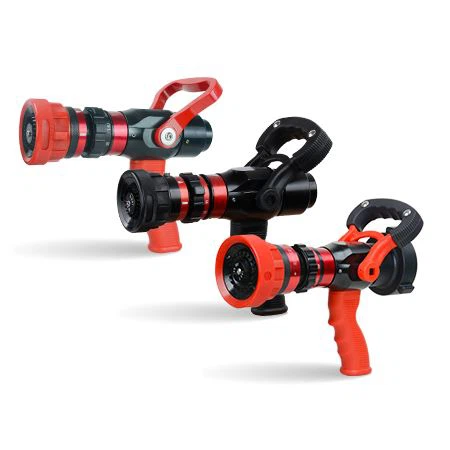
- Injection Device:Combination of fixed foam monitors and mobile foam guns to meet the needs of long-distance fire control and local supplementary spraying.
- Chemical Plants/Polar Solvent Storage Tank Areas
- Fire Medium:Water-soluble polar solvents (methanol, ethanol, acetone, ethyl acetate)
- System Type:Open foam spray system with fine water mist sprinklers. The small foam particle size and uniform coverage can quickly penetrate into the solvent combustion area.
- Foam Concentrate Selection:Alcohol-resistant foam concentrate (such as alcohol-resistant AFFF, alcohol-resistant fluoroprotein foam concentrate) must be used. Ordinary foam concentrate will be dissolved by polar solvents and cannot form an effective foam layer.
- Special Adaptation:Stainless steel pipelines and injection devices should be used in corrosive environments to prevent equipment rust and failure.
II. Commercial Catering and Civil Industrial Environment (Kitchens, Transformer Rooms, Small Oil Depots)
Environmental Characteristics:Narrow space, single fire medium (kitchen edible oil, transformer oil), dense personnel, low requirement for water damage after fire extinguishing, but high requirement for system response speed.Core Selection Principle:Prioritize miniaturized and automated systems, balancing fire extinguishing efficiency and installation convenience.- Commercial Kitchens/Canteen Kitchen Backs
- Fire Medium:High-temperature edible oil (animal oil, vegetable oil)
- System Type:Kitchen-specific closed foam sprinkler system with closed sprinklers whose thermal elements have an activation temperature of 93℃, adapting to the high-temperature environment of the kitchen and avoiding false activation.
- Foam Concentrate Selection:Alcohol-resistant foam concentrate, which can effectively cover the surface of high-temperature edible oil and prevent re-ignition.
- Injection Device:Combination of concealed sprinklers and local foam guns. Sprinklers are installed above the cooking stoves without affecting kitchen operations, and foam guns are used to assist in extinguishing local residual fires.
- Transformer Rooms/Small Lubricating Oil Depots
- Fire Medium:Transformer oil, lubricating oil (water-insoluble oils)
- System Type:Closed foam-water sprinkler system. After automatic activation, it first sprays foam to extinguish the fire, and then sprays water to cool, preventing high-temperature re-ignition of equipment.
- Foam Concentrate Selection:Fluoroprotein foam concentrate with good anti-burn performance, suitable for high-temperature equipment protection.
- Special Adaptation:The system must have electrical insulation performance to avoid equipment short circuit caused by water spraying.
III. Special Environments (High and Low Temperature Environments, Outdoor Open Environments, Enclosed Spaces)
Special environments have harsh working conditions, and special customized systems are required to meet special requirements such as high temperature resistance, low temperature resistance and anti-interference.- Low-Temperature Environments (Northern Winters, Cold Storage, Polar Projects)
- Environmental Characteristics:Temperature below 0℃, which is easy to cause pipeline freezing and foam concentrate solidification.
- System Type:Heat-traced closed foam-water sprinkler system or anti-freeze open foam system.
- Key Adaptation:
- The pipeline is equipped with electric heat tracing devices or antifreeze is added to prevent freezing and blockage.
- Low-temperature foam concentrate is selected, whose freezing point is lower than the minimum ambient temperature (such as -20℃, -30℃).
- Cold-resistant materials are used for valves and injection devices, and low-temperature resistant rubber is used for seals.
- High-Temperature Environments (Boiler Rooms, Steel Mills, Glass Factories)
- Environmental Characteristics:Normal working temperature exceeds 40℃, and some areas can reach 80℃, which is easy to cause foam concentrate deterioration and sprinkler false activation.
- System Type:Open foam deluge system with special sprinklers for high-temperature environments (activation temperature ≥141℃).
- Key Adaptation:
- Foam concentrate is stored in a cool and ventilated place with a cooling device to prevent high-temperature deterioration.
- High-temperature resistant materials are used for pipelines, and heat insulation protective covers are installed on sprinklers to avoid false activation caused by thermal radiation.
- Outdoor Open Environments (Open Yards, Port Terminals)
- Environmental Characteristics:Open space, great wind influence, fast fire spread, high requirements for foam range and coverage area.
- System Type:Combination of fixed foam monitor system and mobile foam gun system.
- Key Adaptation:
- Large-range foam monitors (range ≥30m) are selected to adapt to outdoor long-distance fire control.
- High-stability foam concentrate is selected, which has strong wind resistance and is not easy to be scattered by wind.
- The equipment is equipped with sun protection and rain protection devices to extend service life.
- Enclosed Spaces (Underground Oil Depots, Ship Cabins, Chemical Workshops)
- Environmental Characteristics:Narrow space, poor ventilation, easy accumulation of smoke and foam vapor after fire, high requirements for personnel evacuation.
- System Type:Closed foam-water sprinkler system with small-flow sprinklers to achieve precise fire extinguishing.
- Key Adaptation:
- The system is linked with the ventilation system, which automatically turns on the ventilation equipment during fire extinguishing to discharge toxic vapor.
- Low-toxicity foam concentrate is selected to reduce harm to personnel.
- A manual emergency stop device is equipped to prevent personnel from being trapped due to system false activation.
IV. Summary of Core Selection Principles
- Medium Matching Principle:AFFF or fluoroprotein foam concentrate for water-insoluble oil fires; alcohol-resistant foam concentrate must be used for water-soluble polar solvent fires; special alcohol-resistant foam concentrate for kitchen edible oil fires.
- Space Adaptation Principle:Open foam deluge system + foam monitor for open spaces (tank areas, open yards); closed foam-water sprinkler system for narrow spaces (kitchens, transformer rooms); small-flow closed system for enclosed spaces.
- Environmental Adaptation Principle:Heat-traced system + low-temperature foam concentrate for low-temperature environments; open system + high-temperature sprinklers for high-temperature environments; large-range foam monitor + high-stability foam concentrate for outdoor environments.
- Compliance Principle:All systems and foam concentrates must pass the national fire product quality certification and meet the requirements of the Code for Design of Foam Fire Extinguishing Systems (GB50151).
V. Notes
- During selection, professional fire engineers are required to conduct on-site surveys and determine the system type and parameters based on the results of fire risk assessment.
- The validity period of foam concentrate is usually 2-5 years, and regular inspection and replacement are required to avoid fire extinguishing failure due to expiration.
- Automatic systems need to undergo regular linkage tests, and operators of manual systems need to receive professional training to ensure correct operation in emergencies.
Core Summary
The selection of fire foam systems must be "adjusted to local conditions and different media". Industrial storage scenarios focus on large flow rate and medium matching, commercial catering scenarios focus on miniaturization and automation, and special environment scenarios focus on customization and environmental adaptability. Whether it is a fire engineering design unit, construction enterprise or enterprise safety management department, the selection principles must be strictly followed, and suitable systems and foam concentrates must be selected in combination with on-site actual conditions. Only by choosing the right system can the fire foam system truly play the role of "rapid fire control and efficient fire extinguishing" and minimize the loss of oil and flammable liquid fires.