English
 日本語
日本語 Tiếng Việt
 繁體中文
繁體中文 بالعربية
 Արմենյան
 한국어
한국어 Русский
 Türkçe
 คนไทย
คนไทย nederlands
 Română
 Gaeilgenah Éireann
 Português
 Indonesia
 Polski
 Español
 magyar
 Nederlands
 हिंदी
हिंदी Eesti
Eesti
What should be noted before using a fire foam system?
Must-Check Before Using Fire Foam Systems: 8 Core Points to Eliminate Fire Extinguishing Failure Risks for Oil Fires
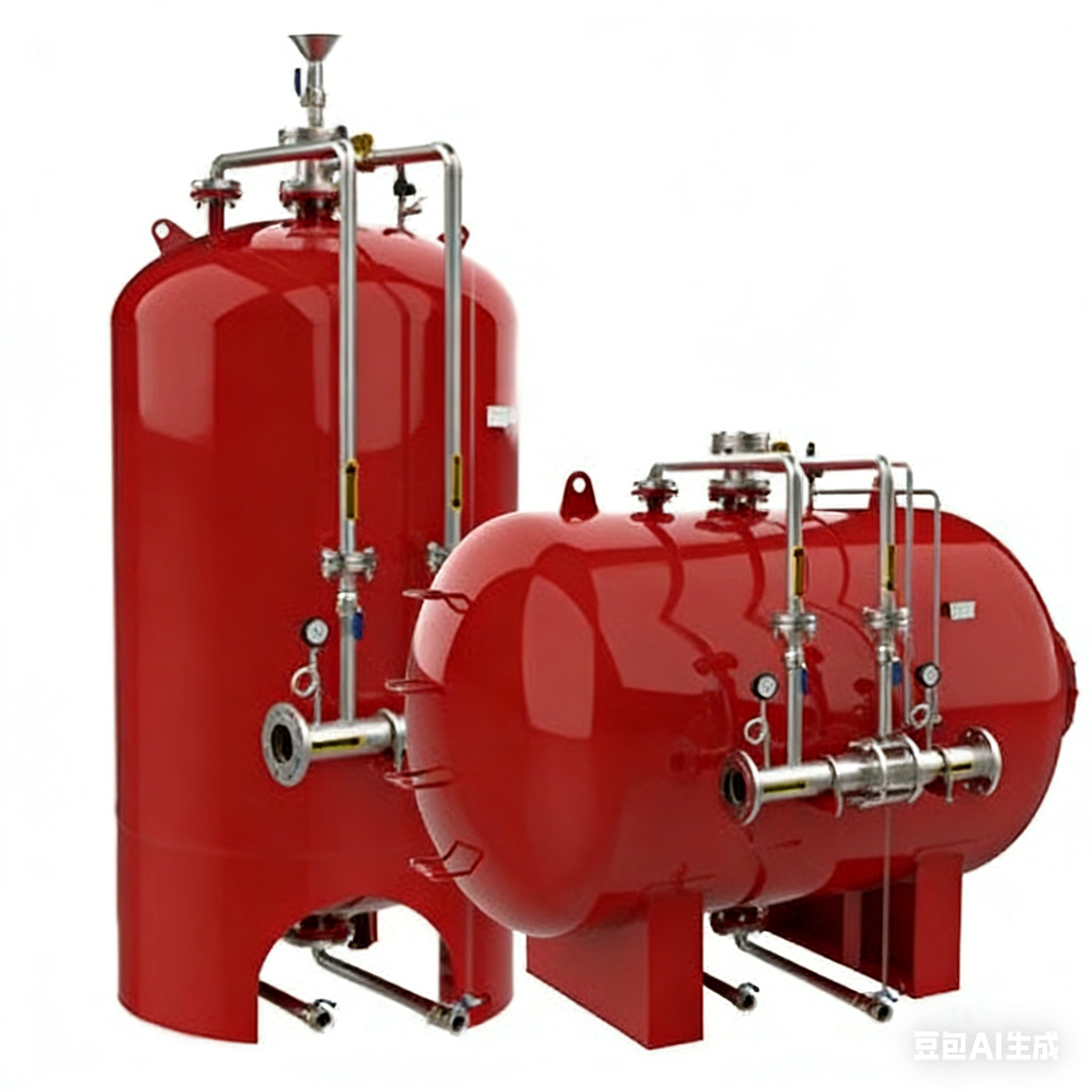
A fire foam system is a special-purpose fire extinguishing device for oil and flammable liquid fires. Its use effect directly depends on system status confirmation and extinguishing agent matching verification before use. Due to the complex structure of the system (involving foam concentrate tanks, proportioners, pipelines, sprinklers/monitors, etc.) and the significant impact of extinguishing agent type on fire extinguishing efficiency, a comprehensive inspection process must be strictly implemented before use. This article sorts out 8 core precautions around four dimensions: extinguishing agent, system components, linkage function, and environmental adaptability to ensure that the system can respond quickly and control fires effectively in the event of a fire.I. Core Inspection of Foam Extinguishing Agent: Type Matching + Validity Verification
Foam extinguishing agent is the "core ammunition" of the system. Inspection before use directly determines the success or failure of fire extinguishing, and two key points need to be focused on:- Matching of Extinguishing Agent Type and Fire Medium
- Confirm that the foam concentrate type is fully consistent with the fire medium in the protected area: Fluoroprotein foam concentrate or Aqueous Film-Forming Foam (AFFF) can be used for oil fires (gasoline, diesel); Alcohol-resistant foam concentrate must be used for polar solvent fires (alcohol, methanol, acetone); Synthetic foam concentrate can be used for general scenarios.
- Strictly prohibit the misuse of extinguishing agents: For example, using ordinary foam concentrate to fight polar solvent fires will cause the foam layer to be damaged by the solvent, failing to form a covering layer and leading to fire extinguishing failure.
- Inspection of Extinguishing Agent Validity Period and Storage Status
- Check the production date and validity period mark on the foam concentrate tank. The validity period of most foam concentrates is 2-5 years. Foam concentrate exceeding the validity period must be replaced immediately and is strictly prohibited from use.
- Inspect the appearance of the foam concentrate: AFFF should be clear and transparent, fluoroprotein foam concentrate should be uniformly milky white without stratification, precipitation, or discoloration; turbidity or stratification indicates that the foam concentrate has deteriorated and needs to be scrapped.
- Confirm the storage conditions of the foam concentrate: The foam concentrate should be hermetically stored in a cool, dry, and ventilated environment, avoiding direct sunlight and high-temperature environments (temperature should be controlled between 5-40℃) to prevent deterioration.
II. Inspection of System Component Integrity and Status
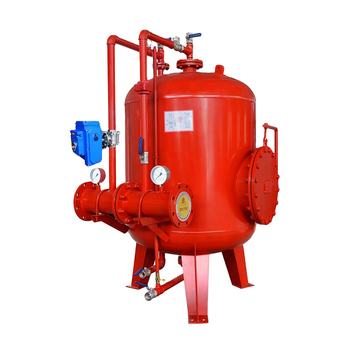
The status of pipelines, valves, proportioners and other components of the fire foam system directly affects the delivery and injection effect of the foam mixture, and must be inspected item by item:- Valve Status Confirmation
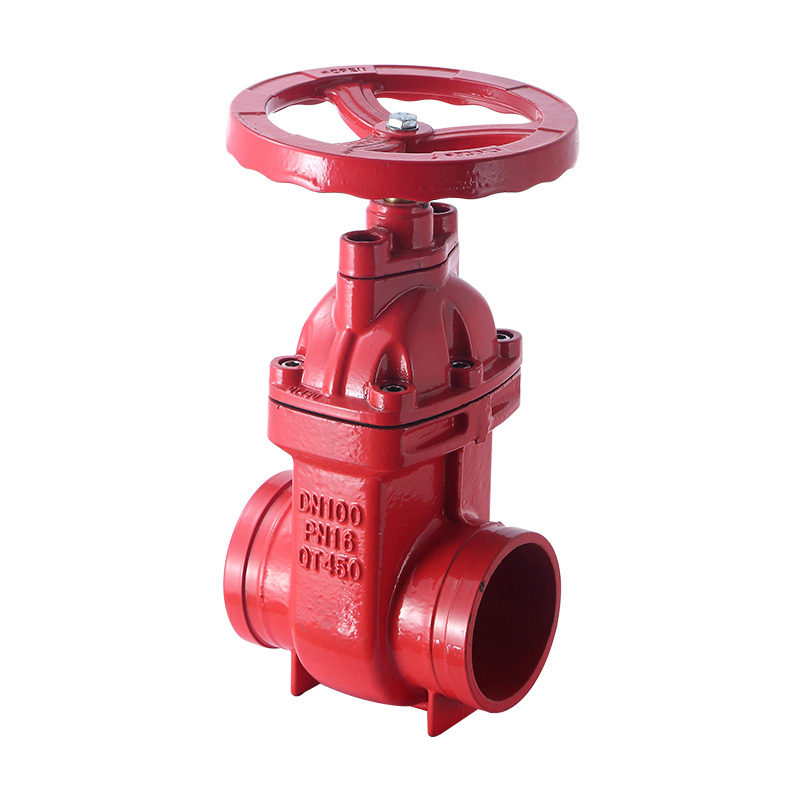
- The system main valve, zone control valve, and foam concentrate tank outlet valve should be in the normally open state and marked with "Normally Open"; the control valve of the deluge valve group should be set to the corresponding state according to the system type (automatic/manual).
- Inspect the valve sealing performance: No water seepage or liquid leakage, the valve stem rotates flexibly without jamming; manual valves need to be lubricated to ensure quick operation in emergencies.
- Pipeline and Connector Inspection
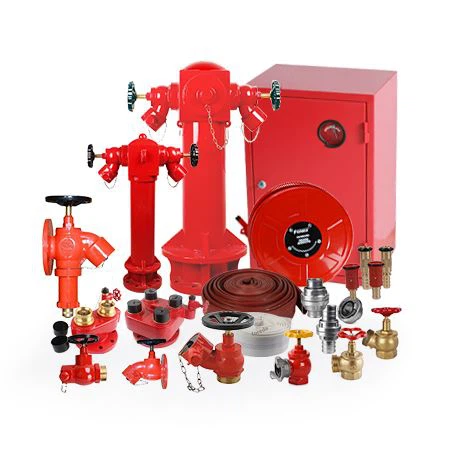
- Check for cracks, rust, or deformation in the pipeline, the gasket at the flange connection is intact without loosening; the hose interface of the manual foam monitor/foam gun should be free of damage and firmly connected.
- Confirm that the pipeline pressure is normal: The working pressure of the closed foam system pipeline should be maintained at 0.2-0.6MPa, the open system pipeline should be in a pressure-free standby state, and the fire water pump can quickly build pressure after startup.
- Function Inspection of Foam Proportioner
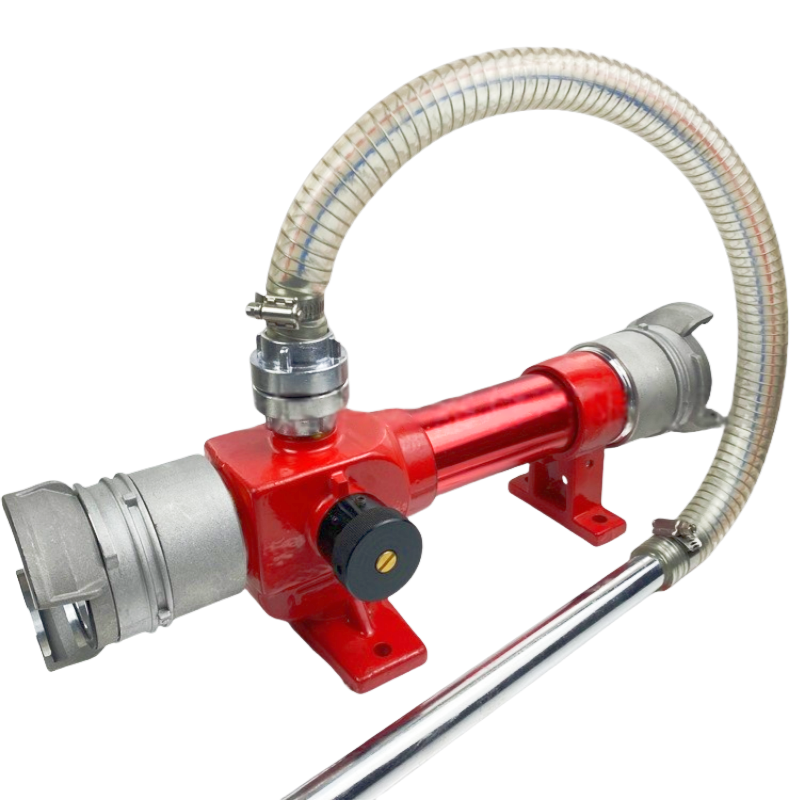
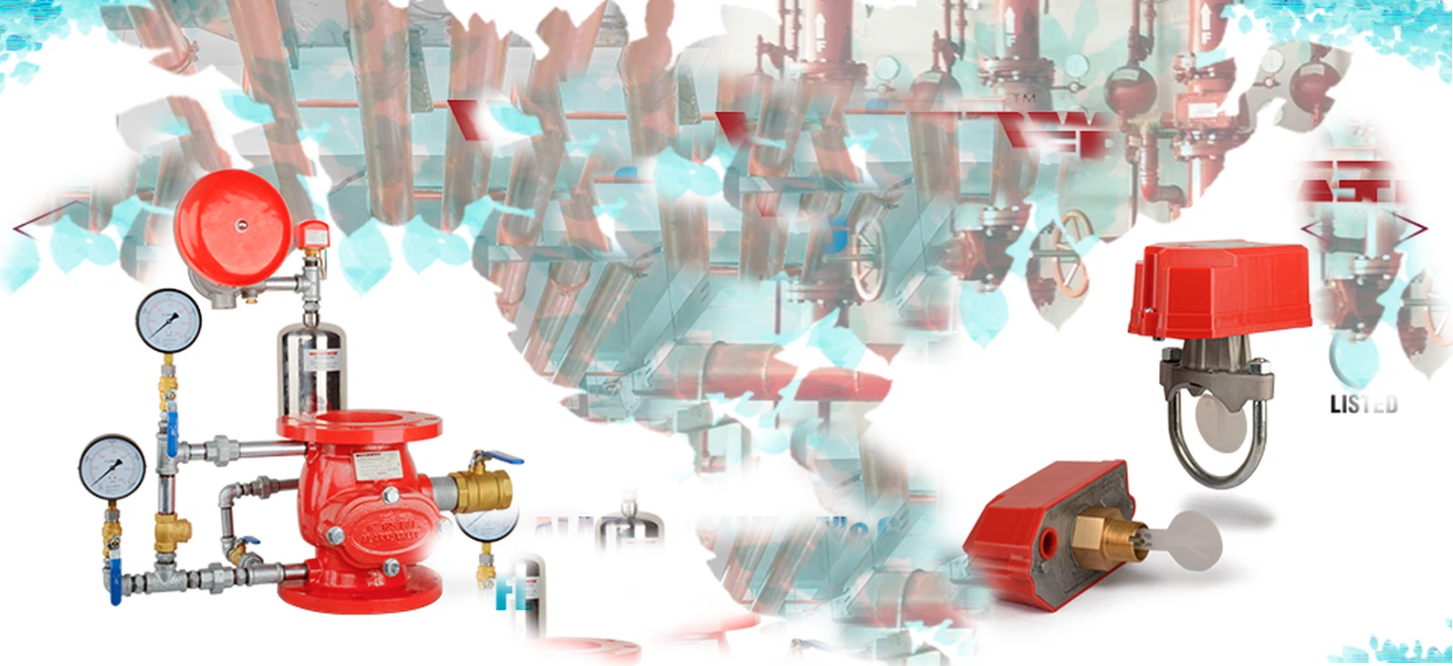
- The foam proportioner is a key component to ensure the proportional mixing of foam concentrate and water. It is necessary to confirm that its inlet and outlet valves are open, and there is no blockage or rust inside.
- For pressure-type proportioners, check that the capsule is intact without leakage; for balanced-type proportioners, confirm that the differential pressure control device is sensitive and reliable.
III. Functional Linkage Test of Automatic/Manual Systems
According to the system type (automatic closed foam system, automatic open foam system, manual foam monitor/gun system), conduct functional tests respectively to ensure normal system response:- Automatic Closed Foam-Water Sprinkler System
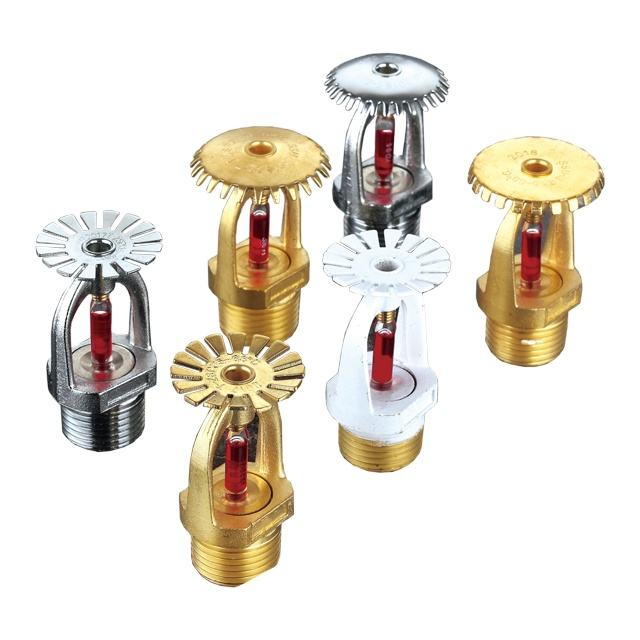
- Inspect that the thermal elements (glass bulbs/fusible alloys) of the closed sprinklers are intact without cracks or paint coverage, and the activation temperature matches the environment of the protected area (e.g., 93℃ sprinklers for kitchens, 68℃ sprinklers for ordinary areas).
- Conduct a system linkage simulation test: Trigger the heat detector to confirm that the sprinkler can start normally, the foam proportioner works synchronously, and the foam mixture can be uniformly sprayed through the sprinkler.
- Automatic Open Foam Spray/Deluge System
- Inspect that the power supply of the fire detection system (smoke/heat detector) is normal and in automatic working mode; the signal transmission of the linkage control panel is normal.
- Simulate a fire alarm: Trigger the detector to confirm that the deluge valve group can open automatically and the open sprinklers can spray the foam mixture over a large area; at the same time, test the manual opening function to ensure manual startup in case of automatic system failure.
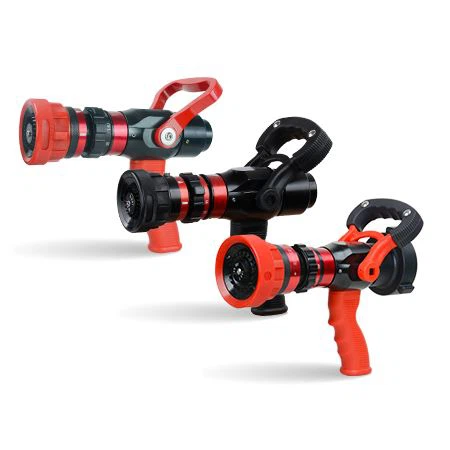
- Manual Foam Monitor/Foam Gun System
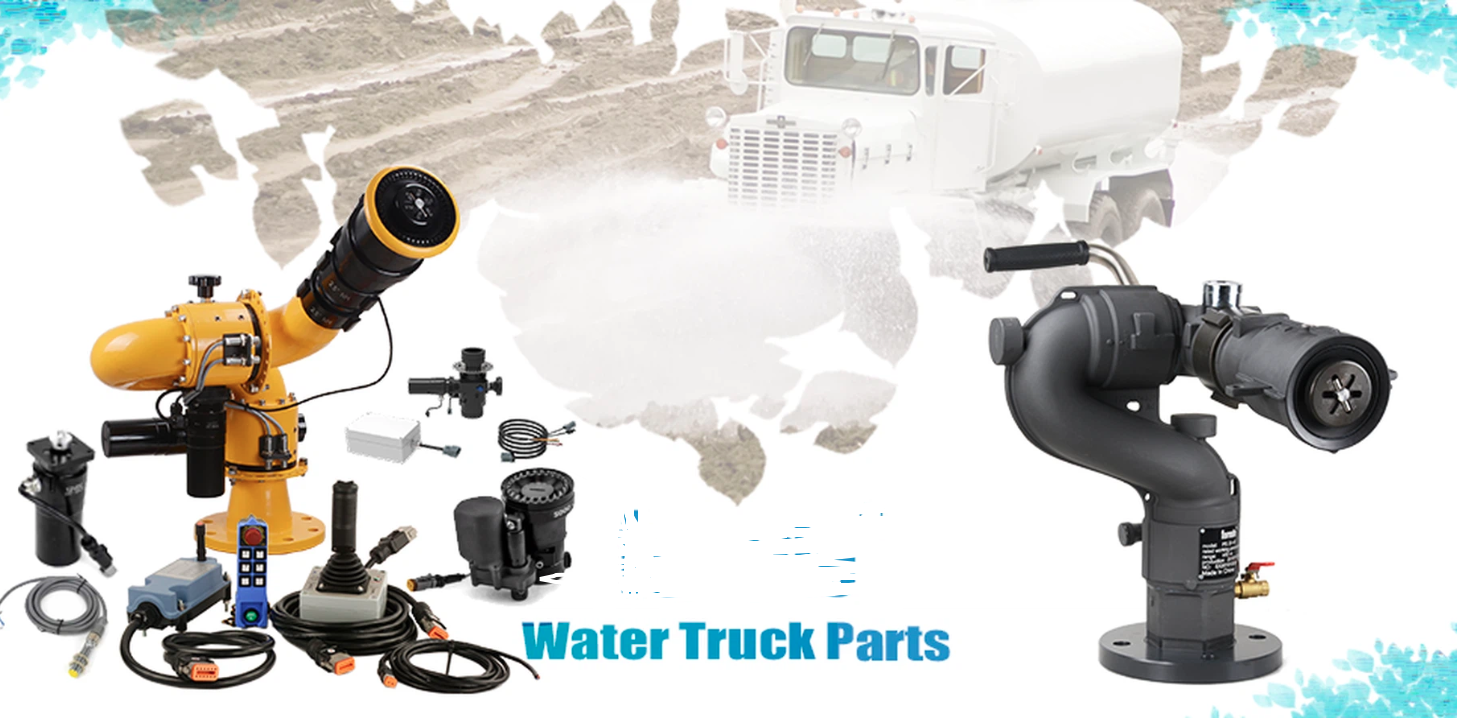
- Inspect that the fire water pump runs normally under no-load condition without abnormal noise; the rotation and pitching mechanism of the foam monitor is flexible, and the injection port is unobstructed.
- Conduct a test injection: Start the water pump, open the valve, confirm that the foam can be sprayed stably, the mixing ratio meets the requirements (usually 3% or 6%), and the injection range and coverage area meet the standards.
IV. Inspection of Environmental Adaptability and Safety Protection
Before use, it is necessary to confirm that the system matches the environmental conditions of the protected area and make safety protection preparations for the operators:- Inspection of Environmental Condition Adaptability
- There are no obstacles blocking the injection path of the sprinkler or foam monitor in the protected area to ensure that the foam can uniformly cover the fire source area.
- For low-temperature environments (temperature below 0℃), check whether the system is equipped with a heating device or antifreeze to prevent pipeline freezing and blockage; for high-temperature environments, confirm that the storage temperature of the foam concentrate does not exceed the upper limit.
- For outdoor systems, check that the sun protection and rain protection facilities are intact, and the foam concentrate tank is free of deformation or leakage.
- Safety Protection Preparation for Operators
- Confirm that complete protective equipment is available on-site: Gas masks, protective gloves, protective clothing, goggles, etc., to avoid contact between foam concentrate and skin or respiratory tract.
- Operators must be familiar with the system operation process and master the core skills of foam injection (such as aiming at the base of the fire source, advancing from the edge to the center for flowing fires, etc.).
- First-aid kits and flushing equipment should be available on-site. If foam concentrate comes into contact with the skin, it should be rinsed with clean water immediately.
V. Summary of Core Precautions
- The type matching and validity period of the foam extinguishing agent are the top priorities. Misuse or expired foam concentrate will directly lead to fire extinguishing failure.
- All valves of the system must be in the correct working state. Normally open valves must not be closed, and normally closed valves must not be opened to avoid affecting system response.
- Automatic systems must undergo linkage tests to ensure no faults in the detection, linkage, and injection links; manual systems need to undergo test injections to verify injection performance.
- Operators must be certified to work, familiar with system characteristics and safety protection requirements to avoid operational errors or personal injury.