English
 日本語
日本語 Tiếng Việt
 繁體中文
繁體中文 بالعربية
 Արմենյան
 한국어
한국어 Русский
 Türkçe
 คนไทย
คนไทย nederlands
 Română
 Gaeilgenah Éireann
 Português
 Indonesia
 Polski
 Español
 magyar
 Nederlands
 हिंदी
हिंदी Eesti
Eesti
How to use fire valves and fire protection systems?
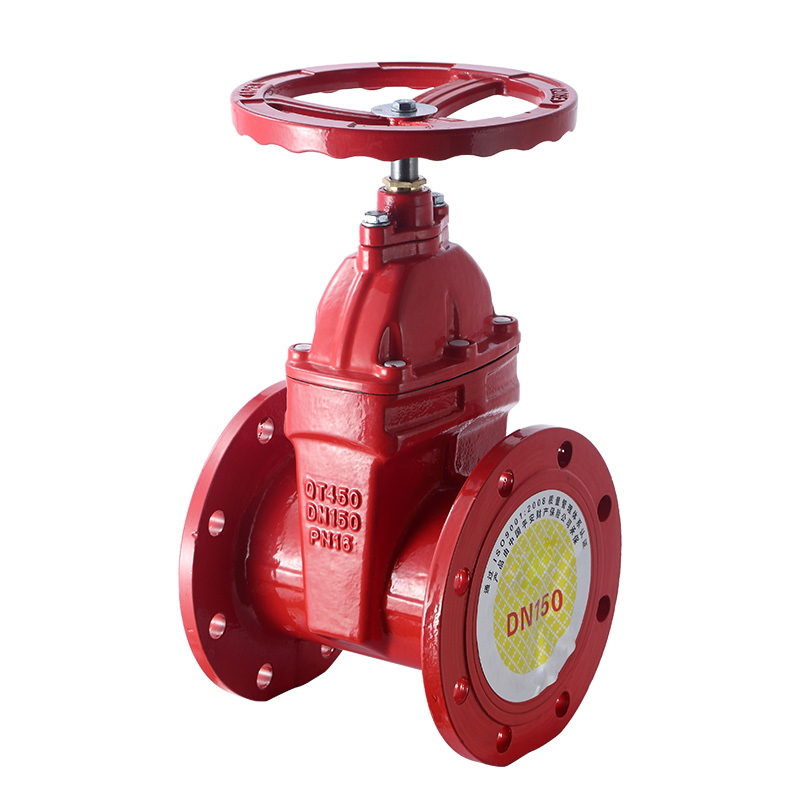
How to use fire valves and fire protection systems?
Complete Guide to Fire Valves and Systems Operation_Practical Manual for Valve Handling and System Linkage
This article focuses on the core operation methods of fire valves (gate valves, butterfly valves, check valves, etc.) and supporting systems (water sprinklers, fire hydrants, foam systems). It includes manual/electric valve opening and closing specifications, automatic/manual system linkage processes, on-site operation points during fires, and daily maintenance skills, applicable to the operation and management of industrial and civil fire protection scenarios.
Practical Guide to Fire Valves and Systems Operation: Correct Valve Handling + Efficient System Linkage, Protect Fire Safety
Fire valves are the "control center" of fire protection systems, responsible for the on-off of pipeline water flow, pressure regulation, and direction control; fire protection systems (water sprinklers, fire hydrants, foam systems, etc.) are the core execution units for fire fighting. The coordinated operation of the two directly determines fire extinguishing efficiency, and their use must follow the core principles of "reliable daily status, rapid fire response, and unified operation specifications". This article comprehensively explains the operation methods of fire valves and systems from four dimensions: classified operation of core valves, linkage process of common systems, on-site operation coordination during fires, and post-use reset and maintenance, covering all scenarios including industry, civil use, and commerce.I. Classification and Standardized Operation of Core Fire Valves
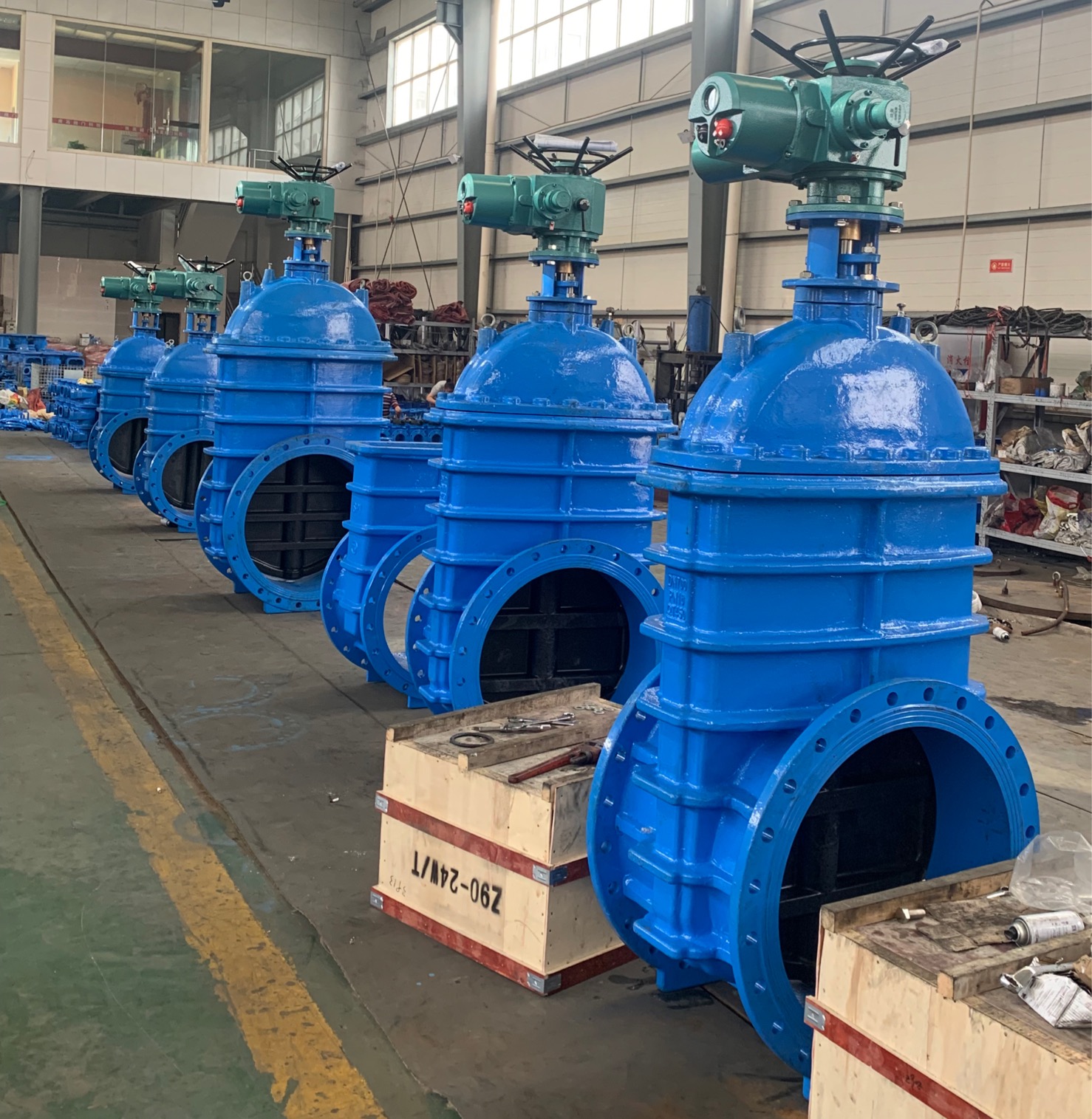
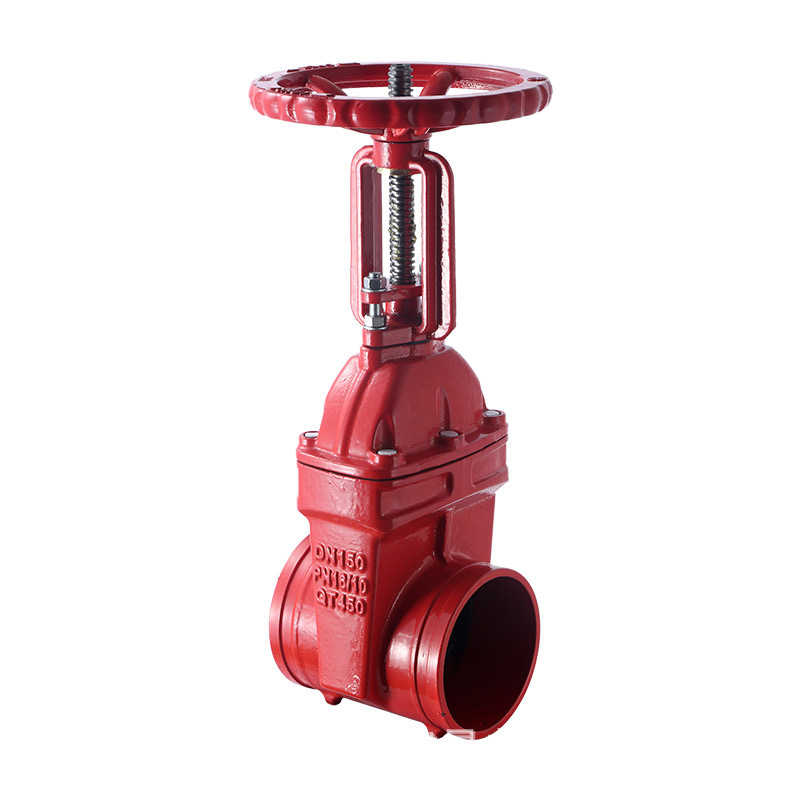
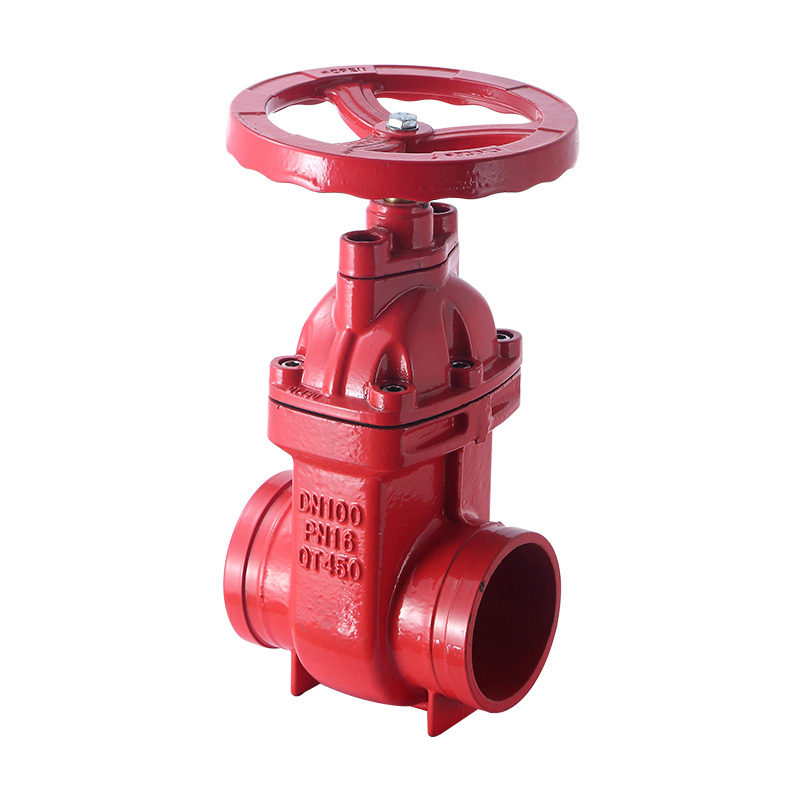
Fire valves can be divided into four categories according to their functions: on-off valves (gate valves, butterfly valves), check valves, signal valves, and pressure reducing valves. The operation methods, application scenarios, and core taboos of different valves are strictly corresponding, and illegal operation is strictly prohibited.- On-Off Valves (Gate Valves, Butterfly Valves) — Core Control of System On-Off
- Applicable Scenarios:Key positions such as fire pump outlets, pipeline zone nodes, fire hydrant risers, and foam system tank outlets, used to control the on-off of water flow/foam mixture.
- Operation Specifications:
- Manual Type:Clockwise rotation of the gate valve handwheel for closing, counterclockwise for opening; butterfly valve handle parallel to the pipeline for opening, perpendicular for closing. Operate at a constant speed to avoid valve stem damage due to excessive force.
- Electric Type:Remote operation through the "On/Off" buttons on the control box or fire linkage control panel; for manual emergency operation, cut off the power supply first, switch the toggle handle to "Manual" mode, and then rotate the handwheel.
- Core Taboos:
- Must be kept in normally open state in daily use, marked with "Normally Open", and the handwheel/handle must be equipped with a protective cover to prevent misoperation.
- Can only be closed during system maintenance or pipeline inspection. After closing, mark with "Under Maintenance, No Opening", arrange special personnel on duty, and restore to normally open state immediately after maintenance.
- Check Valves — Automatic Devices to Prevent Water Flow Backflow
- Applicable Scenarios:Fire pump outlets, branch points of sprinkler system pipelines, and inlet/outlet of foam proportioners, used to prevent water flow backflow that may cause pump idling, abnormal pipeline pressure, or foam concentrate backflow.
- Operation Specifications:Fully automatic without human intervention, realized by water flow pressure difference, and the water flow direction is consistent with the arrow mark on the valve body.
- Core Taboos:
- Reverse installation is strictly prohibited, otherwise the system cannot supply water/foam normally.
- Daily inspection for no jamming or leakage to ensure rapid response in case of fire and one-way medium delivery.
- Signal Valves — Intelligent Valves for Real-Time Status Monitoring
- Applicable Scenarios:Pipeline zones of automatic water sprinkler systems and foam systems, connected to the fire control room linkage control panel to feedback valve opening and closing status in real time.
- Operation Specifications:
- Manual operation is the same as ordinary gate/butterfly valves, and the opening/closing action will automatically send an electrical signal to the control room.
- Electric signal valves can be operated remotely, and status signals are fed back synchronously, allowing the control room to monitor valve status in real time.
- Core Taboos:
- Random closing is strictly prohibited. If closing is necessary, notify the fire control room in advance, keep written records, and reset in a timely manner after operation.
- Regularly test the signal transmission function to ensure consistency between the actual valve status and the control room display.
- Pressure Reducing Valves — Stable Regulators of Pipeline Pressure
- Applicable Scenarios:Fire pipelines of high-rise buildings, pipeline zones with excessive pressure, and pressure stabilization sections of foam systems, used to adjust pipeline pressure to the rated working range (e.g., 0.15-0.3MPa for sprinkler systems, 0.3-0.5MPa for fire hydrant systems).
- Operation Specifications:
- Manual Pressure Reducing Valves:Slowly rotate the adjusting screw, observe the outlet pressure gauge until the pressure reaches the set value, and lock the screw after adjustment.
- Automatic Pressure Reducing Valves:No manual adjustment required, automatically stabilize pressure through internal spring or piston structures.
- Core Taboos:
- Daily inspection for stable outlet pressure, no overpressure or underpressure, to avoid pipeline damage due to excessive pressure or reduced fire extinguishing efficiency due to insufficient pressure.
- Regularly clean the built-in filter screen to prevent pressure regulation failure caused by impurity blockage.
II. Linkage Operation Process of Common Fire Protection Systems
Fire protection systems are divided into automatic linkage systems (water sprinklers, closed foam-water sprinklers) and manual operation systems (fire hydrants, manual foam guns). During use, combined with valve status, strictly follow the linkage logic to ensure rapid response.- Automatic Sprinkler Fire Extinguishing System (Including Closed Foam-Water Sprinkler System)
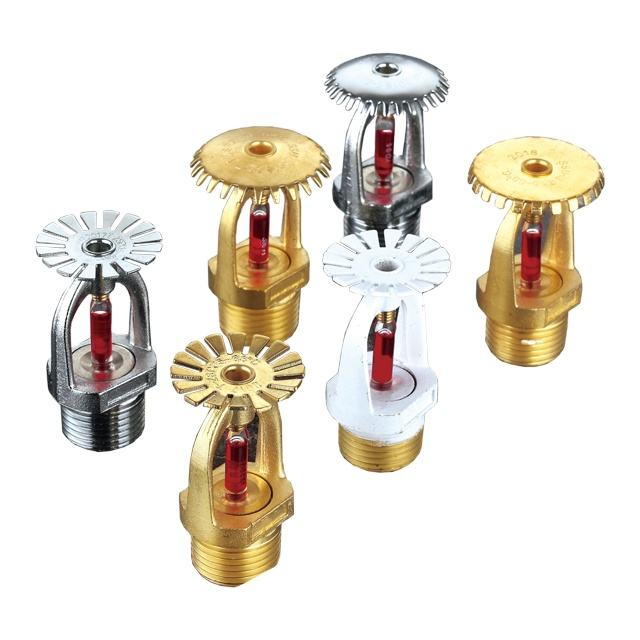
- Core Components:Closed sprinklers, signal valves, pipelines, pressure switches, fire pumps, linkage control panels.
- Operation Process:
- Daily Standby State:Signal valves are normally open, pipelines maintain rated pressure, and pumps are in automatic inspection state.
- Automatic Fire Activation:Ambient temperature reaches sprinkler activation temperature → sprinkler ruptures and sprays water → pipeline pressure drops → pressure switch activates → linkage control panel automatically starts the fire pump → water is continuously delivered to sprinklers to extinguish the fire (the foam system starts the proportioner synchronously to deliver foam mixture).
- Manual Intervention (When Automatic System Fails):Immediately go to the fire pump room → manually open the pump outlet valve and fire pump → confirm that the signal valve is in normally open state → strictly prohibit manual damage to sprinklers and wait for professional personnel to handle.
- Fire Hydrant System (Indoor/Outdoor)
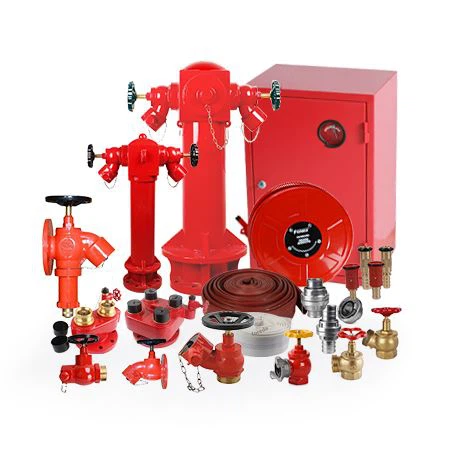
- Core Components:Fire hydrant cabinet, hose, water gun, fire hydrant valve, pipelines, fire pump.
- Operation Process (Pure Manual Operation):
- Opening Preparation:Open the fire hydrant cabinet, take out the hose and water gun, firmly connect one end of the hose to the fire hydrant interface, and the other end to the water gun.
- Valve Operation:Slowly rotate the fire hydrant valve handwheel counterclockwise, strictly prohibit rapid full opening (to prevent hose burst due to water pressure impact).
- Fire Extinguishing Operation:Hold the water gun, aim at the base of the fire source, press the water gun switch to spray water for fire extinguishing; if water pressure is insufficient, notify the control room to start the fire pump.
- Reset After Use:Close the fire hydrant valve → drain water from the hose → fold and reset the hose and water gun in the cabinet → check that the pipeline pressure returns to normal.
- Fire Foam System (Open/Manual)
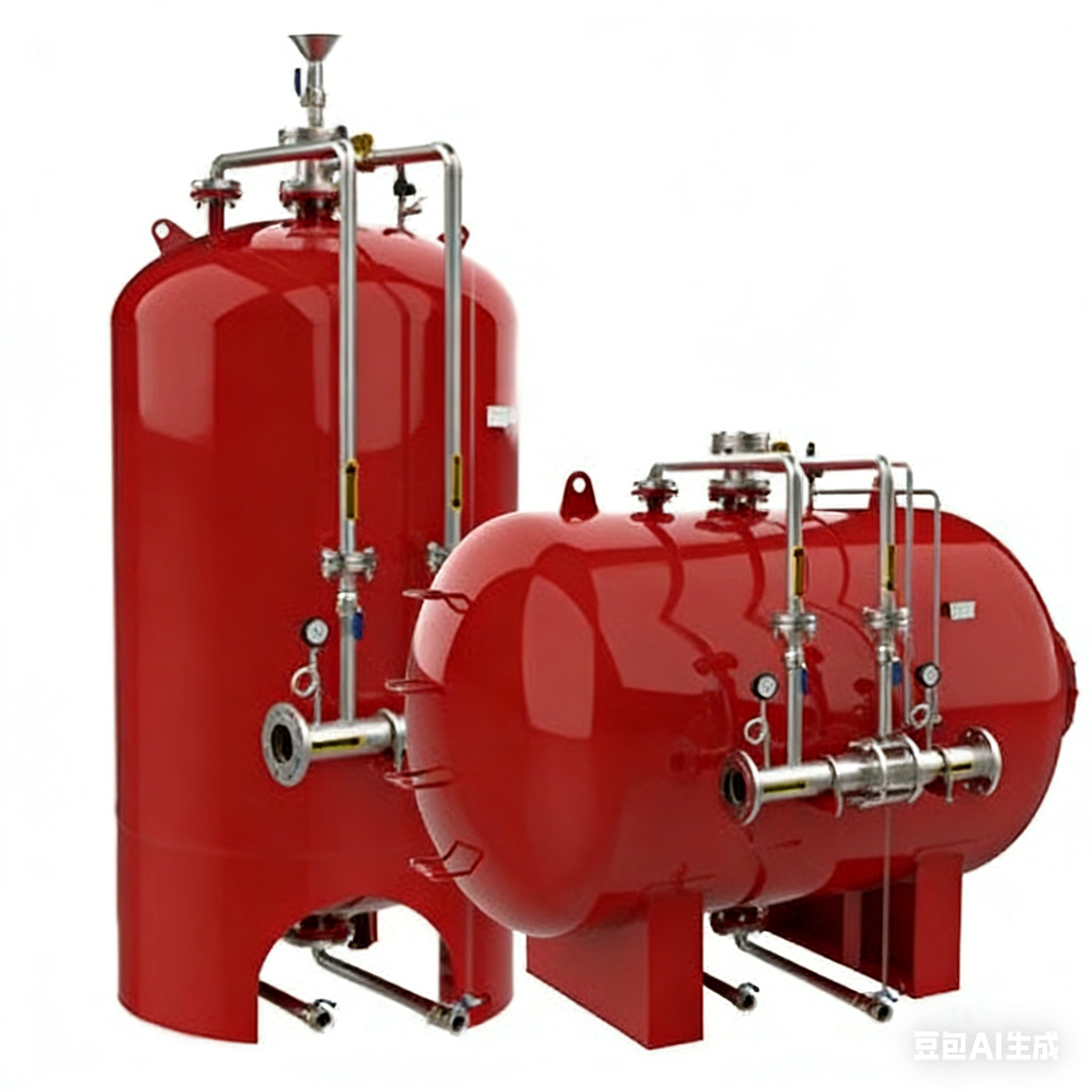
- Core Components:Foam concentrate tank, proportioner, foam valve, foam monitor/gun, linkage control panel.
- Operation Process:
- Automatic Open Foam System:Fire detector alarms → linkage control panel opens the deluge valve and foam valve → starts the fire pump → foam concentrate is mixed with water in proportion → large-area spraying through open sprinklers/foam monitors.
- Manual Foam Gun System:Connect the hose to the foam gun → open the foam concentrate tank outlet valve → start the pump → slowly open the foam gun valve and aim at the base of the fire source to spray foam → after fire extinguishing, close the foam concentrate valve first, then supply water for 1-2 minutes to flush the pipeline.
III. On-Site Operation Coordination Points During Fires
During a fire, the operation of fire valves and systems must be fast, accurate, and coordinated to avoid fire extinguishing failure or casualties due to operational errors. The core points are as follows:- Priority Confirmation of Valve Status
- First, check whether the system main valve, signal valve, and pump outlet valve are in normally open state. If closed, manually open them immediately and notify the fire control room.
- Ensure stable outlet pressure of the pressure reducing valve and no backflow of the check valve to avoid affecting medium delivery.
- Coordination Between System Linkage and Manual Operation
- After the automatic system is activated, no human intervention is required, but it is necessary to observe the pump operation status and pipeline pressure. If the pump fails to start, start it manually immediately.
- For the operation of manual systems (fire hydrants, foam guns), two-person coordination is recommended: one person is responsible for connecting equipment, and the other is responsible for opening valves to improve operation efficiency.
- Safe Operation Precautions
- Open valves slowly to avoid equipment damage or personal injury due to water/foam pressure impact.
- Operators must wear protective equipment (gloves, goggles) to avoid contact between high-pressure water flow, foam concentrate and skin/eyes.
- Strictly prohibit disassembling valves, pipelines, or sprinklers when the pipeline is under pressure to prevent injury from high-pressure medium injection.
IV. Post-Use Reset and Daily Maintenance Specifications
The reliability of fire valves and systems depends on timely reset after use and regular daily maintenance to avoid fault accumulation affecting emergency performance. The core requirements are as follows:- Core Reset Steps After Use
- Automatic System:Replace the activated sprinklers → close the zone signal valve → conduct a water pressure test on the pipeline to confirm no leakage → open the signal valve and restore pipeline pressure → notify the control room to reset the system linkage program.
- Fire Hydrant System:Reset the hose and water gun → close the fire hydrant valve → check pipeline pressure → clean up on-site accumulated water.
- Foam System:Close the foam valve and deluge valve → drain the residual foam mixture in the pipeline → flush the proportioner and pipeline → replenish foam concentrate → conduct a linkage test on the system.
- Daily Maintenance Specifications
- Valve Maintenance:
- Monthly: Check the opening and closing status of valves, rotate the handwheel of manual valves 1-2 times, apply lubricating oil to prevent jamming; test the remote operation function of electric valves.
- Quarterly: Test the signal transmission function of signal valves to ensure normal communication with the control room; clean the filter screen of pressure reducing valves and check pressure stability.
- Annually: Conduct a disassembly inspection of valves, replace aging seals, and test sealing performance to ensure no leakage.
- System Maintenance:
- Monthly: Check the automatic inspection function of fire pumps to ensure normal start and stop; check that sprinklers are unobstructed and undamaged.
- Quarterly: Conduct a linkage test on the automatic system to verify system response speed by simulating fire scenarios; conduct a test injection on the manual system.
- Annually: Conduct a water pressure test and flushing on the pipeline to remove impurities and rust in the pipeline; replace expired foam concentrate in the foam system.
- Valve Maintenance:
- Common Fault Troubleshooting
- Valve Cannot Be Opened/Closed:For manual valves, check for foreign object jamming and apply lubricating oil; for electric valves, check the power supply, motor, and control circuit.
- Insufficient Pipeline Pressure:Troubleshoot whether the valve is not fully open, the pump is operating normally, or the pipeline has a leak point, and solve them one by one.
- Automatic System Fails to Activate:Check whether the detector is faulty, the pressure switch is activated, and the linkage control panel is in automatic mode.
Core Summary
The core operation logic of fire valves and systems is "reliable valve status is the foundation, smooth system linkage is the key, and standardized operation and maintenance is the guarantee". In daily use, it is necessary to strictly keep on-off valves normally open, check valves in the correct direction, signal valves in normal communication, and pressure reducing valves in stable pressure. In case of fire, automatic systems rely on linkage for rapid response, while manual systems need to follow standardized operation procedures. After use, reset must be performed in a timely manner, and regular maintenance and testing must be carried out. For enterprise safety managers and fire operators, proficiently mastering valve types and system linkage logic, and strictly implementing operation specifications are the core prerequisites for ensuring that fire protection systems play an effective role in the event of a fire.