English
 日本語
日本語 Tiếng Việt
 繁體中文
繁體中文 بالعربية
 Արմենյան
 한국어
한국어 Русский
 Türkçe
 คนไทย
คนไทย nederlands
 Română
 Gaeilgenah Éireann
 Português
 Indonesia
 Polski
 Español
 magyar
 Nederlands
 हिंदी
हिंदी Eesti
Eesti
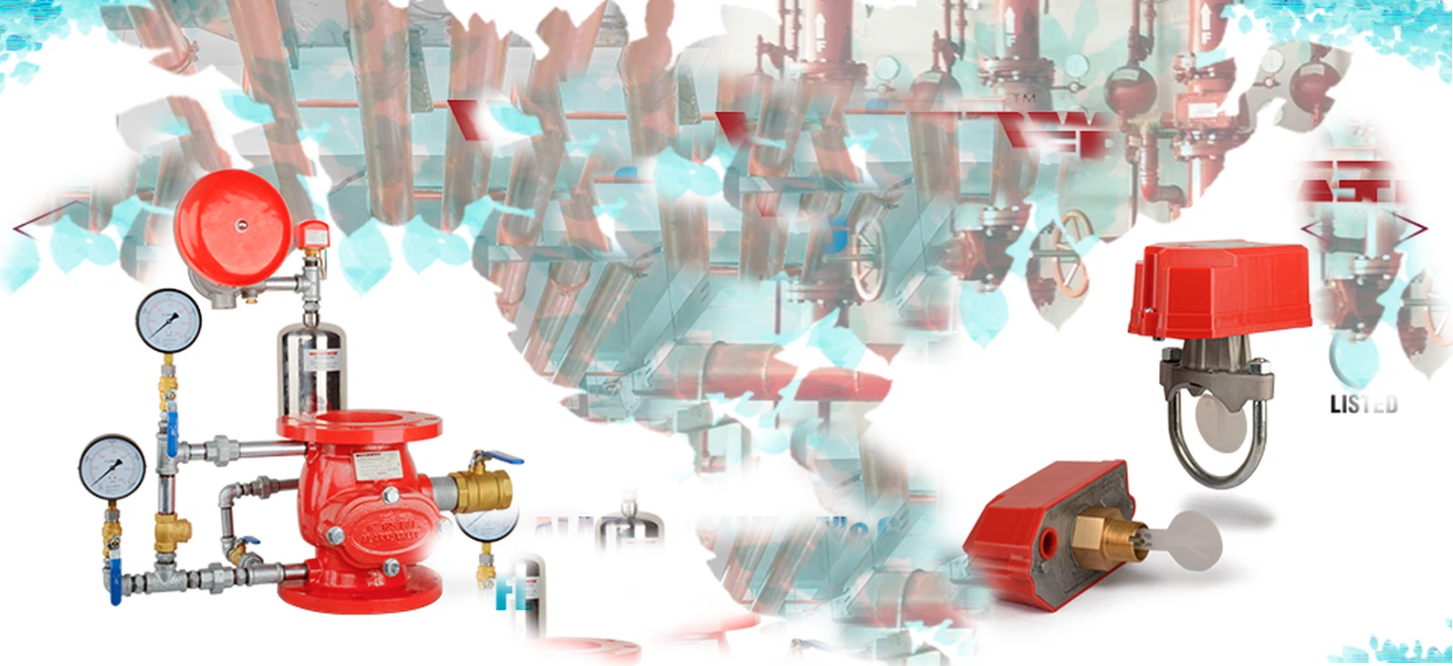
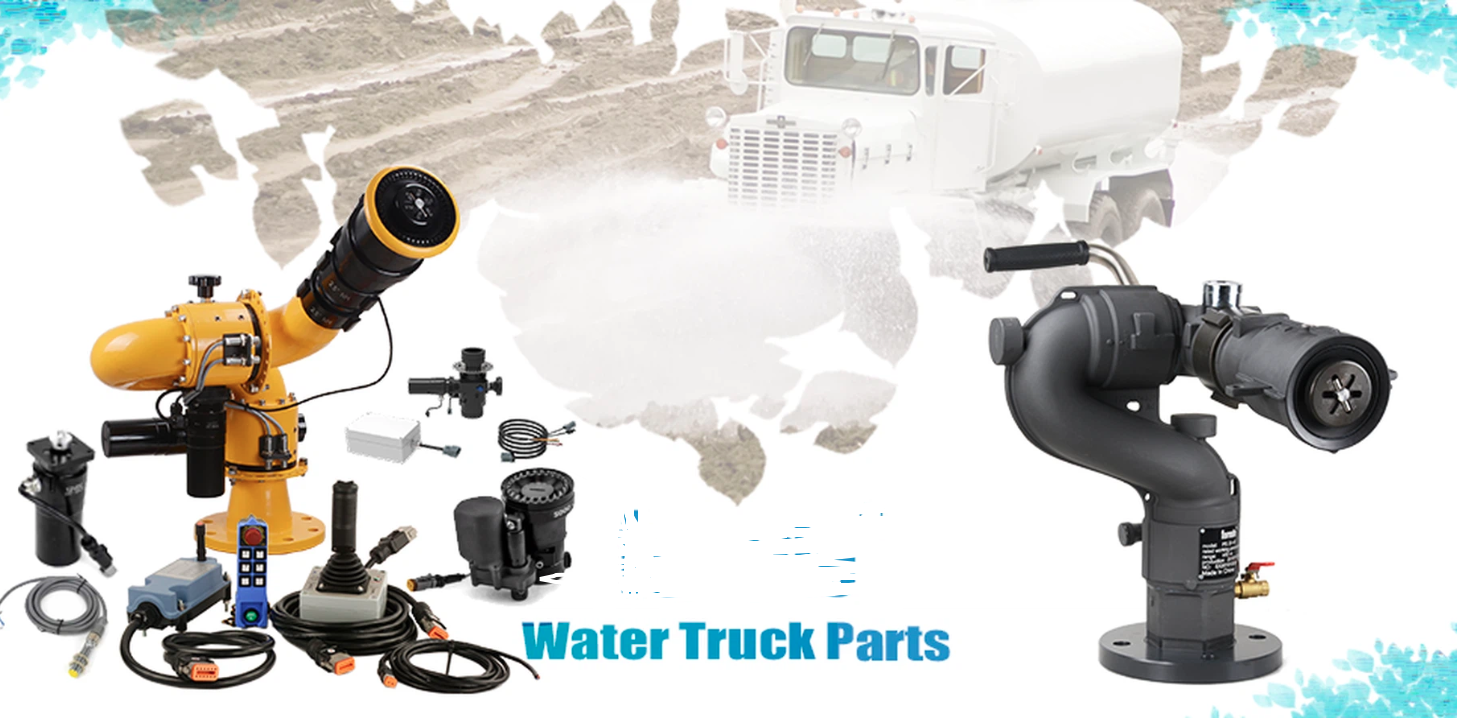
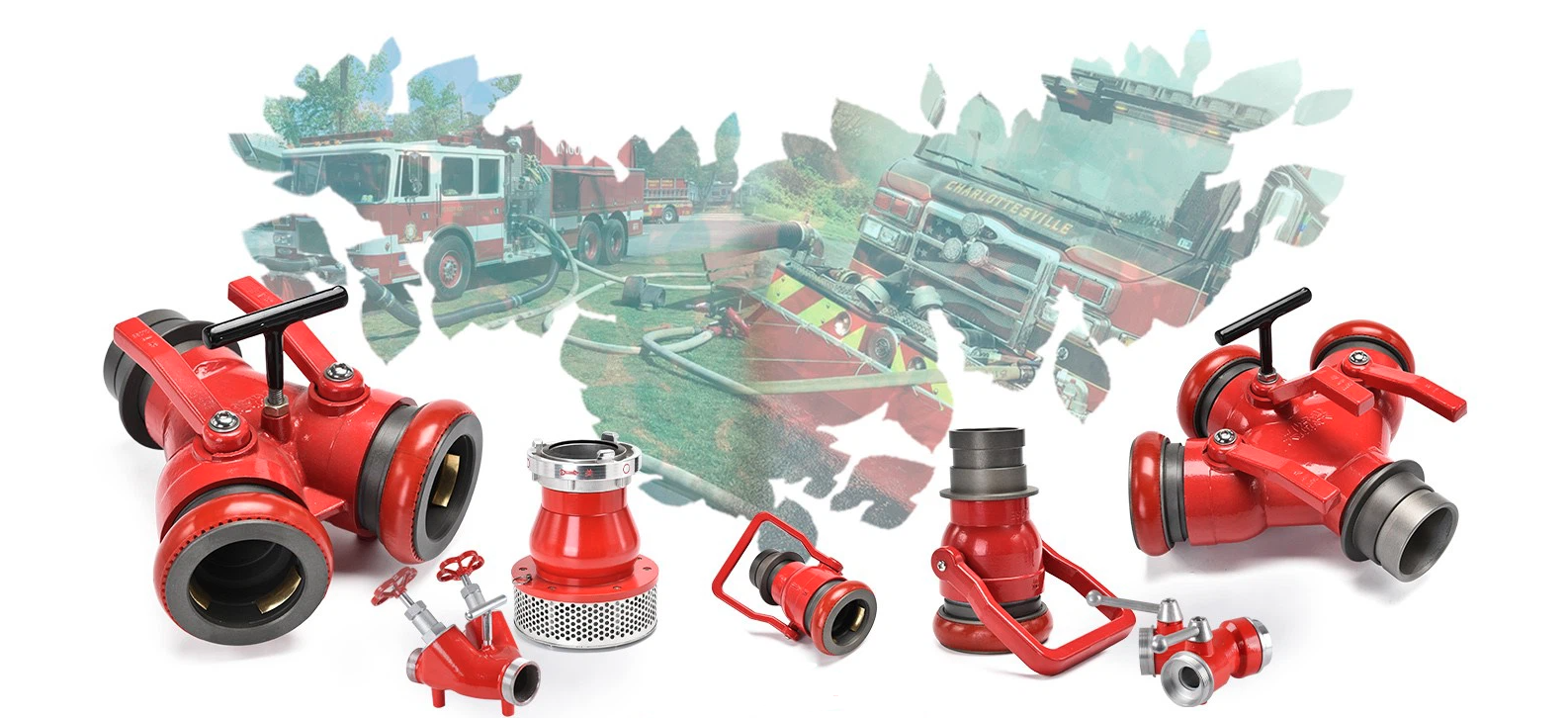
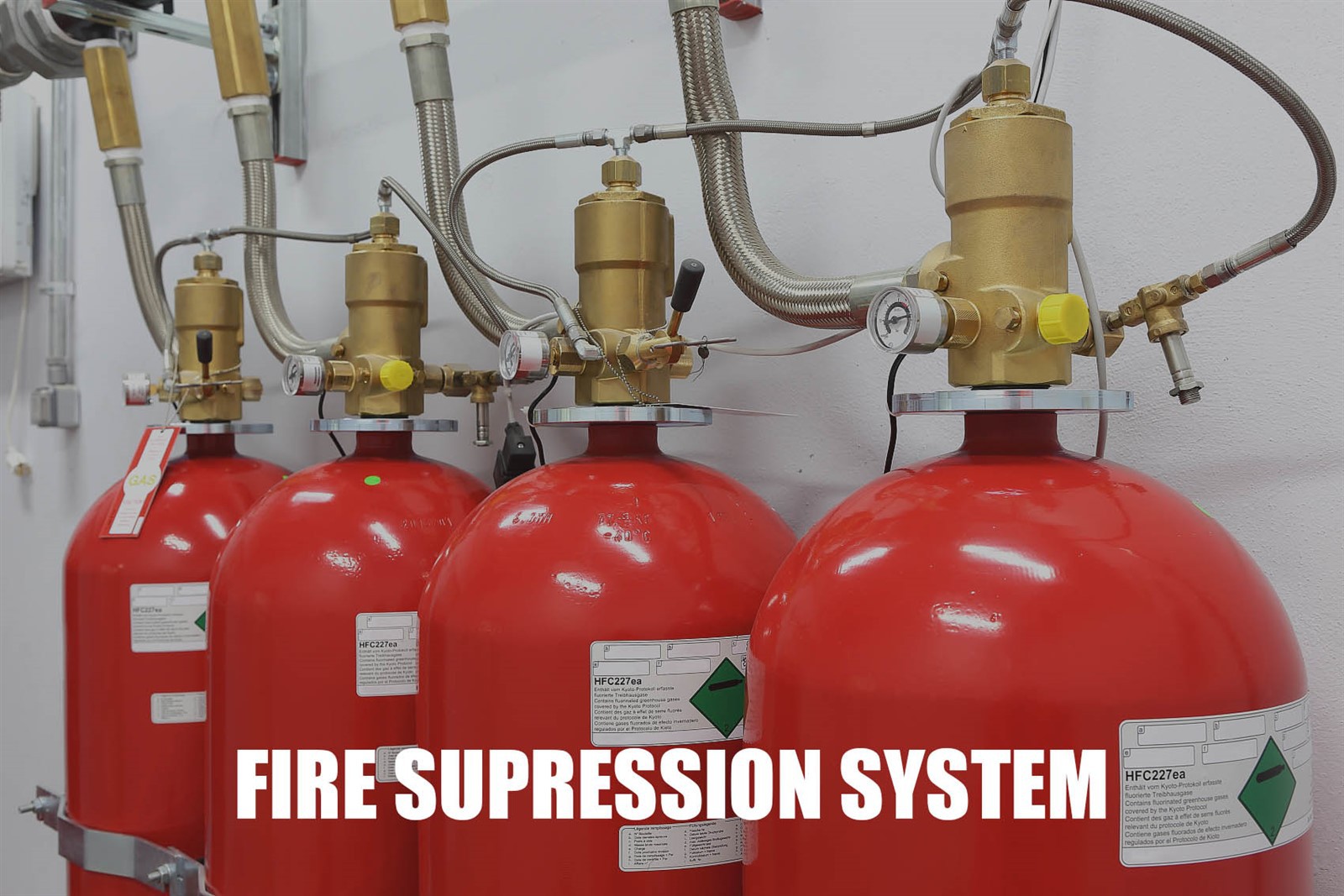
What should be noted before using fire valves and fire protection systems?
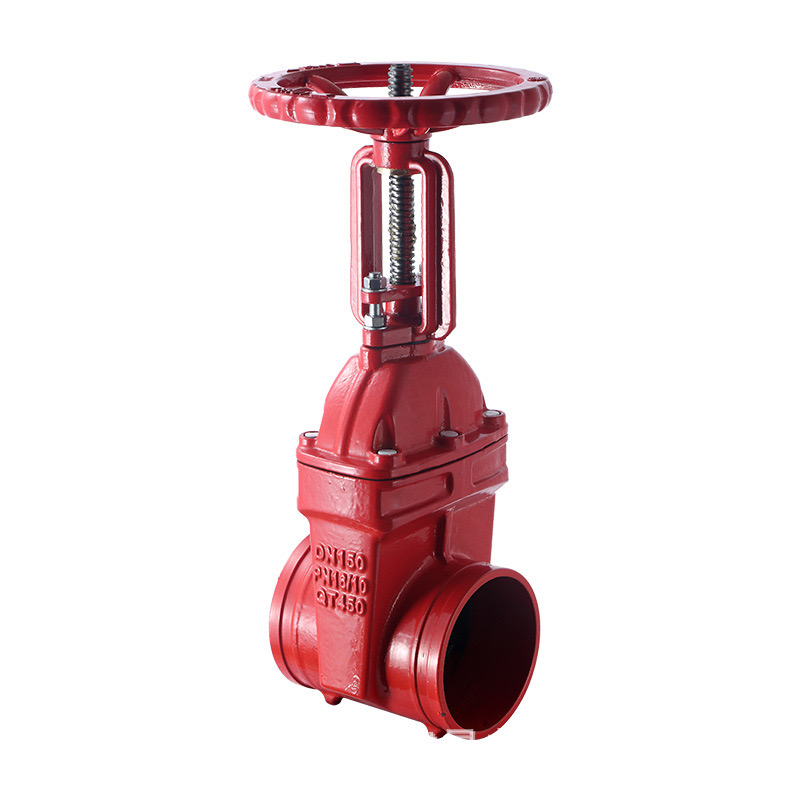
What should be noted before using fire valves and fire protection systems?
Pre-Use Precautions for Fire Valves and Systems_Complete Inspection Guide for Valve Status and System Linkage
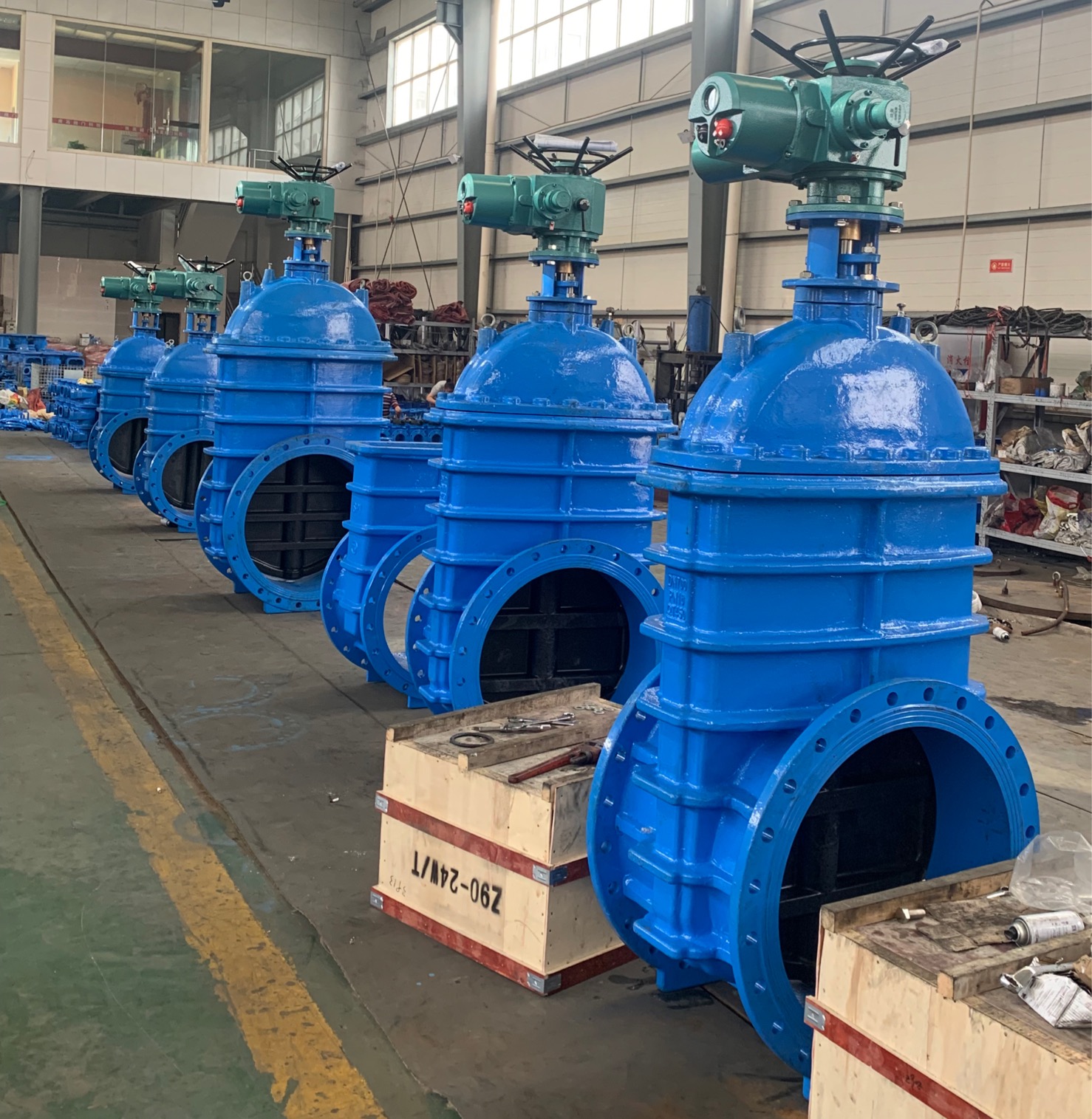
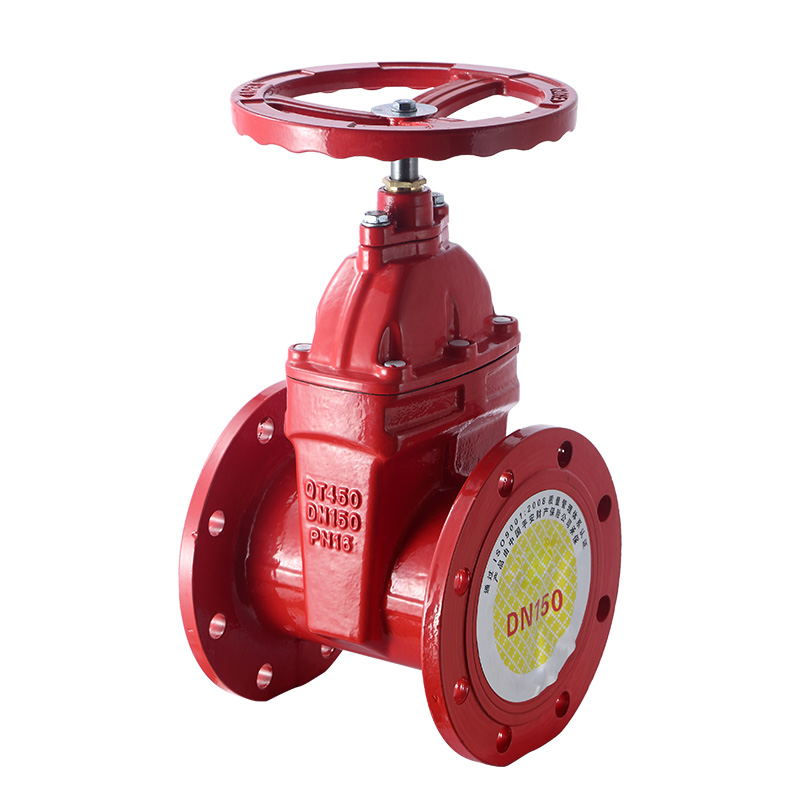
This article focuses on the core pre-use inspection points of fire valves (gate valves, butterfly valves, check valves, signal valves, etc.) and supporting systems (water sprinklers, fire hydrants, foam systems). It includes valve opening/closing status, pipeline pressure, system linkage function, extinguishing agent effectiveness, and safety protection preparation, to ensure the emergency response reliability of fire protection systems.
Must-Check List Before Using Fire Valves and Systems: 10 Core Points to Eliminate Fire Extinguishing Failure Risks
Fire valves and systems are the core equipment for fire fighting, and their effectiveness directly depends on status confirmation and function verification before pre-startup. As the "control center" of the system, valves must ensure correct opening/closing status and flexible operation; as the "execution unit", the system must ensure unobstructed pipelines, reliable linkage, and sufficient media. Before use, the four principles of "full confirmation of valve status, full test of system functions, full adaptation of environmental conditions, and full preparation of safety protection" must be followed to complete a comprehensive inspection. This article sorts out 10 core precautions around five dimensions: valve status, system performance, medium effectiveness, environmental adaptation, and safety protection, covering all fire protection scenarios including industry, civil use, and commerce.I. Status Confirmation and Function Inspection of Core Fire Valves
Valve status is the foundation of normal system operation. Before use, it is necessary to inspect four types of core valves: on-off valves, check valves, signal valves, and pressure reducing valves item by item. Use with faults is strictly prohibited.- On-Off Valves (Gate Valves, Butterfly Valves) — Key to On-Off Control
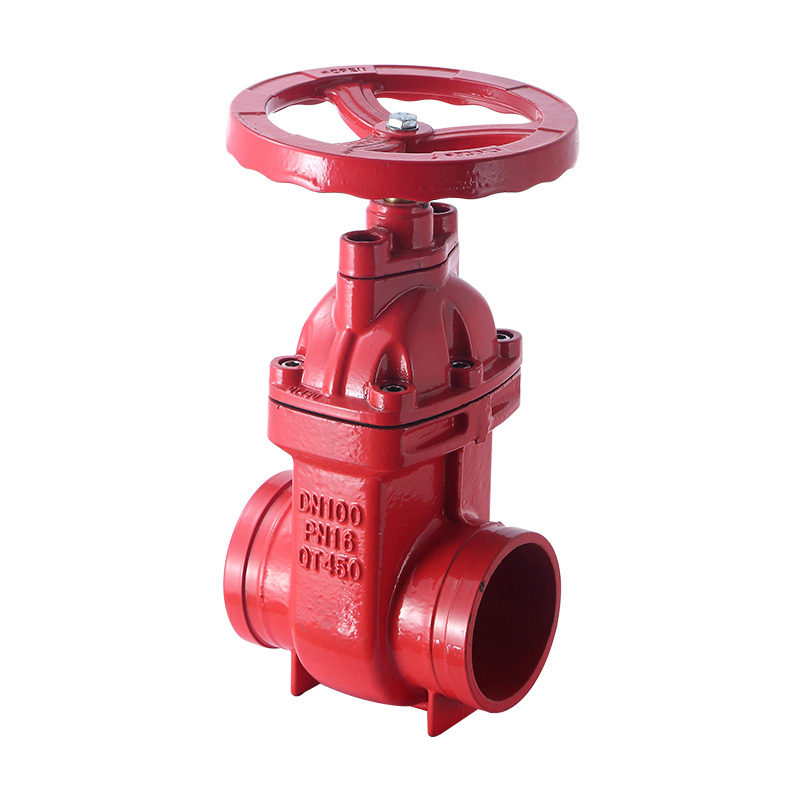
- Status Confirmation:Must be in normally open state in daily use, marked with "Normally Open", with handwheels/handles equipped with protective covers. No unauthorized closing or half-opening/half-closing is allowed.
- Function Inspection:Rotate the handwheel of manual valves 1-2 turns to ensure flexible operation without jamming, and the valve stem is free of rust and leakage; test the remote opening/closing function of electric valves, ensure smooth switching of manual emergency mode, and normal power supply and control signals.
- Core Taboos:Can only be closed during system maintenance or inspection. After closing, special personnel must be on duty. Before use, it must be restored to the normally open state and confirmed to be free of leakage.
- Check Valves — Safety Barrier to Prevent Backflow
- Installation Direction Confirmation:The arrow mark on the valve body is completely consistent with the water flow direction, with no reverse installation.
- Function Inspection:Test the automatic opening/closing performance through pipeline pressure fluctuations, ensure no jamming or backflow, and the valve disc has good sealing performance without medium leakage.
- Signal Valves — Intelligent Nodes for Status Monitoring
- Status Confirmation:The actual opening/closing status of the valve is completely consistent with the display of the fire control room linkage control panel, with no signal loss or false alarm.
- Function Test:Manually operate the valve to open and close, and the control room can receive status signals in real time; after remote operation of the electric signal valve, the signal feedback is timely and accurate.
- Pressure Reducing Valves — Regulators for Stable Pressure
- Pressure Confirmation:The outlet pressure is stable within the rated working range of the system (e.g., 0.15-0.3MPa for sprinkler systems, 0.3-0.5MPa for fire hydrant systems), with no overpressure or underpressure.
- Function Inspection:The locking device of the manual pressure reducing valve is firm, and the automatic pressure reducing valve is sensitive in action; the built-in filter screen is free of blockage, and the regular cleaning records are complete.
II. Performance Verification and Linkage Test of Fire Protection Systems
Before use, fire protection systems (water sprinklers, fire hydrants, foam systems, etc.) must complete three core verifications: pipeline status, equipment function, and linkage logic to ensure rapid response and efficient fire extinguishing.- Pipeline System Performance Inspection
- Pressure Inspection:The closed system pipeline maintains the rated working pressure with no sudden pressure drop or leakage; the open system pipeline is in a pressure-free standby state, and the pump can quickly build pressure after startup.
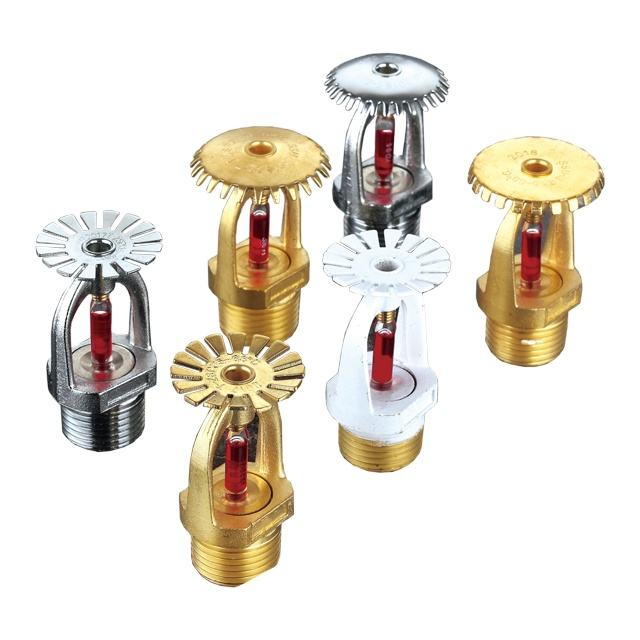
- Patency Inspection:The pipeline is free of deformation and rust, the flange connection has good sealing performance, and the supports and hangers are firm; the sprinklers of the automatic sprinkler system are unobstructed and undamaged, and the activation temperature matches the protected area.
- Drainage Test:Open the water test valve at the end of the pipeline to ensure smooth drainage without impurity blockage; after the test, close the valve and the pipeline pressure quickly returns to normal.
- Core Equipment Function Verification
- Fire Pump:The automatic inspection function is normal, and the no-load operation has no abnormal noise; the manual start and stop operations are smooth, and the pump outlet pressure meets the standard.
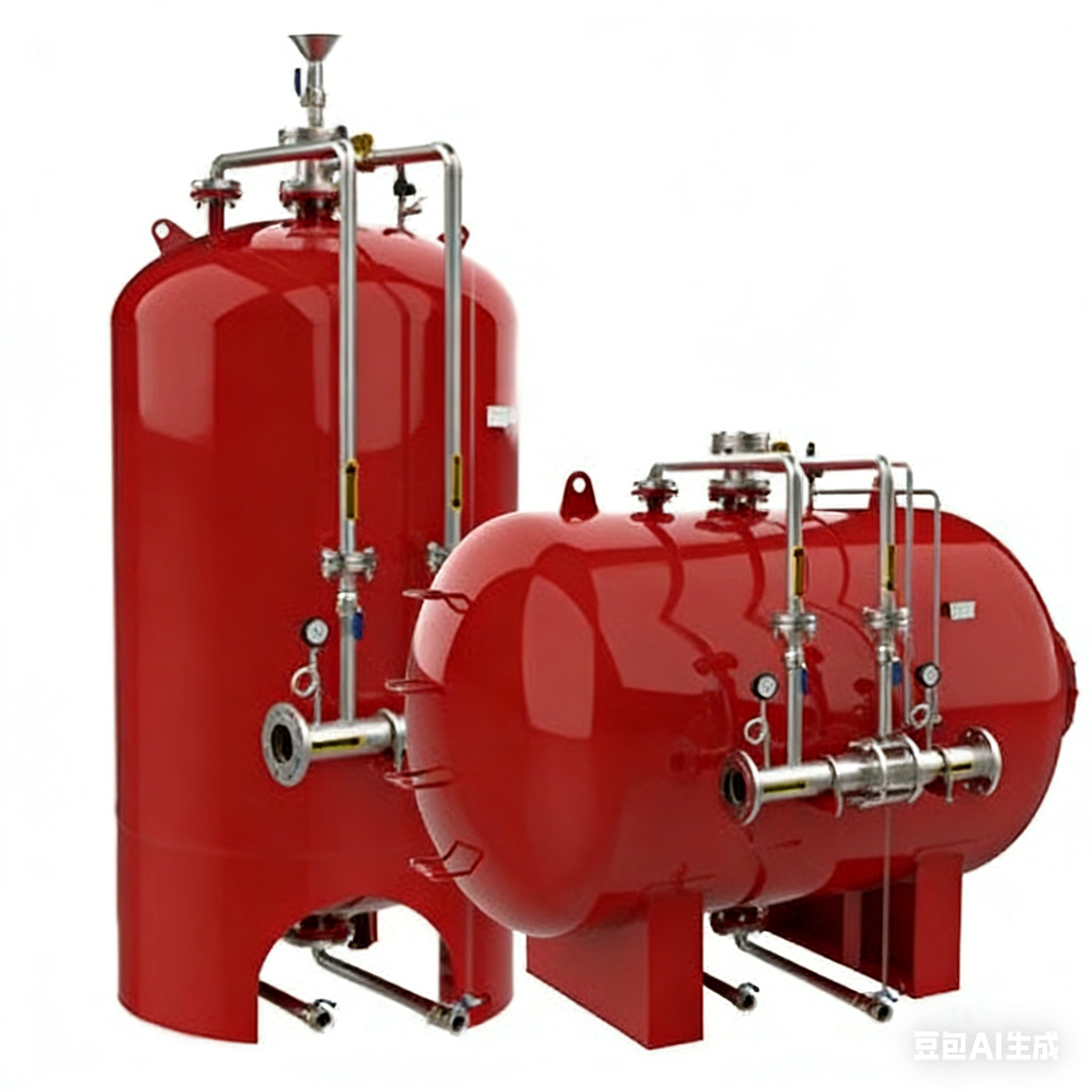
- Foam Proportioner:The inlet and outlet valves are normally open, and the interior is free of blockage and rust; the capsule of the pressure-type proportioner is intact without leakage, and the differential pressure control of the balanced proportioner is sensitive.
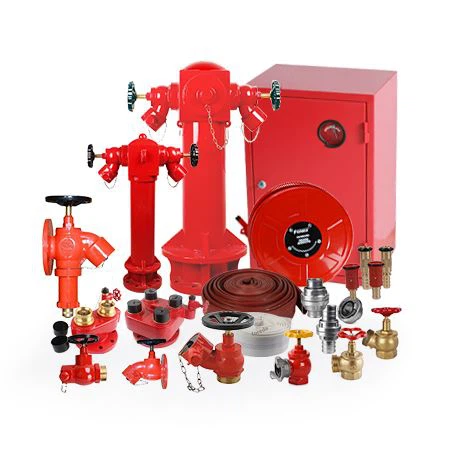
- Fire Hydrant Cabinet:The cabinet door opens flexibly, the hose, water gun, and interface are complete with no damage or aging; the fire hydrant valve opens and closes smoothly with no leakage.
- System Linkage Logic Test
- Automatic Systems (Water Sprinklers, Closed Foam Systems):Simulate a fire to trigger the heat detector, and confirm that the linkage process of pressure switch activation, fire pump startup, and sprinkler water spray (foam mixture) is smooth, and the response time complies with specifications.
- Open Systems (Deluge, Open Foam Systems):Trigger the fire detector to verify the linkage logic of deluge valve opening, pipeline pressurization, and large-area sprinkler spraying; at the same time, test the backup function of manually opening the deluge valve.
- Fire Hydrant System:After starting the fire pump, check the outlet pressure of the hydrant at the most unfavorable point to ensure it meets the fire extinguishing flow and pressure requirements.
III. Effectiveness Verification of Extinguishing Agents and Working Media
For fire protection systems that rely on special media such as foam systems and gas fire extinguishing systems, the type matching and effectiveness of the medium are the key to the success of fire extinguishing, and must be strictly verified before use.- Core Inspection of Foam Concentrate
- Type Matching:Confirm that the foam concentrate type is consistent with the fire medium in the protected area (AFFF/fluoroprotein foam concentrate for water-insoluble oils, alcohol-resistant foam concentrate for polar solvents, special alcohol-resistant foam concentrate for kitchen edible oil).
- Validity Verification:Check the production date and validity period of the foam concentrate (usually 2-5 years) for no expiration; the appearance is clear and transparent or uniformly milky white with no stratification, precipitation, or discoloration.
- Storage Status:Hermetically stored in a cool and dry environment without direct sunlight or high-temperature baking; the tank liquid level is normal with no leakage.
- Inspection of Other Media
- Fire Water:The water quality in the pipeline is clean with no impurities blocking sprinklers or valves; in cold regions, confirm that the pipeline is free of freezing and the heat tracing device is operating normally.
- Gas Extinguishing Agent:The storage pressure is normal, and the cylinder group is free of leakage and rust; the activation device has good function, and the linkage release logic is accurate.
IV. Inspection of Environmental Conditions and System Adaptability
The effectiveness of fire protection systems is significantly affected by environmental conditions. Before use, confirm that the system is completely adapted to the on-site environment to avoid system failure due to environmental factors.- Temperature Environment Adaptation
- Low-Temperature Environment (<0℃):Check the pipeline heat tracing device and antifreeze addition to ensure no freezing and blockage; the valve seals are made of low-temperature resistant materials, and the foam concentrate is low-temperature type (freezing point lower than the minimum ambient temperature).
- High-Temperature Environment (>40℃):Confirm that the cooling device of the foam concentrate tank is operating normally with no risk of high-temperature deterioration; the sprinklers are equipped with heat insulation protective covers to avoid false activation caused by thermal radiation.
- Space Environment Adaptation
- There are no obstacles blocking the spray path of sprinklers, foam monitors, or fire hydrants in the protected area to ensure that the medium can evenly cover the fire source.
- For enclosed spaces, confirm that the system's linkage function with the ventilation system is normal, and the ventilation equipment can be automatically turned on during fire extinguishing to discharge toxic vapor.
- Corrosive Environment Adaptation
- In corrosive environments such as chemical plants and coastal areas, check that the pipelines and valves are made of stainless steel or anti-corrosion coating materials with no rust or leakage; the anti-corrosion layer of the foam concentrate tank is intact.
V. Safety Protection and Operation Preparation
Before use, complete operator protection and emergency preparation to avoid casualties due to operational errors or insufficient protection.- Operator Qualifications and Skills
- Operators must be certified to work, familiar with valve types, system linkage logic, and operation procedures, and master the safety protection knowledge of foam concentrate and high-pressure water flow.
- Operators of manual systems (fire hydrants, foam guns) must receive special training to quickly complete equipment connection and valve operation.
- Protective Equipment Preparation
- Complete protective equipment is available on-site: protective gloves, goggles, and protective clothing (additional gas masks are required when operating foam systems).
- First-aid kits and flushing equipment are provided for emergency treatment in case foam concentrate or high-pressure water flow comes into contact with the skin/eyes.
- Emergency Communication and Duty
- Communication between the fire control room and the on-site operation point is unobstructed to transmit system status and fire information in real time.
- Special personnel must be arranged on duty before system startup to monitor the system operation status and handle sudden faults in a timely manner.
Core Summary
The core precautions before using fire valves and systems can be summarized as "Three Comprehensives and One Accuracy": Comprehensive Status Confirmation (valve opening/closing, pipeline pressure, equipment function), Comprehensive Function Test (linkage logic, medium injection, emergency operation), Comprehensive Environmental Adaptation (temperature, space, corrosive conditions), and Accurate Medium Type (matching the fire medium with a valid expiration date).In daily management, a regular inspection system must be established to ensure that valves are normally open, system linkage is reliable, and media is effective; in fire emergencies, a quick status review must be completed before use to avoid fire extinguishing failure due to lack of pre-startup inspection. For enterprise safety management departments and fire operators, strictly implementing the pre-use inspection process is the core guarantee for ensuring that fire protection systems play an effective role in the event of a fire.