English
 日本語
日本語 Tiếng Việt
 繁體中文
繁體中文 بالعربية
 Արմենյան
 한국어
한국어 Русский
 Türkçe
 คนไทย
คนไทย nederlands
 Română
 Gaeilgenah Éireann
 Português
 Indonesia
 Polski
 Español
 magyar
 Nederlands
 हिंदी
हिंदी Eesti
Eesti
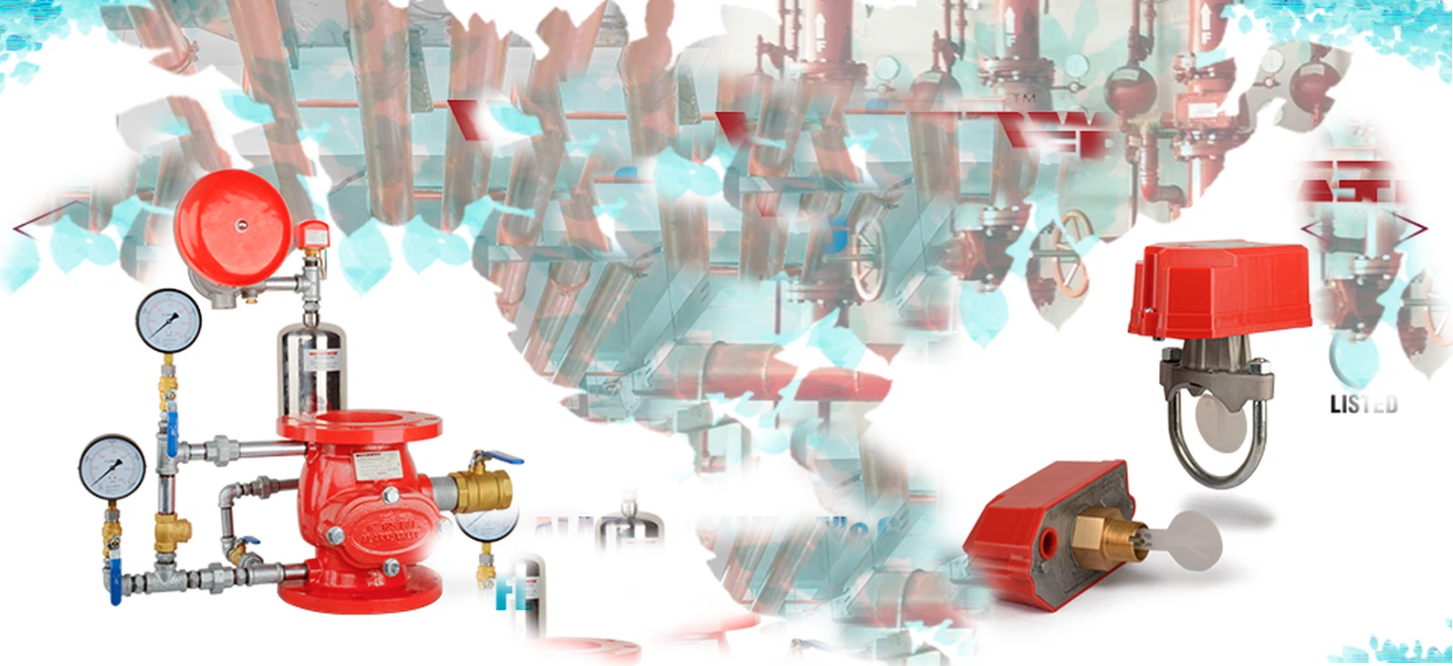
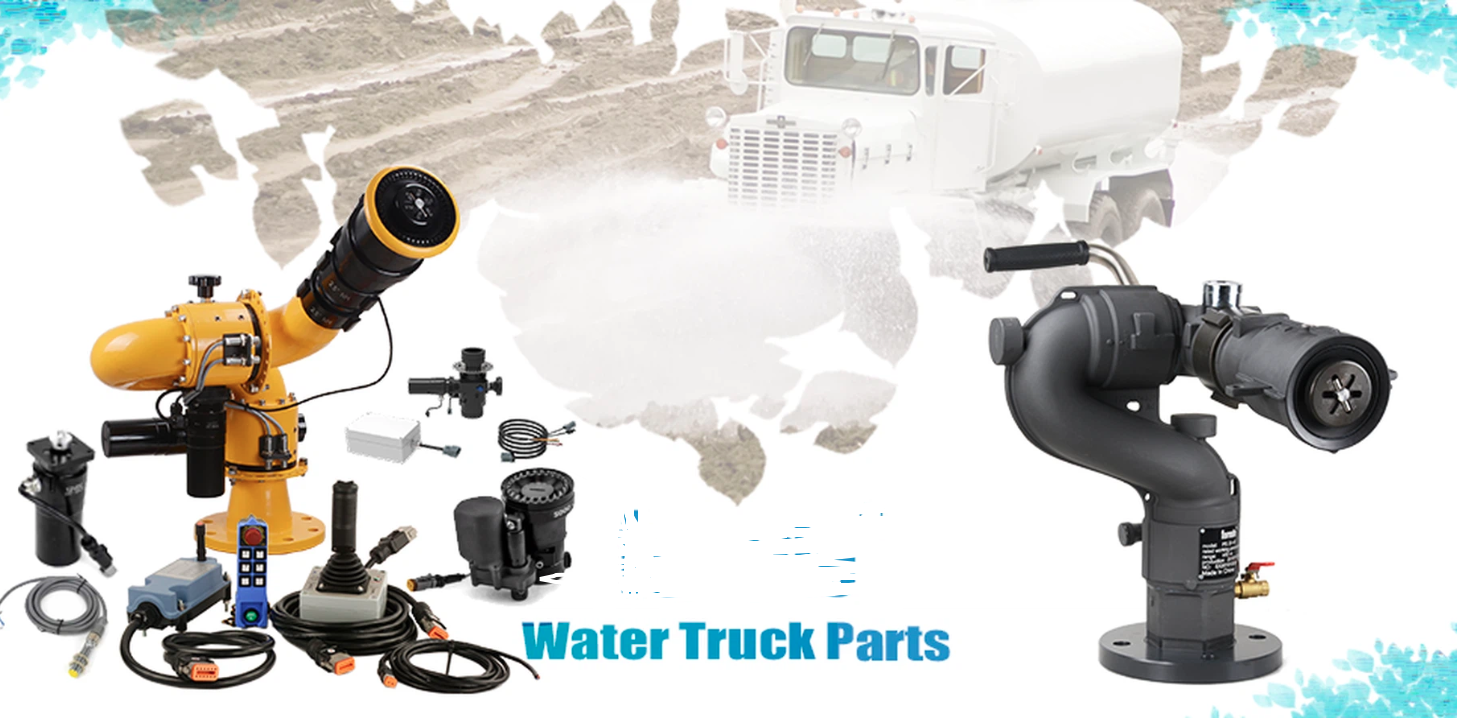
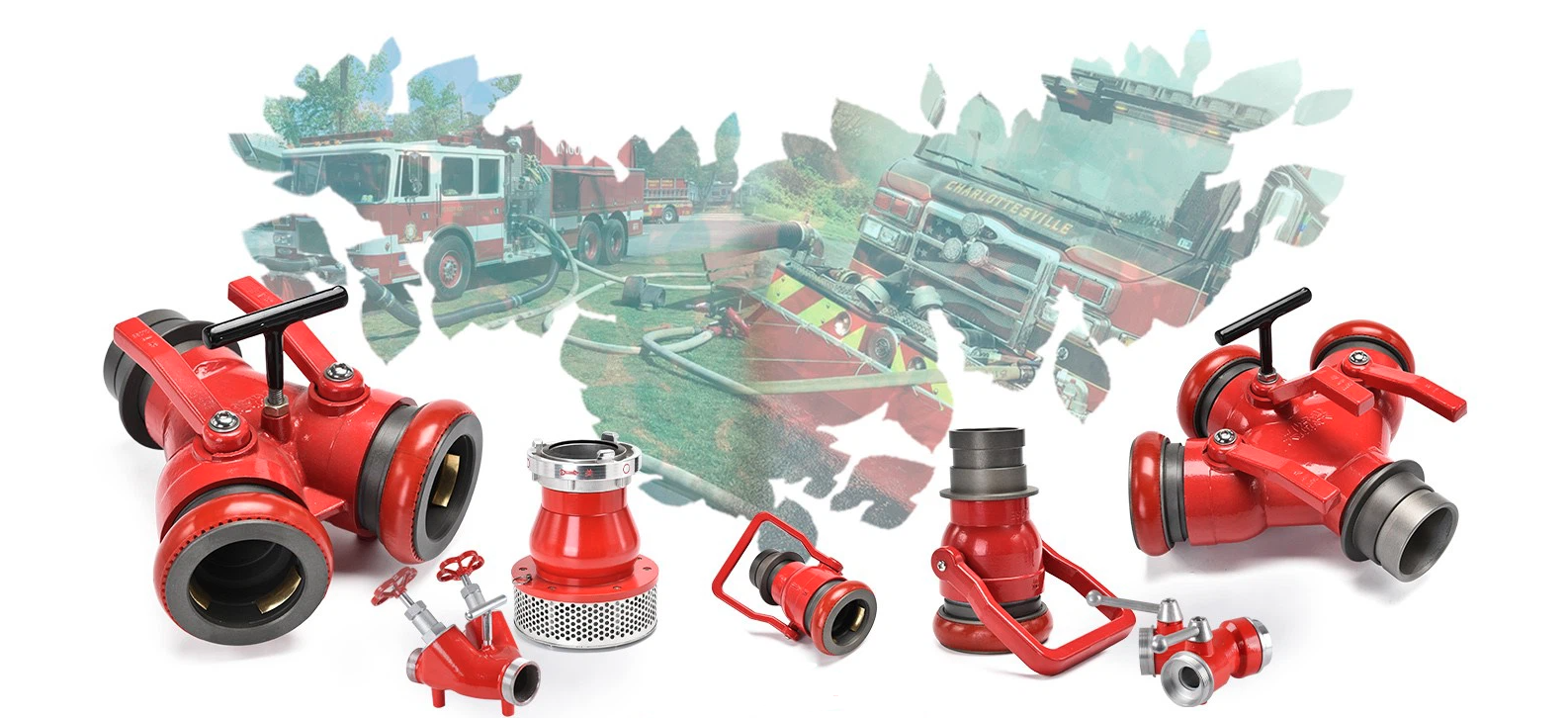
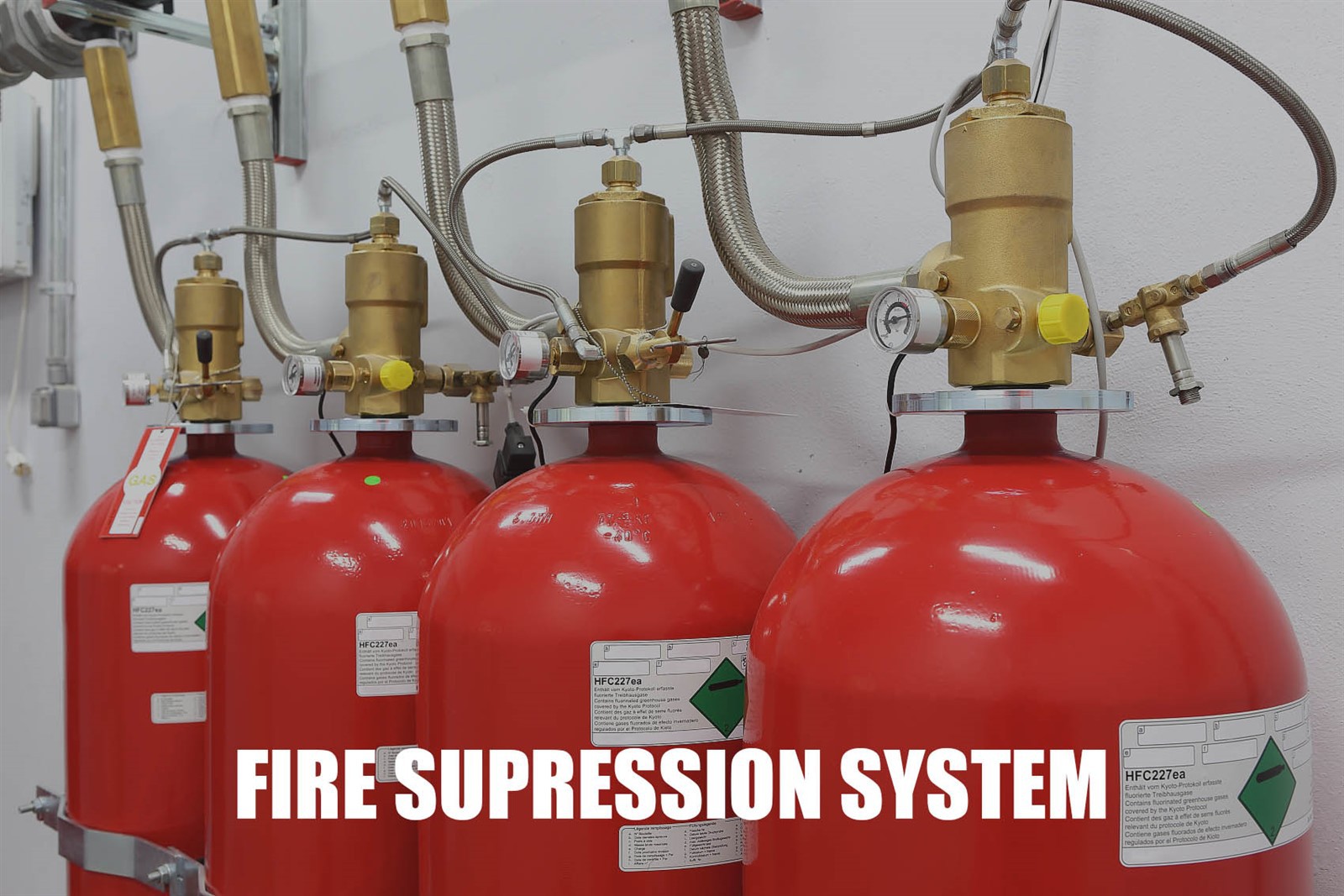
How to select suitable fire valves and fire protection systems for different environments?
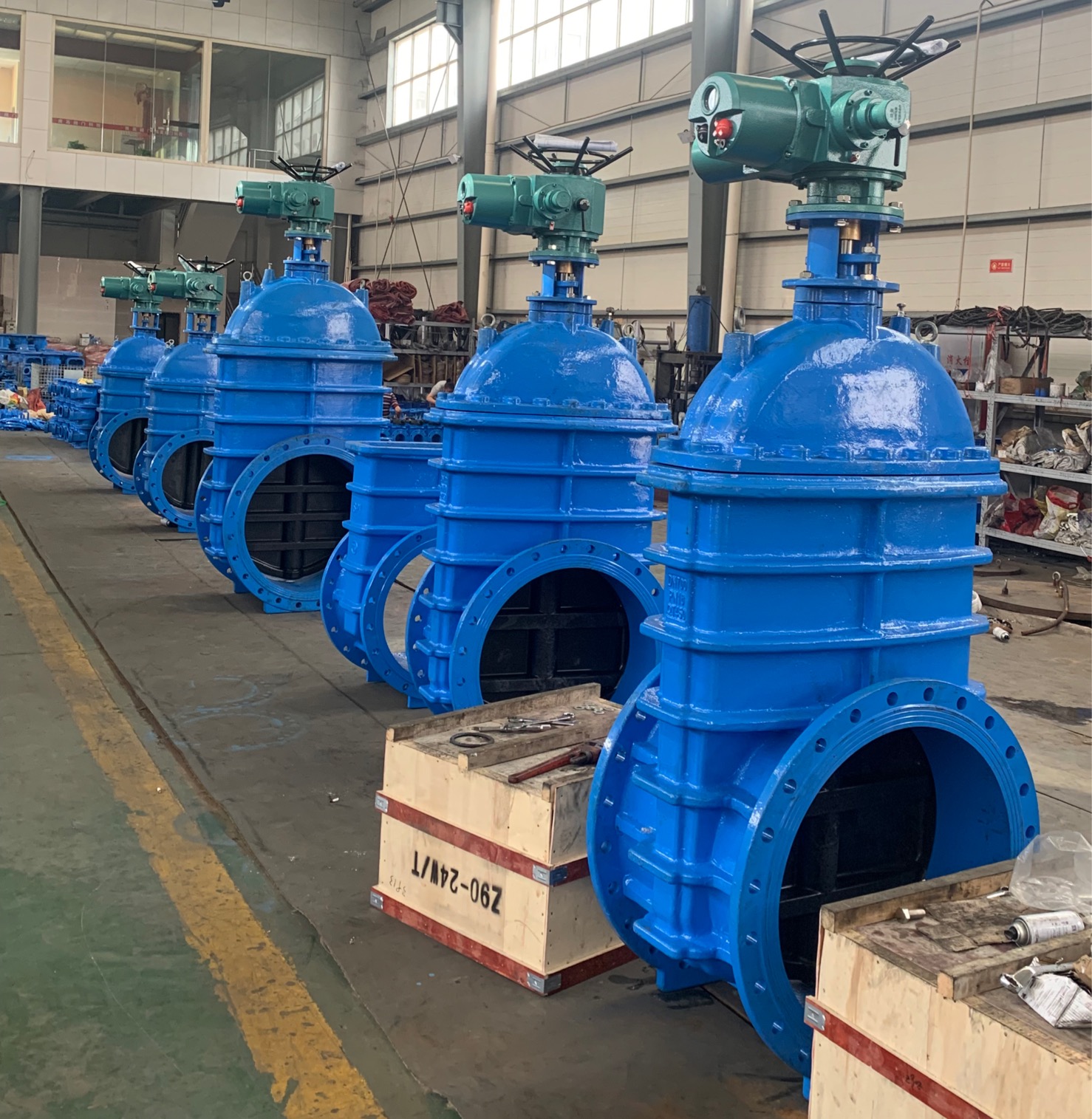
How to select suitable fire valves and fire protection systems for different environments?
Selection Guide for Fire Valves and Systems in Different Environments_Valve Material and System Type Adaptation Solutions
This article focuses on the environment-adaptive selection strategy of fire valves (gate valves, butterfly valves, check valves, etc.) and supporting systems (water sprinklers, fire hydrants, foam systems). Covering scenarios such as industrial storage, commercial buildings, high-low temperature environments, and corrosive environments, it provides matching solutions for valve materials, system types, and core parameters from three dimensions: medium characteristics, spatial structure, and environmental conditions, to improve the emergency reliability of fire protection systems.
Selection Guide for Fire Valves and Systems in Different Environments: Choose the Right Valves and Systems According to the Environment to Build a Solid Fire Safety Line
The core logic of selecting fire valves and systems is "environment adaptation, medium matching, and function correspondence". Different environments have significant differences in fire media (oil, flammable liquids, ordinary solids), spatial structures (open/closed, high-rise/low-rise), and environmental conditions (temperature, humidity, corrosivity), which directly determine the valve material, type, and the system's working principle and linkage mode.The selection must follow three core principles:
- Medium Priority Principle: Determine the system type (water system/foam system/gas system) and valve seal material according to the type of fire medium in the protected area.
- Environment Adaptation Principle: Select the valve body material and the system's anti-freezing/anti-corrosion/heat insulation measures according to environmental conditions such as temperature, corrosion, and space.
- Function Matching Principle: Determine the valve control mode (manual/electric/signal) and system linkage logic according to protection requirements (automatic fire extinguishing/manual fire fighting/regional fire control).
I. Industrial Special Environments (Oil Depots, Chemical Plants, Storage Tank Areas, Boiler Rooms)
Environmental Characteristics: Complex fire media (water-insoluble oils, polar solvents, high-temperature steam), open space or high-pressure closed containers, high fire risk, fast spread speed, and potential high temperature, high pressure, and corrosion hazards in some areas.Core Selection Criterion: Large flow rate, high pressure resistance, and medium-specific. Valves should preferably be made of wear-resistant and high-temperature resistant materials, and systems should preferably be automatic linkage type.- Oil Depots/Gas Stations/Crude Oil Storage Tank Areas
- Fire Medium: Water-insoluble oils (gasoline, diesel, crude oil)
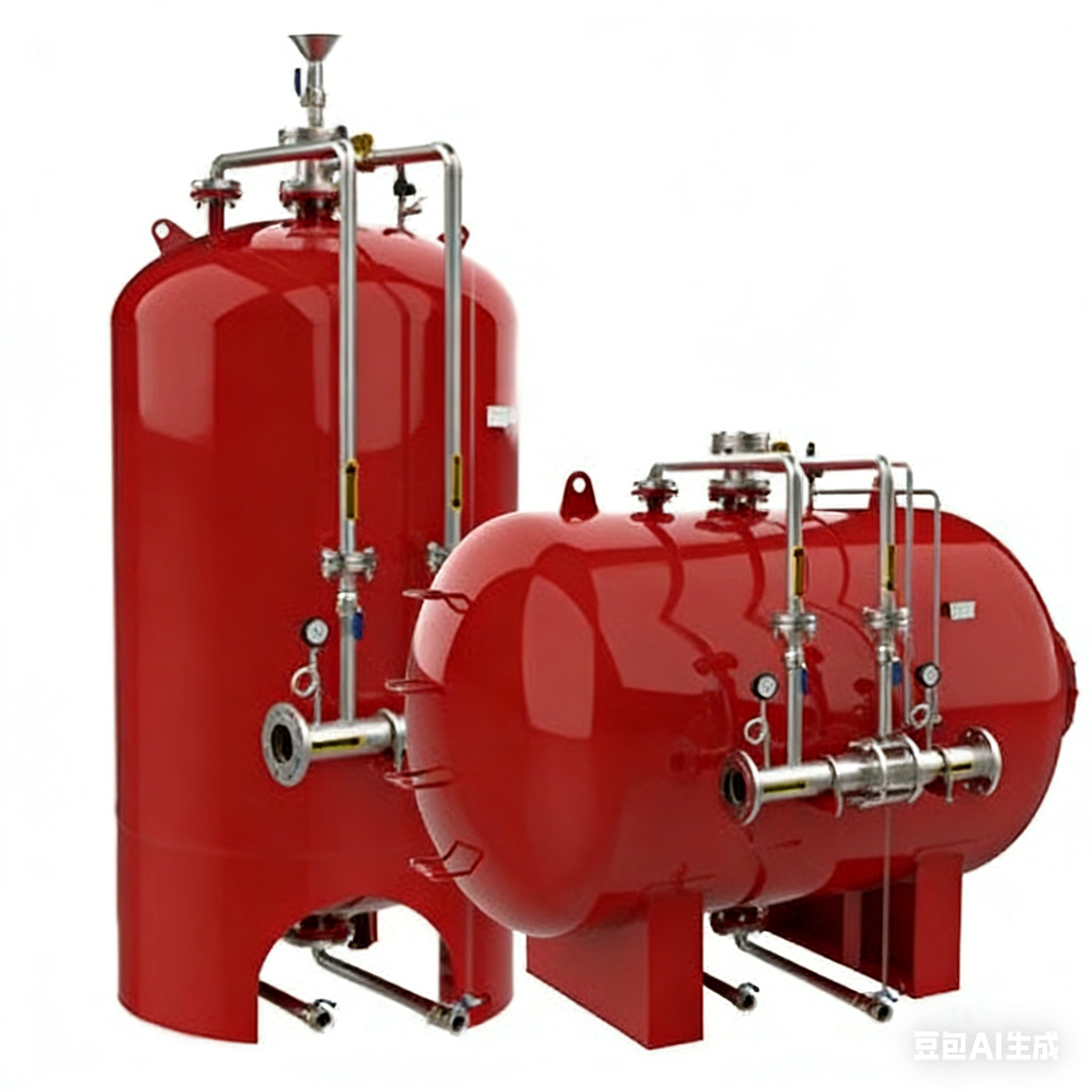
- System Type Selection: Open foam deluge system + fixed foam monitor (large storage tank areas), closed foam-water sprinkler system (pump rooms/oil unloading areas)
- Valve Selection:
- Body Material: Carbon steel WCB (suitable for conventional oil environments)
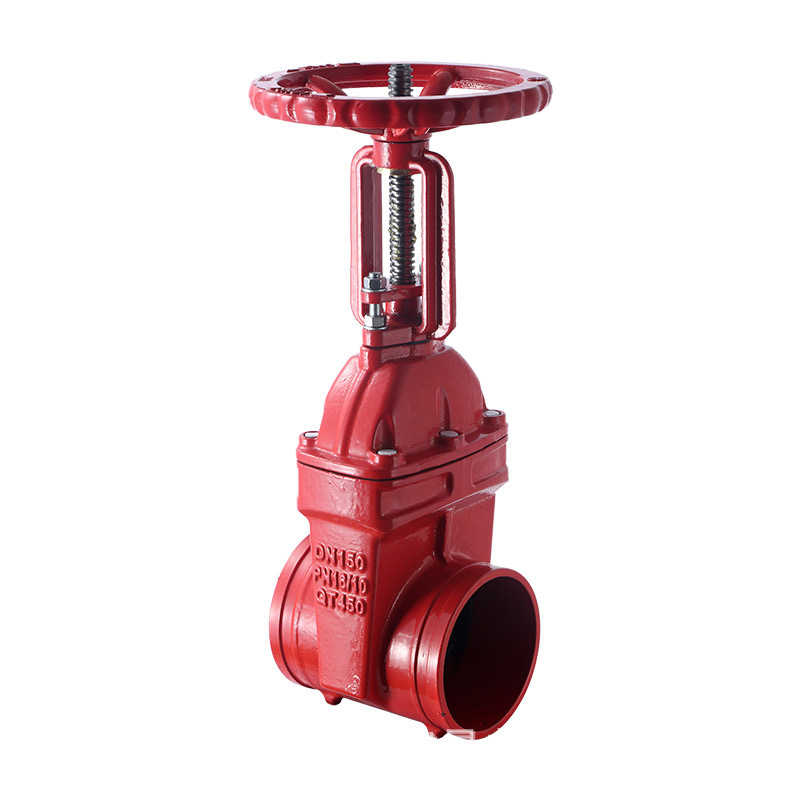
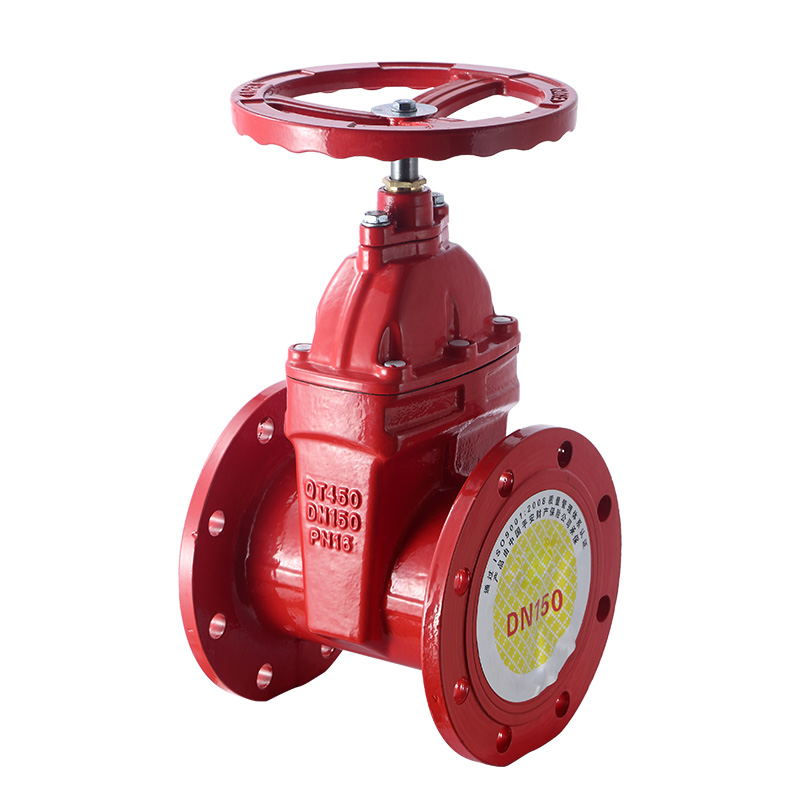
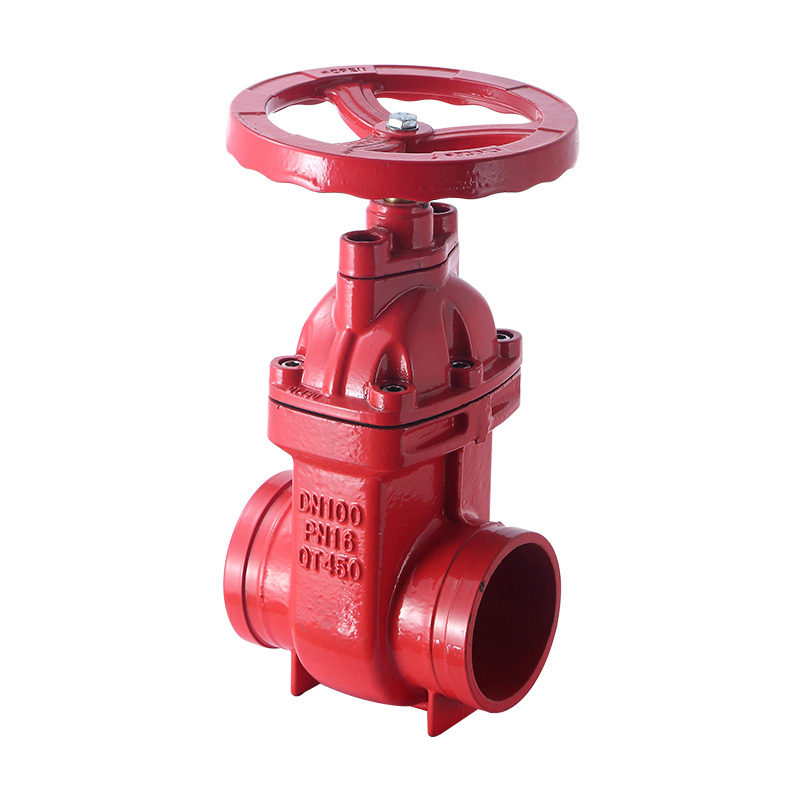
- Valve Type: Electric butterfly valve (system main valve, remote linkage control), signal gate valve (pipeline zoning, status monitoring), check valve (pump outlet, backflow prevention)
- Core Parameters: Working pressure ≥1.6MPa, nominal diameter matching the pipeline, electric valves must have manual emergency function
- Special Adaptation: Foam systems must be equipped with special foam valves with nitrile rubber (NBR) seals, which have excellent oil resistance.
- Chemical Plants/Polar Solvent Storage Tank Areas
- Fire Medium: Water-soluble polar solvents (methanol, ethanol, acetone)
- System Type Selection: Alcohol-resistant foam spray system (small spaces), open foam deluge system (storage tank areas)
- Valve Selection:
- Body Material: Stainless steel 304/316 (solvent corrosion resistance)
- Valve Type: Electric signal butterfly valve (system main valve), stainless steel check valve (foam concentrate backflow prevention), pressure reducing valve (regulating pipeline pressure to 0.2-0.4MPa)
- Core Parameters: Fluororubber (FKM) seals, corrosion resistance to polar solvents, electric valve protection class ≥IP65
- Special Adaptation: Carbon steel valves are prohibited to avoid valve leakage or jamming caused by solvent corrosion.
- Boiler Rooms/High-Temperature Equipment Rooms
- Environmental Characteristics: Normal temperature >60℃, fire medium is high-temperature oil or steam
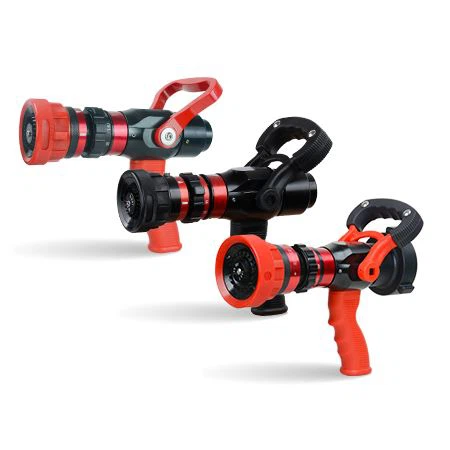
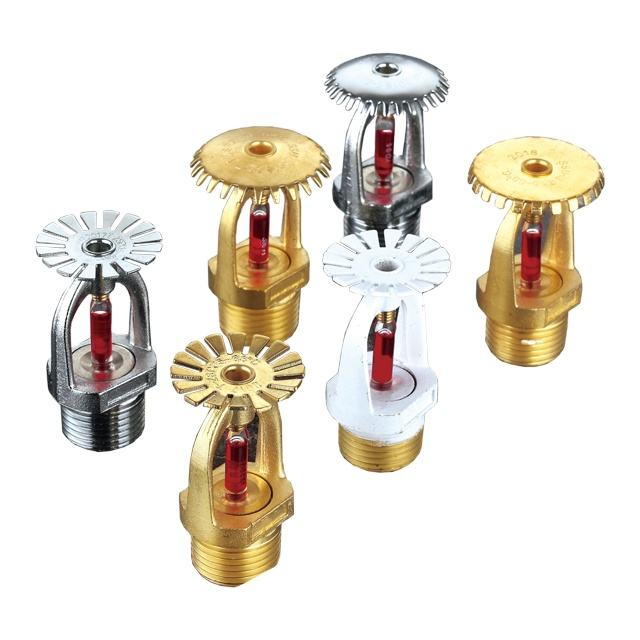
- System Type Selection: Closed water sprinkler system (high-temperature sprinklers), manual foam gun system
- Valve Selection:
- Body Material: Carbon steel WCB + high-temperature coating
- Valve Type: Manual gate valve (high temperature resistance, reliable operation), high-temperature check valve (working temperature ≤200℃)
- Core Parameters: Graphite seals, excellent high temperature resistance, valve nominal pressure ≥2.5MPa
- Special Adaptation: Sprinkler activation temperature ≥141℃, valves should be kept away from high-temperature radiation areas or equipped with heat insulation protective covers.
II. Commercial and Civil Buildings (Office Buildings, Shopping Malls, Residences, Commercial Kitchens)
Environmental Characteristics: Dense personnel, closed or semi-closed space, fire medium mainly solid combustibles (wood, plastic), commercial kitchens involve high-temperature edible oil, and high requirements for automatic system response and low water damage loss.Core Selection Criterion: Miniaturization, automation, and low interference. Valves should preferably be lightweight and easy to operate, and systems should preferably be closed automatic type.- Office Buildings/Shopping Malls/Residences
- Fire Medium: Ordinary solid combustibles
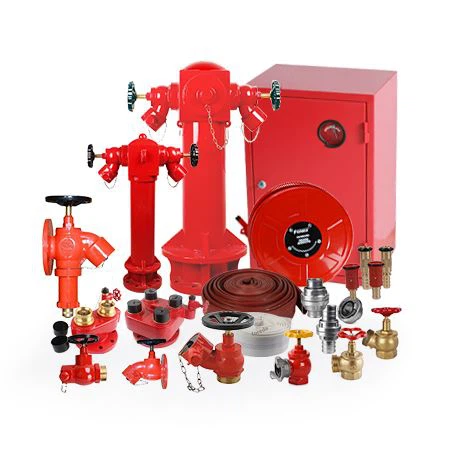
- System Type Selection: Closed automatic sprinkler system (core protection), indoor fire hydrant system (auxiliary fire fighting)
- Valve Selection:
- Body Material: Ductile iron (low cost, high strength, suitable for civil environments)
- Valve Type: Signal butterfly valve (pipeline zoning, status feedback to fire control room), check valve (pump outlet), pressure reducing valve (high-rise zoning, regulating pressure to 0.15-0.3MPa)
- Core Parameters: Small operating torque for manual valves, accurate signal feedback for signal valves, protection class ≥IP54
- Special Adaptation: High-rise residences need zoned pressure reducing valves to ensure the pressure at the most unfavorable sprinkler point meets the standard; large shopping mall spaces can be equipped with intelligent water monitor systems.
- Commercial Kitchens/Canteen Kitchen Backs
- Fire Medium: High-temperature edible oil (animal oil, vegetable oil)
- System Type Selection: Kitchen-specific closed foam sprinkler system, cooker fire extinguishing device
- Valve Selection:
- Body Material: Stainless steel 304 (oil fume and water vapor corrosion resistance)
- Valve Type: Micro electric butterfly valve (system main valve, linked with cooker flameout device), manual foam valve (auxiliary fire fighting)
- Core Parameters: Action response time ≤3s, fluororubber seals, oil and high temperature resistance
- Special Adaptation: The system must be linked with the kitchen exhaust system, which automatically closes the exhaust valve during fire extinguishing to prevent foam diffusion.
III. Extreme Climate Environments (Low-Temperature Areas, High-Temperature Deserts, Outdoor Open Air)
Environmental Characteristics: Large temperature fluctuations, easy freezing in low-temperature areas, easy equipment aging in high-temperature deserts, and wind, rain, and sun erosion in outdoor open-air environments, requiring high anti-freezing, sun protection, and weather resistance of the system.Core Selection Criterion: Weather resistance, anti-freezing, and anti-aging. Valves should preferably be with heat preservation/tracing functions, and systems should preferably be with anti-freezing/heat insulation design.- Low-Temperature Areas (Winter temperature <-10℃, such as northern alpine regions)
- Environmental Risks: Pipeline freezing, valve jamming, foam concentrate solidification
- System Type Selection: Heat-traced closed water sprinkler system, anti-freeze foam system
- Valve Selection:
- Body Material: Carbon steel WCB + thermal insulation layer
- Valve Type: Electric gate valve + electric heat tracing device (system main valve, preventing valve stem freezing), anti-freeze check valve (built-in anti-freeze liquid chamber)
- Core Parameters: Tracing temperature controlled at 5-10℃, valve working temperature ≥-40℃, seals made of low-temperature resistant rubber (EPDM)
- Special Adaptation: Low-temperature type foam concentrate (freezing point ≤-20℃) should be selected, pipelines should be equipped with polyurethane thermal insulation layers, and outdoor valves should be equipped with thermal insulation boxes.
- High-Temperature Desert Areas (Summer temperature >50℃)
- Environmental Risks: Equipment aging, valve seal failure, foam concentrate deterioration at high temperatures
- System Type Selection: Open water sprinkler system (with heat insulation cover), underground fire hydrant system
- Valve Selection:
- Body Material: Carbon steel WCB + sun protection coating
- Valve Type: Manual butterfly valve (with heat insulation handle), high-temperature pressure reducing valve (working temperature ≤80℃)
- Core Parameters: Fluororubber seals, valve protection class ≥IP66, avoiding valve stem deformation caused by direct sunlight
- Special Adaptation: Foam concentrate tanks should be placed in a cool and ventilated place with cooling devices; sprinklers should be equipped with heat insulation protective covers to prevent false activation due to thermal radiation.
- Outdoor Open-Air Environments (Yards, Ports, Substations)
- Environmental Risks: Wind and rain erosion, dust blockage, UV aging
- System Type Selection: Fixed fire monitor system (yards/ports), closed water sprinkler system (substations)
- Valve Selection:
- Body Material: Stainless steel 304/316 (outdoor corrosive environments), ductile iron + anti-corrosion coating (conventional open-air environments)
- Valve Type: Electric signal gate valve (remote control), rainproof check valve (preventing rainwater backflow)
- Core Parameters: Protection class ≥IP67, electric valves equipped with rain covers, manual valve handwheels equipped with dust covers
- Special Adaptation: Pipelines use galvanized steel pipes or stainless steel pipes, outdoor fire monitors are equipped with windproof devices to ensure spraying accuracy.
IV. Corrosive and Humid Environments (Coastal Areas, Basements, Wet Workshops in Chemical Plants)
Environmental Characteristics: High air humidity, chloride ions in coastal areas, acid-base media in wet workshops of chemical plants, which are easy to cause rust of valves and pipelines and decrease the sealing performance of the system.Core Selection Criterion: Corrosion resistance, humidity resistance, and reliable sealing. Valves should preferably be made of stainless steel or anti-corrosion coating materials, and systems should preferably be of closed cycle design.- Coastal Areas (High Salt Spray, High Humidity)
- Corrosive Media: Chloride ions, water vapor
- System Type Selection: Closed automatic sprinkler system, indoor fire hydrant system
- Valve Selection:
- Body Material: Stainless steel 316 (salt spray corrosion resistance)
- Valve Type: Stainless steel signal butterfly valve, stainless steel check valve, pressure reducing valve (stainless steel valve core)
- Core Parameters: Fluororubber seals, valve surface passivation treatment, protection class ≥IP65
- Special Adaptation: Pipelines use stainless steel pipes or plastic-coated steel pipes, regular anti-corrosion maintenance of valves; outdoor equipment is equipped with anti-salt spray covers.
- Basements/Underground Garages (High Humidity, Poor Ventilation)
- Corrosion Risks: Water vapor condensation, mold growth, metal rust
- System Type Selection: Closed automatic sprinkler system, fire hydrant system
- Valve Selection:
- Body Material: Ductile iron + epoxy coating
- Valve Type: Signal butterfly valve, check valve (with drain hole), manual gate valve
- Core Parameters: Nitrile rubber seals, valves equipped with drainage devices at the bottom to prevent valve stem corrosion by accumulated water
- Special Adaptation: Pipelines are provided with drainage points to regularly drain accumulated water; valves are installed in dry and ventilated places to avoid long-term immersion.
- Wet Workshops in Chemical Plants (Acid-Base Media, High Humidity)
- Corrosive Media: Acid mist, lye, chemical steam
- System Type Selection: Alcohol-resistant foam system (acid-base liquid fire), closed water sprinkler system (solid fire)
- Valve Selection:
- Body Material: Stainless steel 316L (acid-base corrosion resistance), fluorine-lined valve (strong corrosive environment)
- Valve Type: Fluorine-lined butterfly valve, stainless steel check valve, pressure reducing valve (fluorine-lined valve core)
- Core Parameters: Polytetrafluoroethylene (PTFE) seals, valve working pressure ≥1.6MPa, protection class ≥IP67
- Special Adaptation: Carbon steel or ordinary stainless steel valves are prohibited; the system must be linked with the ventilation system to timely discharge corrosive steam.
Core Selection Principle Summary
- Medium Determines System Type: Foam systems for water-insoluble oils, alcohol-resistant foam systems for polar solvents, water sprinkler systems for ordinary solids, and kitchen-specific systems for high-temperature oils.
- Environment Determines Valve Material: Ductile iron/carbon steel for conventional environments, stainless steel/fluorine-lined for corrosive environments, and special valves with heat preservation/insulation functions for high and low temperature environments.
- Function Determines Control Mode: Electric/signal valves + automatic linkage systems for automatic fire extinguishing needs, and manual valves + fire hydrant/foam gun systems for manual fire fighting needs.
- Compliance Principle: All valves and systems must comply with national fire standards (such as GB 50974 Code for Fire Protection Water Supply and Fire Hydrant Systems, GB 50151 Code for Design of Foam Fire Extinguishing Systems) and pass fire product quality certification.
Notes
- Before selection, professional fire engineers must conduct on-site surveys and determine the specific parameters of valves and systems based on fire risk assessment results.
- For special environments (such as high temperature, strong corrosion, and extremely low temperature), customized valves and systems should be selected to ensure environmental adaptability.
- The material matching of valves and systems is crucial. For example, the seal material of foam system valves must be oil/solvent resistant, and the body material of valves in corrosive environments must be acid-base resistant.