English
 日本語
日本語 Tiếng Việt
 繁體中文
繁體中文 بالعربية
 Արմենյան
 한국어
한국어 Русский
 Türkçe
 คนไทย
คนไทย nederlands
 Română
 Gaeilgenah Éireann
 Português
 Indonesia
 Polski
 Español
 magyar
 Nederlands
 हिंदी
हिंदी Eesti
Eesti
How to use a fire hydrant?
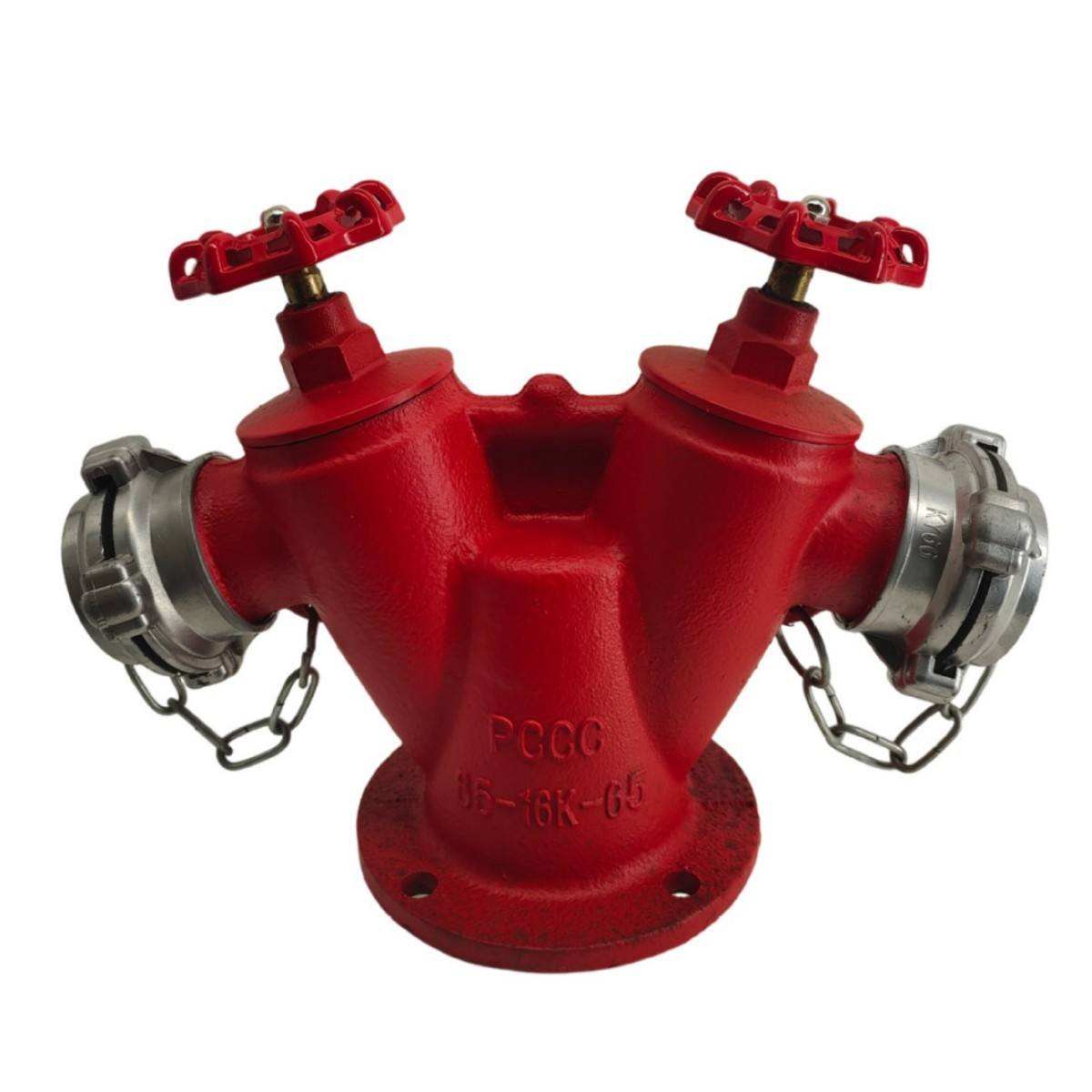
How to use a fire hydrant?
Complete Guide to Fire Hydrant Use_Operation Process and Emergency Skills for Indoor and Outdoor Fire Hydrants
This article explains the standard operation steps of indoor and outdoor fire hydrants in detail, including fire hydrant cabinet opening, hose connection, valve opening and closing, fire extinguishing operation and reset process. It also introduces emergency use skills and safety precautions in different scenarios, suitable for fire operation training in industrial, civil and commercial buildings.
Practical Guide to Fire Hydrant Use: Complete Process from Cabinet Opening to Fire Extinguishing, Standard Operation Ensures Safety
A fire hydrant is a fixed fire water supply facility, divided into indoor fire hydrants and outdoor fire hydrants, and is the core equipment for fighting initial building fires. Its use must follow the core principles of "quick cabinet opening, correct connection, slow valve opening, and precise fire extinguishing". Incorrect operation may lead to safety accidents such as personal injury from water pressure impact and hose burst. This article comprehensively explains the correct use of fire hydrants from five dimensions: fire hydrant types and applicable scenarios, indoor fire hydrant operation process, outdoor fire hydrant operation process, safety precautions, post-use reset and maintenance.I. Types and Applicable Scenarios of Fire Hydrants
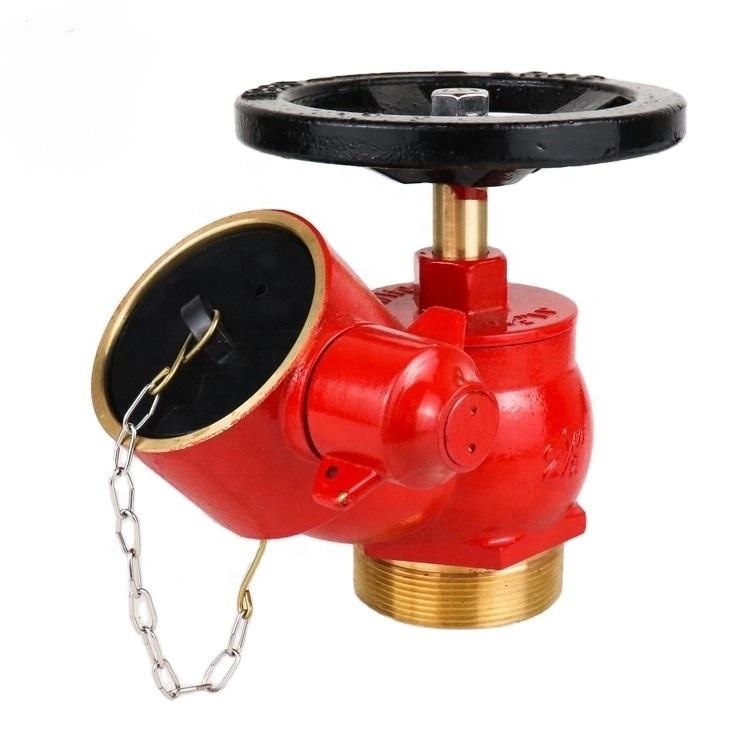
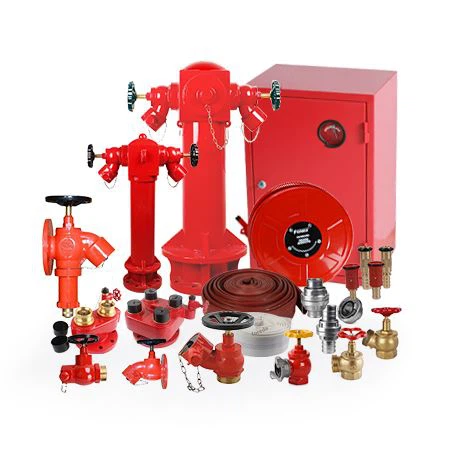
Fire hydrants are divided into two categories according to installation location and structure, and there are obvious differences in operation methods and applicable scenarios between different types.- Indoor Fire Hydrant
- Structural Components: Fire hydrant cabinet, fire hydrant valve, fire hose, water gun, fire hose reel (equipped in some models).
- Applicable Scenarios: Inside buildings such as office buildings, shopping malls, residences, and industrial plants, used for fighting initial fires inside buildings, with a water supply pressure usually ranging from 0.3-0.6MPa.
- Core Features: Integrated design, with hoses and water guns pre-installed in the cabinet together with the fire hydrant valve, easy to operate and suitable for quick mastery by personnel.
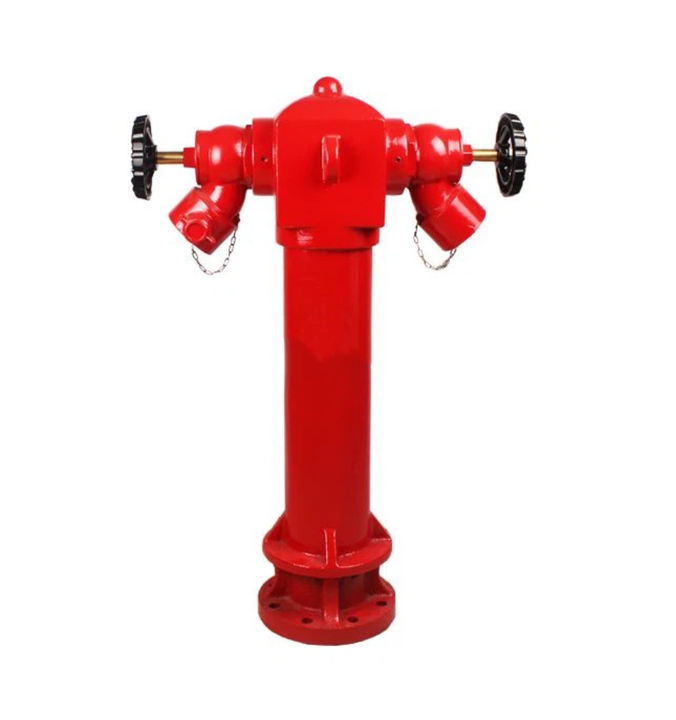
- Outdoor Fire Hydrant
- Structural Components: Underground/above-ground fire hydrant body, valve stem, water outlet, blank cap, fire wrench.
- Applicable Scenarios: Outdoor areas such as municipal roads, industrial parks, and warehouse peripheries, used for supplying water to fire engines or directly connecting hoses to fight outdoor fires, with a water supply pressure usually ranging from 0.6-1.0MPa.
- Core Features: Strong weather resistance, requires operation with a special fire wrench, and some models can connect multiple hose interfaces at the same time.
II. Standard Operation Process of Indoor Fire Hydrants (Two-Person Cooperation is Optimal)
Indoor fire hydrants are the most commonly used fire-fighting facilities in buildings. The operation process is divided into four core steps: cabinet opening and item taking, connection and assembly, valve opening and water supply, aiming and fire extinguishing. Two-person cooperation can greatly improve efficiency.- Step 1: Open the Cabinet and Take Items for Quick Preparation
- One person quickly opens the fire hydrant cabinet door, presses the fire alarm button inside the cabinet (if available), and notifies the fire control room and personnel evacuation.
- Take out the fire hose and water gun from the cabinet, check that the hose is free of damage, the interface sealing rubber ring is intact, and the water gun nozzle is unobstructed.
- Step 2: Connect and Assemble to Ensure Firmness
- Single-Person Operation: Align the interface at one end of the hose with the fire hydrant valve outlet, tighten clockwise (internal thread type interface) or press and lock (quick-connect type interface), then connect the other end of the hose to the water gun firmly.
- Two-Person Operation: One person holds one end of the hose to connect with the fire hydrant valve, the other person holds the other end of the hose to straighten it to avoid twisting and kinking, and completes the connection with the water gun at the same time.
- Key Point: After connection, pull the interface to confirm no loosening to prevent water leakage or falling off during water supply.
- Step 3: Open the Valve for Water Supply and Pressurize Slowly
- The operator stands on the side of the fire hydrant valve (strictly prohibit facing the water outlet directly to prevent personal injury from water pressure impact), and slowly rotates the fire hydrant valve handwheel counterclockwise.
- First open 1/3 of a turn. After the hose is filled with water and there is no abnormality (no burst, no water leakage), gradually open the valve fully. It is strictly prohibited to open it fully at one time (high-pressure water flow may cause hose burst or water gun detachment).
- If the water pressure is insufficient, notify the fire control room to start the fire pump for pressurization.
- Step 4: Aim and Extinguish Fire with Precision
- The water gun operator stands firm with feet shoulder-width apart, and aims the water gun at the base of the fire source (not the upper part of the flame).
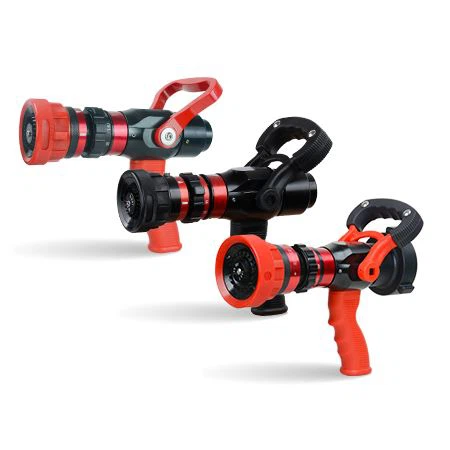
- Press the water gun switch, first cover the periphery of the fire source in spray mode to cool down and control the fire, then switch to direct current mode to directly hit the base of the fire source until the flame is completely extinguished.
- During fire extinguishing, keep the hose straight to avoid poor water flow caused by bending; if you need to move, close the fire hydrant valve first, drain the water in the hose, and then move.
III. Standard Operation Process of Outdoor Fire Hydrants (Special Tools Required)
The operation of outdoor fire hydrants requires a fire wrench, suitable for fighting large-area outdoor fires or supplying water to fire engines. The operation process is as follows:- Step 1: Prepare Tools and Clear the Surroundings
- Take out the special fire wrench and supporting fire hoses and water guns, clear obstacles around the fire hydrant (such as debris, vehicles) to ensure sufficient operating space.
- If it is an underground fire hydrant, first open the manhole cover, clear water and debris in the well, and expose the fire hydrant body.
- Step 2: Connect the Hose and Install the Interface
- Use a fire wrench to unscrew the blank cap of the fire hydrant water outlet, and connect the interface at one end of the hose to the water outlet firmly (outdoor fire hydrants are mostly external thread interfaces, which need to be connected to the hose with an adapter).
- If supplying water to a fire engine, directly connect the fire engine's suction pipe to the fire hydrant water outlet.
- Step 3: Open the Valve and Adjust Water Pressure
- Put the fire wrench on the fire hydrant valve stem, rotate the wrench counterclockwise, and slowly open the valve (underground fire hydrants need to be rotated multiple times to fully open).
- Observe the state of the hose. After confirming no water leakage or burst, gradually increase the opening angle until the required water pressure is reached.
- Step 4: Fire Extinguishing Operation and Water Supply on Demand
- After connecting the water gun, put out the fire by aiming at the base of the fire source according to the indoor fire hydrant fire extinguishing method; if supplying water to a fire engine, after the fire engine's water tank is full, close the fire hydrant valve first, then disassemble the suction pipe.
- Multiple water outlets can be connected to hoses at the same time to meet the needs of multi-point fire extinguishing.
IV. Safety Precautions for Fire Hydrant Use
Fire hydrant operation involves high-pressure water flow, and safety specifications must be strictly followed to avoid personal injury and equipment damage.- Pre-Operation Safety Preparation
- Operators must wear protective gloves and goggles to prevent hand scratches from interfaces or eye injury from high-pressure water splashes.
- Confirm that there is no flammable and explosive gas leakage at the fire scene to avoid explosion caused by water flow impact.
- Evacuate irrelevant personnel around the fire and delineate a safe operating area.
- Safety Specifications During Operation
- When opening the fire hydrant valve, the operator must stand on the side, strictly prohibit facing the water outlet or hose interface directly to prevent personal injury from high-pressure water flow injection due to interface falling off.
- When laying the hose, avoid sharp objects and high-temperature equipment to prevent the hose from being punctured or scalded.
- It is strictly prohibited to aim the water gun at personnel for injection, as high-pressure water flow may cause serious personal injury.
- Safe Operation in Special Scenarios
- High-Rise Buildings: When using indoor fire hydrants, pay attention to the layered water supply pressure to avoid hose burst due to excessive water pressure on lower floors, and start the booster pump in time when the water pressure on upper floors is insufficient.
- Low-Temperature Environments: After using outdoor fire hydrants, completely drain the internal water to prevent freezing and expansion from damaging the valve body; indoor fire hydrants need to be properly insulated to avoid valve freezing and cracking.
- Corrosive Environments: For fire hydrants in coastal or chemical areas, check whether the interfaces are rusted before operation, apply anti-rust oil before connection to prevent the interfaces from seizing and being unable to disassemble.
V. Post-Use Reset and Daily Maintenance of Fire Hydrants
Fire hydrants need to be reset in time after use, and daily maintenance is the key to ensuring their emergency reliability.- Post-Use Reset Steps
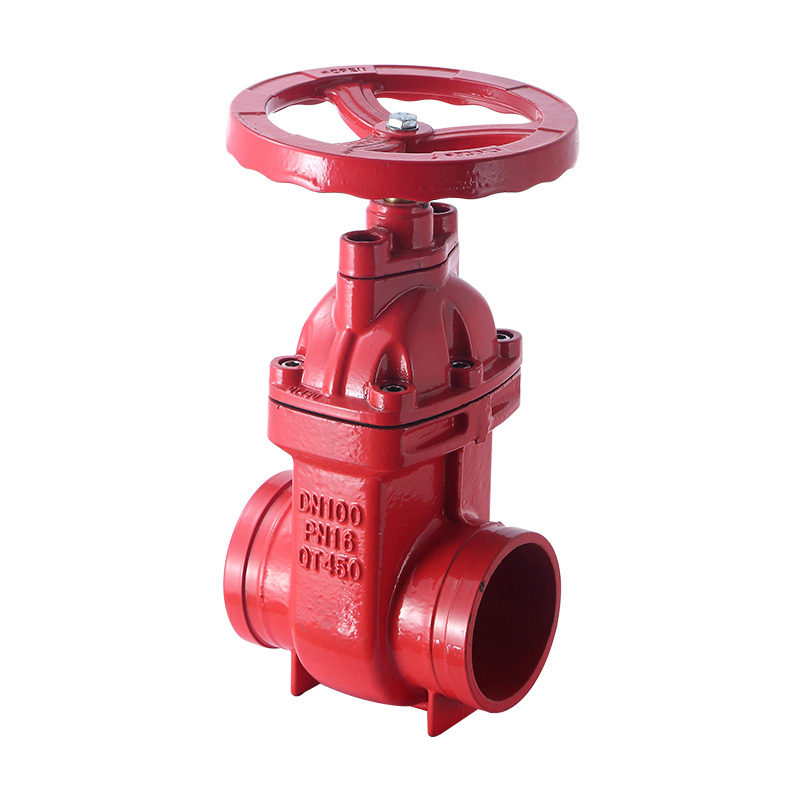
- Close the Valve: Rotate the fire hydrant valve handwheel clockwise to completely close the water source and ensure no residual water leakage.
- Disassemble and Clean: Disassemble the hose and water gun, drain the water in the hose, rinse it with clean water and dry it.
- Return and Store: Roll the dried hose neatly, put it back into the fire hydrant cabinet together with the water gun, and close the cabinet door; for outdoor fire hydrants, screw on the blank cap, and for underground fire hydrants, cover the manhole cover and make a good mark.
- Report and Record: Report the usage to the fire control room or safety management department, and record the usage time, reason, equipment status and other information.
- Daily Maintenance Specifications
- Regular Inspection: Check monthly whether the indoor fire hydrant cabinet door is intact, the hose is free of damage, and the valve opens and closes flexibly; conduct a water discharge test on outdoor fire hydrants every quarter to check the water pressure and water outlet status.
- Seal Maintenance: Replace the interface sealing rubber ring regularly to prevent aging and water leakage; add lubricating oil to the valve stem of outdoor fire hydrants to ensure smooth rotation.
- Validity Management: The service life of fire hoses is 3-5 years, and they must be replaced compulsorily after expiration; the fire hydrant valve seals are inspected every 2-3 years and replaced in a timely manner when aging.
Core Summary
The core usage logic of fire hydrants is "firm connection is the premise, slow valve opening is the key, precise fire extinguishing is the core, and reset maintenance is the guarantee". Indoor fire hydrants need to focus on rapid assembly and collaborative operation, while outdoor fire hydrants require proficient use of special tools and proper environmental cleaning.Whether for daily training or emergency operations, strictly following the standard process can not only improve fire extinguishing efficiency but also avoid safety accidents. For enterprise safety managers and fire operators, proficiently mastering the correct use of fire hydrants is an important skill to protect building fire safety.