English
 日本語
日本語 Tiếng Việt
 繁體中文
繁體中文 بالعربية
 Արմենյան
 한국어
한국어 Русский
 Türkçe
 คนไทย
คนไทย nederlands
 Română
 Gaeilgenah Éireann
 Português
 Indonesia
 Polski
 Español
 magyar
 Nederlands
 हिंदी
हिंदी Eesti
Eesti
What should be noted before using a fire hydrant?
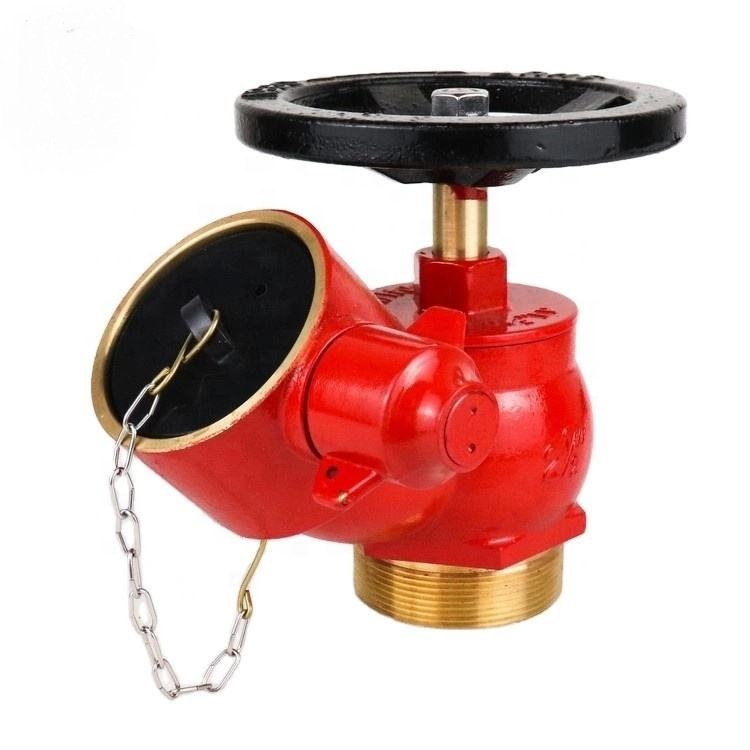
What should be noted before using a fire hydrant?
Must-Check Items Before Fire Hydrant Use_Guide to Indoor and Outdoor Hydrant Status and Safety Preparation
This article focuses on the core pre-use inspection points of fire hydrants (indoor/outdoor), covering four dimensions: facility integrity, accessory effectiveness, water pressure reliability, and environmental safety. It details pretreatment requirements in special scenarios to ensure the efficiency and safety of initial fire fighting.
Complete Inspection Checklist Before Fire Hydrant Use: 7 Core Points to Eliminate Emergency Water Supply Failures
As a core fixed fire water supply facility, the pre-startup status of a fire hydrant directly determines the success or failure of fire fighting. Ignoring key inspections before use may lead to fatal problems such as valve jamming, interface leakage, insufficient water pressure, and missing accessories. It is necessary to strictly follow the four principles of "intact facilities, complete accessories, up-to-standard water pressure, and safe environment" to complete comprehensive inspection and pre-treatment of indoor and outdoor fire hydrants. This article sorts out the must-check items before fire hydrant use from seven dimensions: facility body inspection, accessory integrity verification, water pressure effectiveness verification, environmental safety cleaning, special scenario pre-treatment, personnel safety preparation, and compliance confirmation.I. Facility Body Inspection: Confirm No Faults in Core Components of Fire Hydrants
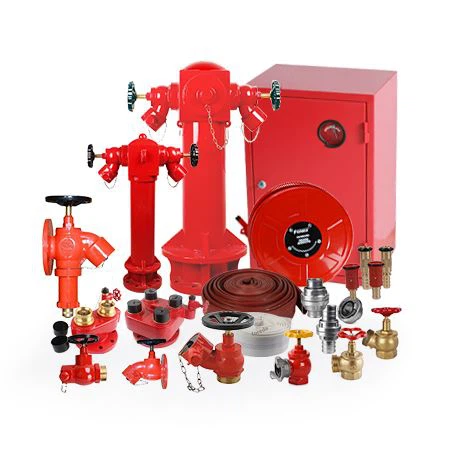
The integrity of the fire hydrant body is the basis of water supply. It is necessary to distinguish between indoor and outdoor types and conduct targeted inspections of key structures.- Indoor Fire Hydrant Body Inspection
- Fire Hydrant Cabinet: The cabinet door opens flexibly without deformation or locking (can be broken in emergency situations); the internal identification is clear, specifying the operation steps and responsible person.
- Fire Hydrant Valve: The valve stem is free of rust and jamming, and rotates counterclockwise/clockwise smoothly; the valve has good sealing performance, with no water seepage or leakage when closed.
- Water Outlet: The interface thread is intact without deformation or damage; the built-in sealing rubber ring is not missing or aging and cracking, ensuring a tight connection with the fire hose.
- Outdoor Fire Hydrant Body Inspection
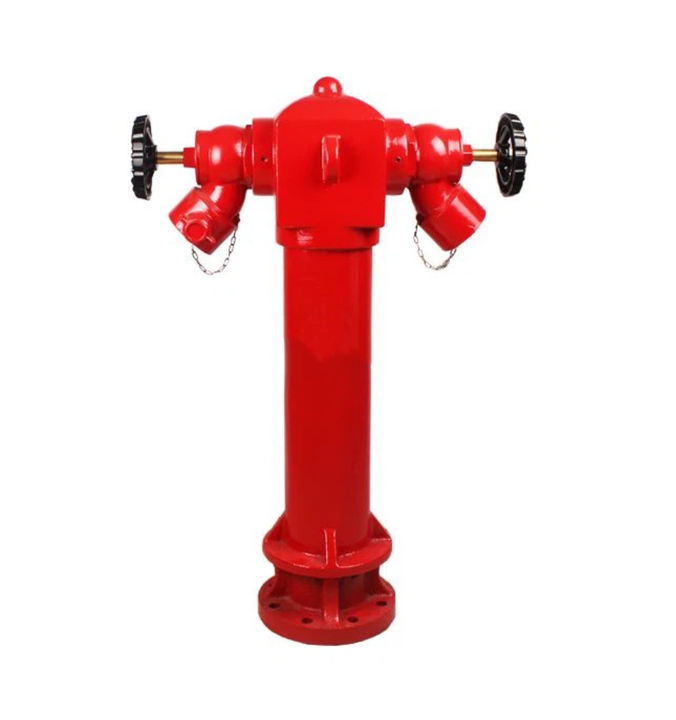
- Above-Ground Fire Hydrant: The valve body is free of rust and collision deformation; the valve cap is tightly sealed without water or debris ingress; the drain port functions normally, and can drain residual water in time after opening the valve.
- Underground Fire Hydrant: The manhole cover is easy to open, and there is no water accumulation or sludge debris in the well; the valve body is firmly connected to the valve stem, and the supporting fire wrench can accurately engage with the valve stem without slipping during rotation.
II. Accessory Integrity Verification: Ensure Complete and Effective Fire-Fighting Components
The fire-fighting function of the fire hydrant depends on the coordinated work of supporting accessories. Before use, it is necessary to inspect the status and matching of each accessory item by item.- Core Accessory Inspection (Exclusive to Indoor Fire Hydrants)
- Fire Hose: No damage, no aging and stickiness, no thread jumping in the braided layer; the length matches the protected area (common specifications: 20m/25m); the caliber (DN50/DN65) is fully compatible with the fire hydrant water outlet and water gun.
- Fire Water Gun: The nozzle is unobstructed and not deformed; the switch valve opens and closes smoothly, and the direct current/spray mode switches normally; the interface sealing rubber ring is intact.
- Fire Hose Reel (if available): The hose is free of cracks and tangles; the reel rotates flexibly, and the water outlet pressure is stable (rated pressure ≥0.8MPa).
- Special Tool Inspection (Exclusive to Outdoor Fire Hydrants)
- Confirm that the fire wrench specification matches the valve stem, without deformation or rust; spare wrenches are available to prevent on-site tool damage.
- Check whether the adapter (external thread to internal thread type) is intact to ensure a reliable connection between the hose and the outdoor fire hydrant water outlet.
- General Accessory Inspection
- Carry spare sealing rubber rings (same specification) to prevent water leakage due to aging of interface rubber rings; prepare hose straps to avoid loosening after hose connection.
III. Water Pressure Effectiveness Verification: Ensure Water Supply Pressure Meets Fire-Fighting Requirements
Insufficient water pressure is a common cause of fire hydrant fire-fighting failure. Before use, it is necessary to confirm that the water pressure meets the standard through visual inspection or testing.- Static Water Pressure Inspection
- Indoor Fire Hydrant: Observe the pressure gauge (if available), the static pressure value should be ≥0.3MPa to meet the fire-fighting pressure requirement at the most unfavorable point; if there is no pressure gauge, the valve can be slowly opened 1/4 turn to observe the water jet force (a range of ≥5m is qualified).
- Outdoor Fire Hydrant: After opening the valve, the water flow should be jetted in a column shape without obvious attenuation; the static pressure of municipal outdoor fire hydrants is usually ≥0.6MPa, which can meet the needs of fire engine water supply or direct fire fighting.
- Dynamic Water Pressure Test (When Conditions Permit)
- Connect the hose and water gun, test the water gun range after opening the valve: the effective range in direct current mode is ≥10m, and the coverage area in spray mode is ≥3m², which means the water pressure is up to standard.
- If the water pressure is insufficient, immediately notify the fire control room to start the fire pump for pressurization, or contact the municipal water supply department to investigate the pipe network pressure problem.
IV. Environmental Safety Cleaning: Eliminate Obstacles to Hose Laying and Operation
The cleanliness of the environment around the fire hydrant directly affects the operation efficiency. Before use, it is necessary to quickly clear obstacles and plan the hose laying path.- Peripheral Obstacle Cleaning
- Remove obstacles such as debris, goods, and vehicles in front of the fire hydrant cabinet/around the outdoor fire hydrant to ensure that there is no obstruction within at least 1.5m and sufficient operating space is available.
- Clear sharp objects (iron nails, glass, gravel), oil stains, and accumulated water on the hose laying path to prevent the hose from being punctured or personnel from slipping.
- Path Planning Confirmation
- Confirm that the hose laying path is free of bends and tangles and can directly reach the fire source area; avoid high-temperature equipment and flammable and explosive storage areas to prevent the hose from being burned or causing secondary accidents.
- When using in high-rise buildings, confirm that the stairwells and corridors are unobstructed, and the hose can be laid vertically along the stairs or exterior walls without jamming risk.
V. Special Scenario Pre-Treatment: Targeted Solutions to Environmental Adaptation Problems
When using fire hydrants in special environments such as low temperature, high temperature, and corrosion, pre-treatment measures need to be taken in advance to avoid facility failure.- Low-Temperature Environment (<0℃) Pre-Treatment
- Indoor Fire Hydrant: Check whether the valve and pipeline are frozen. If frozen, thaw slowly with warm water, strictly prohibit baking with open flame to prevent pipeline burst.
- Outdoor Fire Hydrant: Before opening the valve, unscrew the drain port to discharge accumulated ice; after use, thoroughly drain the residual water in the pipeline and close the drain port to prevent the valve body from being damaged by re-freezing.
- High-Temperature Environment (>40℃) Pre-Treatment
- Check whether the fire hydrant cabinet is exposed to the sun. If the cabinet temperature is too high, cool it with a wet cloth to prevent aging of internal accessories; when laying the hose, avoid contact with the surface of high-temperature equipment, and use thermal insulation pads for protection.
- Corrosive Environment (Coastal/Chemical Plant) Pre-Treatment
- Check the corrosion of the valve body and interface of the outdoor fire hydrant. If the corrosion is severe, replace the water source with a spare one first; apply anti-rust oil to the interface before connection to enhance sealing performance.
- When using in chemical areas, confirm that the fire hydrant water supply is clean water, avoid contact with corrosive media, and prevent corrosion and water leakage of the pipeline inner wall.
VI. Personnel Safety Preparation: Implement Protective Measures and Emergency Division of Labor
Fire hydrant operation involves high-pressure water flow, so personnel protection and division of labor need to be done in advance to avoid operation accidents.- Personal Protective Equipment Preparation
- Operators must wear protective gloves (to prevent interface scratches) and goggles (to prevent eye injury from high-pressure water splashes); safety belts must be worn during high-altitude operations to prevent falling caused by hose dragging.
- Equip with an emergency first-aid kit to handle personnel scratches and scalds in a timely manner if they occur.
- On-Site Personnel Division of Labor Confirmation
- Clarify the responsibilities of the valve operator, hose layer, and water gun shooter: the valve operator is responsible for slowly opening the valve and monitoring water pressure; the hose layer is responsible for straightening the hose and eliminating bends; the water gun shooter is responsible for aiming at the fire source and extinguishing the fire accurately.
- Assign a special person to be responsible for on-site warning, evacuate irrelevant personnel, delineate a safe operating area, and prevent accidental injury to others caused by water gun spraying or hose bursting.
VII. Compliance Confirmation: Ensure Fire Hydrants Meet Safety Standards
Before use, it is necessary to quickly confirm the compliance of the fire hydrant to avoid using unqualified or expired facilities.- Validity Period and Certification Inspection
- Check whether the fire hydrant has a CCCF fire product certification certificate; non-standard products without certification are strictly prohibited from use.
- Confirm that the fire hydrant's maintenance record is complete, and the last inspection is qualified and within the validity period (usually inspected every six months).
- Linkage Function Confirmation (Intelligent Fire Hydrant)
- For intelligent fire hydrants, check whether they are connected to the fire control room network. When the valve is opened, an alarm signal can be automatically triggered to notify fire personnel to arrive at the scene for support in a timely manner.
Core Summary
The core precautions before fire hydrant use can be summarized as "Four Inspections, Three Preparations, and One Confirmation":- Four Inspections: Inspect the facility body (valve, interface), inspect the completeness of accessories (hose, water gun, wrench), inspect the water pressure compliance (static/dynamic pressure), inspect the environmental safety (no obstruction, no obstacles);
- Three Preparations: Prepare protective equipment, prepare spare accessories (rubber rings, adapters), prepare emergency division of labor;
- One Confirmation: Confirm compliance and linkage function are normal.