English
 日本語
日本語 Tiếng Việt
 繁體中文
繁體中文 بالعربية
 Արմենյան
 한국어
한국어 Русский
 Türkçe
 คนไทย
คนไทย nederlands
 Română
 Gaeilgenah Éireann
 Português
 Indonesia
 Polski
 Español
 magyar
 Nederlands
 हिंदी
हिंदी Eesti
Eesti
How to select a suitable fire hydrant for different environments?
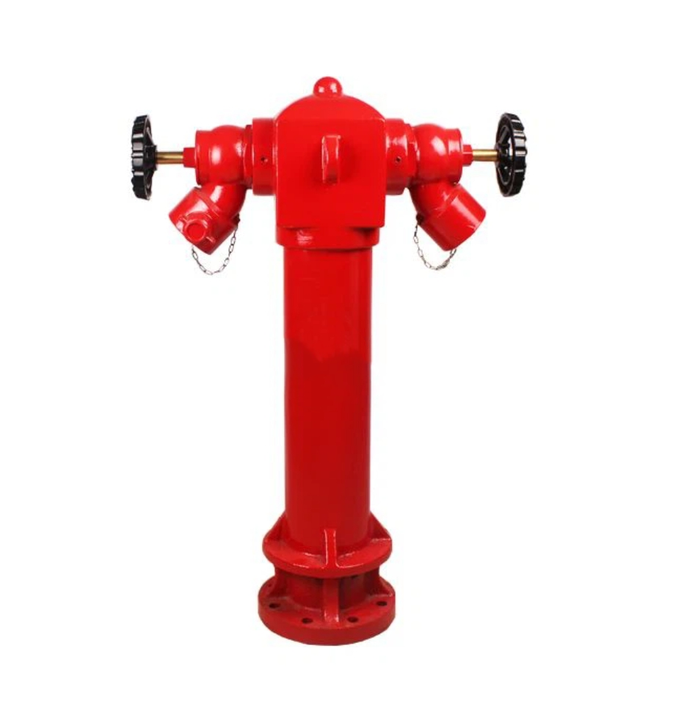
How to select a suitable fire hydrant for different environments?
Fire Hydrant Selection Guide for Different Environments_Material, Structure and Parameter Adaptation Solutions
This article focuses on the environment-adaptive selection strategy of fire hydrants. Combined with scenarios such as industrial plants, commercial buildings, municipal roads, high-low temperature and corrosive environments, it provides targeted selection solutions from four dimensions: fire hydrant type, material, pressure parameter, and anti-freezing and anti-corrosion design, to improve the reliability and safety of fire water supply.
Fire Hydrant Selection Guide for Different Environments: Choose the Right Structure and Material According to Scenarios to Ensure Stable Emergency Water Supply
The core logic of fire hydrant selection is "scenario adaptation, function matching, and environmental tolerance". Different environments vary in spatial structure (indoor/outdoor, high-rise/low-rise), climatic conditions (temperature, humidity), medium characteristics (clear water/foam mixture) and fire risk levels, which directly determine the type, material, pressure parameters and additional protective design of fire hydrants.The selection must follow three core principles:
- Spatial Adaptation Principle: Determine the fire hydrant structure type according to the installation location (indoor/outdoor), and prioritize integrated or weather-resistant designs.
- Environmental Tolerance Principle: Select the main material and protective technology according to extreme conditions such as temperature and corrosion to ensure long-term stable operation.
- Pressure Matching Principle: Determine the rated working pressure according to fire fighting needs (initial fire control/large-area fire extinguishing) to match the water supply capacity of the pipe network.
I. Indoor Enclosed Environment (Office Buildings, Shopping Malls, Residences, Factory Workshops)
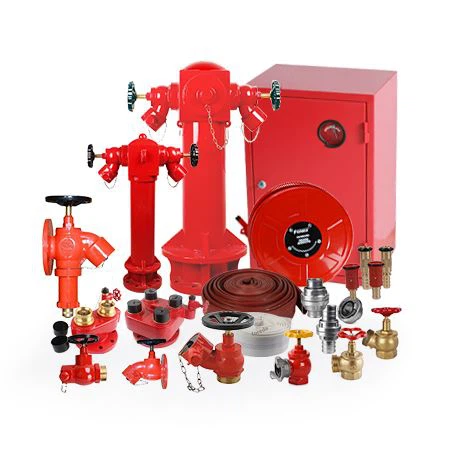
Environmental Characteristics: Closed space, dense personnel, fast fire spread speed, requiring rapid start of initial fire extinguishing, stable water supply pressure (0.3-0.6MPa), and high requirements for equipment integration.Core Selection Criterion: Integration, portability, and quick operation, prioritizing box-type complete set fire hydrants.- Recommended Type: Indoor Fire Hydrant Cabinet Complete Set
- Structural Components: Fire hydrant valve + fire hose + water gun + fire hydrant cabinet (including alarm button), some can be equipped with fire hose reels.
- Material Selection:
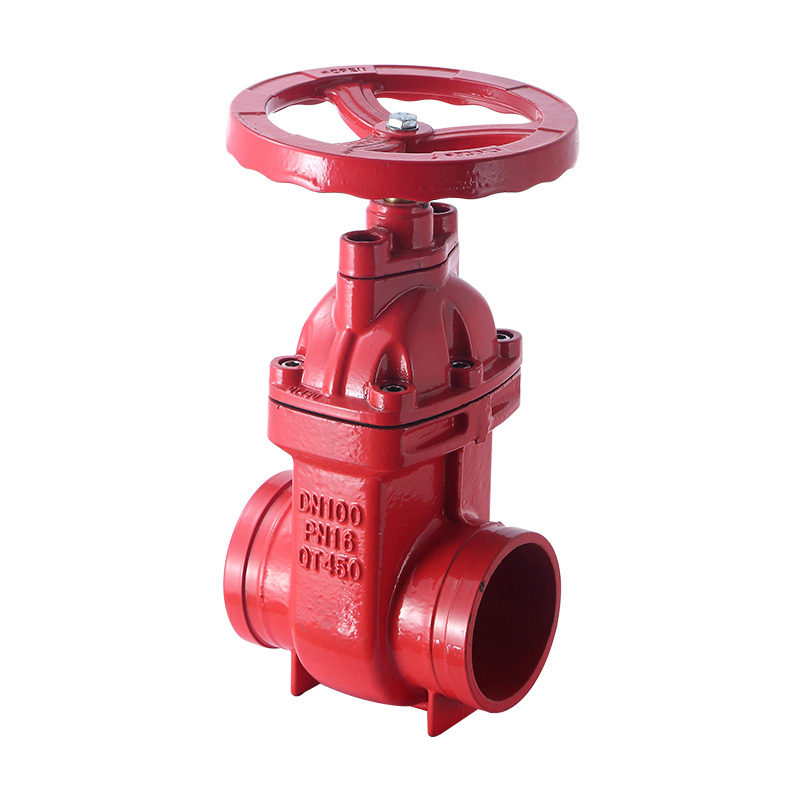
- Valve Body: Ductile Iron QT450, high strength, impact resistance, suitable for indoor dry environment.
- Interface: Brass Alloy, rust-proof, good sealing performance, ensuring firm hose connection.
- Core Parameters:
- Nominal Caliber: DN65 (mainstream specification, suitable for DN65 hoses).
- Rated Working Pressure: 1.0MPa (meets indoor pipe network pressure requirements, with pressure-resistant redundancy).
- Connection Method: Internal thread interface, easy to operate, suitable for non-professionals to quickly master.
- Scenario-Specific Selection
- High-Rise Buildings (>27m residential buildings/>50m public buildings): Select zoned pressure-reducing indoor fire hydrants equipped with pressure-reducing and stabilizing valves to ensure balanced water pressure between high and low floors, avoiding hose burst on low floors and insufficient water pressure on high floors.
- Large Shopping Malls/Densely Populated Areas: Select fire hydrant cabinets with fire hose reels. The lightweight hose (caliber DN25) is easy to operate, suitable for extinguishing initial small fires, and reducing the threshold for personnel operation.
- Industrial Factories (high dust/humidity): Select sealed fire hydrant cabinets with dustproof and waterproof sealing strips, protection grade ≥IP54, to prevent dust from entering the valve body and causing jamming.
II. Outdoor Municipal Environment (Municipal Roads, Park Plazas, Periphery of Residential Communities)
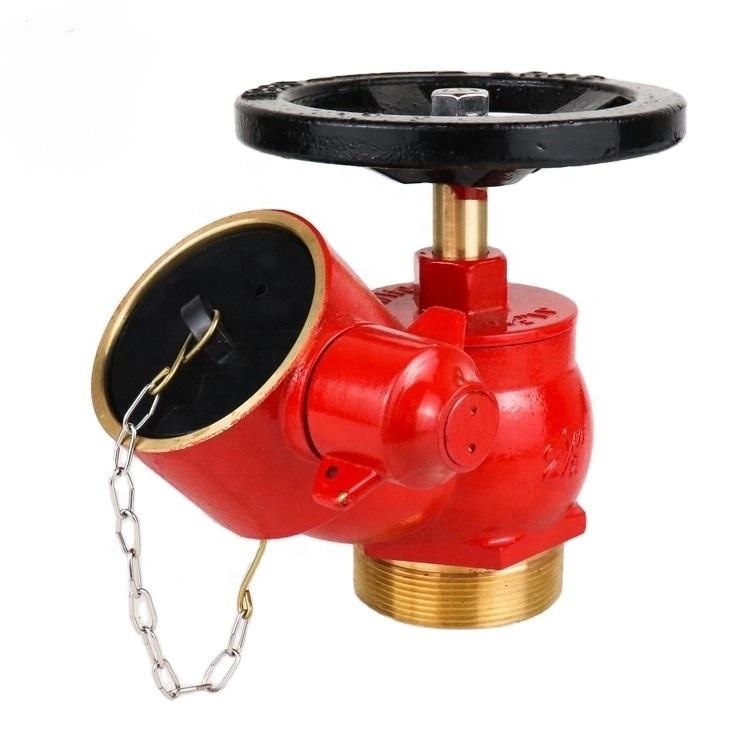
Environmental Characteristics: Open-air installation, variable climate, high risk of vehicle rolling or human collision, need to supply water to fire engines or directly extinguish outdoor fires, with high water supply pressure (0.6-1.0MPa).Core Selection Criterion: Strong weather resistance, impact resistance, and smooth drainage, with two types of selection: above-ground and underground.- Above-Ground Fire Hydrant (Recommended Scenarios: Main Roads, Squares, Green Belts)
- Advantages: Easy to operate, no excavation required, suitable for fire engines to quickly take water.
- Material Selection:
- Valve Body: Ductile Iron QT500, better impact resistance than QT450, can withstand slight collisions.
- Water Outlet Blank Cap: Stainless Steel 304, preventing rainwater and debris from entering the valve body.
- Core Parameters:
- Nominal Caliber: DN100/DN150 (large-caliber design, meeting the large-flow water supply demand of fire engines).
- Rated Working Pressure: 1.6MPa, suitable for high-pressure water supply of municipal pipe networks.
- Additional Design: Built-in automatic drain valve, which automatically drains residual water in the valve body after closing the valve to prevent freezing and cracking.
- Underground Fire Hydrant (Recommended Scenarios: Roadways, Parking Lots, Collision-Prone Areas)
- Advantages: The valve body is buried underground, avoiding damage from vehicle rolling, and higher safety.
- Material Selection:
- Valve Body: Ductile Iron QT500 + Epoxy Anti-Corrosion Coating, enhancing corrosion resistance in underground humid environments.
- Manhole Cover: Heavy-Duty Cast Iron Manhole Cover, load-bearing grade ≥C250, can withstand rolling of heavy vehicles.
- Core Parameters:
- Nominal Caliber: DN100/DN150, consistent with above-ground type.
- Operation Method: Equipped with special fire wrench, valve stem length adapted to burial depth (usually 0.8-1.2m).
- Additional Design: A sump and drainage channel are set in the well to prevent rainwater accumulation and immersion of the valve body.
III. Extreme Climate Environment (Low-Temperature and Frigid Regions, High-Temperature Deserts, Coastal Humidity)
Environmental Characteristics: Large temperature fluctuations, easy freezing in low temperatures, easy aging in high temperatures, high salt spray corrosion in coastal areas, requiring strict anti-freezing, sun protection, and anti-corrosion performance of fire hydrants.Core Selection Criterion: Targeted protective design + weather-resistant materials to avoid equipment failure caused by environmental factors.- Low-Temperature and Frigid Environment (Winter temperature <-10℃, such as northern forest areas and pastoral areas)
- Core Risk: Residual water in the valve body freezes and expands, causing valve body burst and valve stem jamming.
- Recommended Type: Anti-Freezing Above-Ground Fire Hydrant / Deep-Buried Underground Fire Hydrant
- Selection Points:
- Prioritize large-displacement automatic drain valves, which quickly drain residual water after closing, improving drainage efficiency by more than 50%.
- The burial depth of underground fire hydrants is ≥1.5m to ensure the valve body is below the frozen soil layer; above-ground fire hydrants are equipped with polyurethane insulation sleeves, and the valve stem is filled with anti-freezing grease.
- Material: Ductile iron valve body + low-temperature resistant coating, seals made of EPDM rubber, which can withstand -40℃ low temperature without hardening.
- High-Temperature Desert Environment (Summer temperature >50℃, such as northwest arid areas)
- Core Risk: Valve body aging due to sun exposure, seal deformation and water leakage at high temperatures, and interface thread jamming.
- Recommended Type: Sun Protection Above-Ground Fire Hydrant / Underground Fire Hydrant with Sunshade Cover
- Selection Points:
- The surface of the valve body is sprayed with high-reflectivity sun protection coating (white or light gray) to reduce sunlight absorption rate and prevent excessive temperature of the valve body.
- Seals are made of FKM rubber, which can withstand 200℃ high temperature without aging; high-temperature grease is added to the valve stem to prevent thread jamming.
- Avoid selecting black cast iron valve bodies to prevent excessive temperature and inability to operate after sun exposure.
- Coastal Humid Environment (High Salt Spray, High Humidity, such as ports and islands)
- Core Risk: Salt spray corrosion of valve body and interface, leading to inability to open and close valves and interface water leakage.
- Recommended Type: Stainless Steel Anti-Corrosion Fire Hydrant / Heavy Anti-Corrosion Coating Fire Hydrant
- Selection Points:
- High-End Demand: Select 316 stainless steel valve body, which has better salt spray corrosion resistance than 304 stainless steel, and service life extended to more than 20 years.
- Economic Selection: Ductile iron valve body + hot-dip galvanizing + epoxy zinc-rich coating, double anti-corrosion, salt spray test ≥1000 hours without rust.
- The interface is treated with copper alloy nickel plating to enhance corrosion resistance and ensure the sealing performance of hose connection.
IV. Special Industrial Environment (Chemical Plants, Oil Depots, Metallurgical Plants)
Environmental Characteristics: Complex fire media (oil, flammable chemicals), presence of corrosive gases/liquids, high fire risk level, need to adapt to foam mixture water supply, and high requirements for equipment explosion-proof and anti-corrosion.Core Selection Criterion: Corrosion and explosion resistance, medium compatibility, large-flow water supply, prioritizing special industrial fire hydrants.- Chemical Plants/Acid-Base Corrosion Workshops
- Core Demand: Resist acid-base medium corrosion, adapt to dual-medium water supply of clear water and foam mixture.
- Recommended Type: Fluorine-Lined/Stainless Steel Industrial Fire Hydrant
- Selection Points:
- Strong Corrosion Environment: Select PTFE-lined fire hydrants, the internal fluorine-lined layer of the valve body isolates acid-base media, and the external surface is sprayed with anti-corrosion coating.
- Medium Corrosion Environment: Select 316L stainless steel valve body, acid-base resistant, solvent resistant, suitable for various chemical parks.
- Nominal Pressure: ≥2.5MPa, meeting the high-pressure pipe network water supply demand of industry, and adapting to the pressure requirement of foam proportioner.
- Oil Depots/Gas Stations/Storage Tank Areas
- Core Demand: Large-flow water supply, suitable for foam mixture fire extinguishing, impact resistance, and collision prevention.
- Recommended Type: Anti-Collision Foam Fire Hydrant
- Selection Points:
- Structure: Adopt anti-collision pressure relief design, which automatically relieves pressure after vehicle collision, avoiding secondary accidents caused by valve body burst.
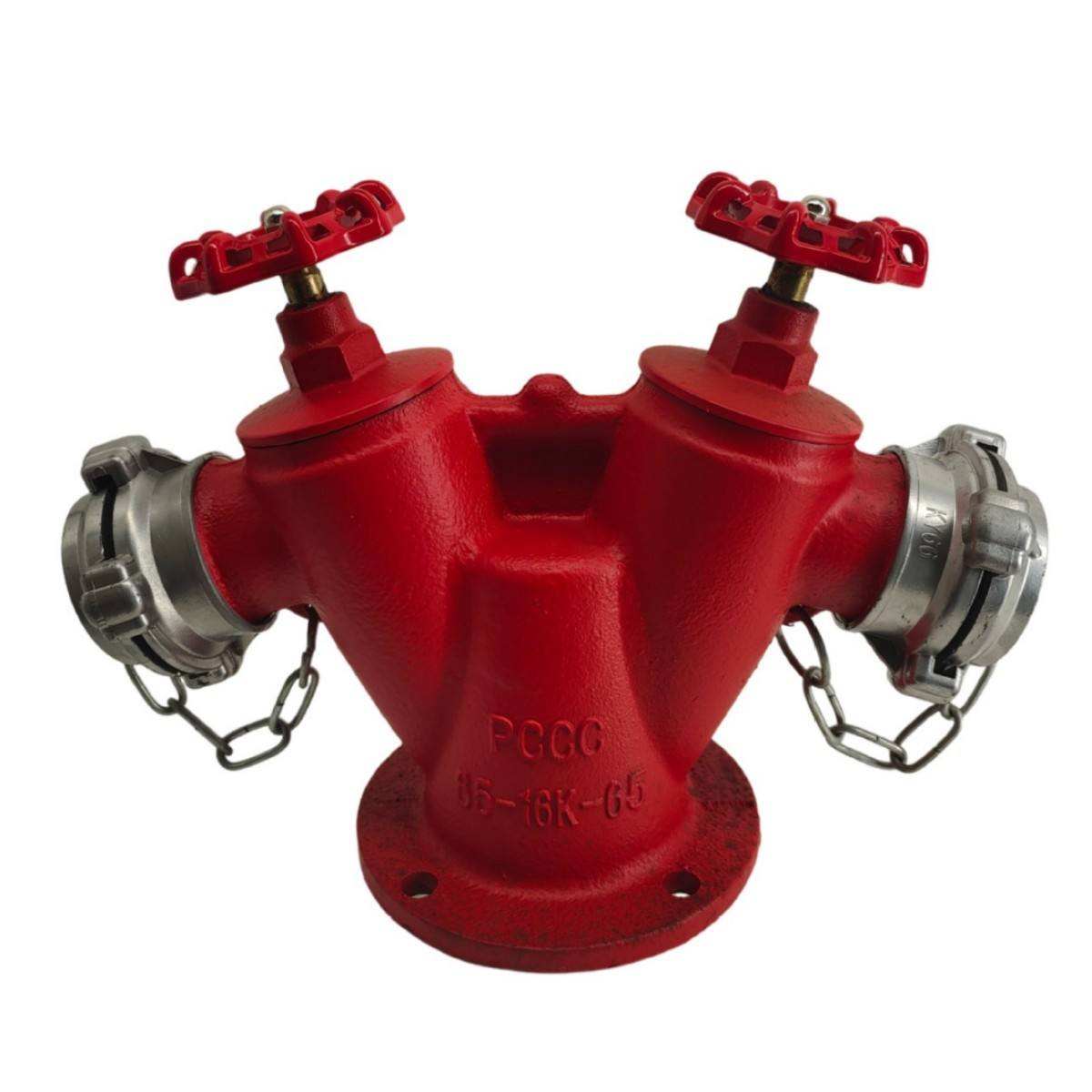
- Interface: Equipped with multiple water outlets (2-3), which can connect hoses and foam guns at the same time to meet multi-point fire extinguishing needs.
- Material: Ductile iron QT500 + epoxy coal tar pitch coating, oil-resistant and corrosion-resistant, suitable for oil depot environment.
- Metallurgical Plants/High-Temperature Equipment Areas
- Core Demand: Resist high-temperature baking, prevent valve body deformation, and adapt to high-pressure cooling water supply.
- Recommended Type: High-Temperature Resistant Heavy-Duty Fire Hydrant
- Selection Points:
- Valve Body Material: Heat-Resistant Ductile Iron, which can withstand 300℃ high-temperature baking without deformation.
- Seals: Adopt graphite packing seal, which has better high-temperature resistance than rubber seals.
- Additional Design: The valve body is equipped with heat insulation protective cover to avoid direct contact with high-temperature equipment.
Core Selection Principle Summary
- Installation Location Determines Structure Type: Box-type complete set fire hydrants for indoor use, underground type for outdoor roadways, and above-ground type for main roads.
- Environmental Conditions Determine Material Technology: Anti-freezing and drainage type for low temperature, stainless steel/heavy anti-corrosion type for coastal areas, and sun protection coating type for high temperature.
- Fire Risk Determines Pressure Parameters: 1.0-1.6MPa for ordinary buildings, 2.5MPa and above for industrial high-pressure pipe networks.
- Medium Type Determines Lining Design: Fluorine-lined type for chemical acid-base environment, foam special type for oil depots, and ductile iron type for conventional environment.
Compliance Notes
- All fire hydrants must comply with the national standard GB 4452-2011 Outdoor Fire Hydrants and GB 3445-2018 Indoor Fire Hydrants, and have CCCF fire product certification certificate.
- Fire hydrants in special industrial environments need to meet additional industry standards, such as petrochemical parks need to comply with SH/T 3023-2011 Code for Design of Fire Water Supply Pipes and Hydrants in Petrochemical Plant Areas.