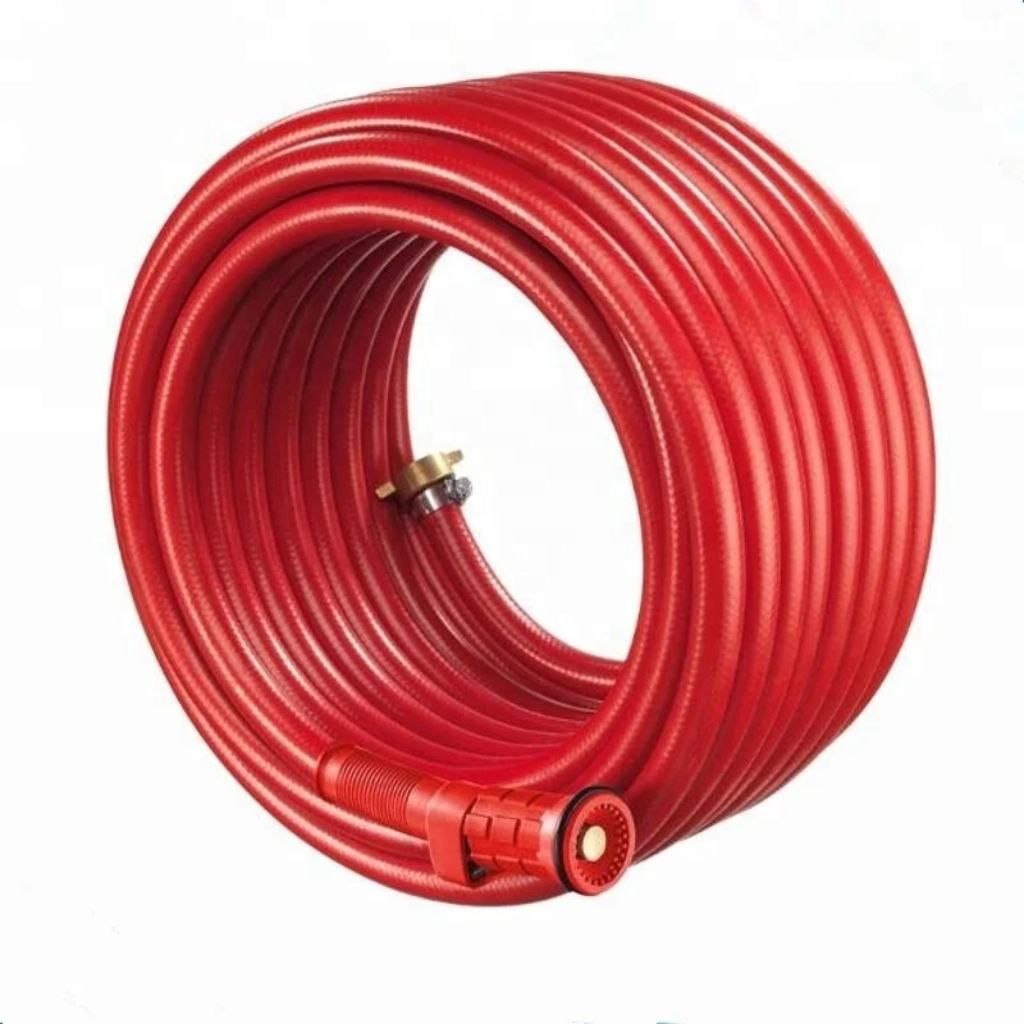
5 Key Precautions Before Using a Fire Hose Reel
A Fire Hose Reel is a critical tool for initial fire fighting.
Comprehensive pre-use inspection and judgment directly determine fire extinguishing efficiency and operational safety. Below are the core precautions that must be followed:
I. First Judge the Fire Type and Select the Correct Reel Type
- Ordinary water-type reels are only suitable for Class A solid fires (wood, paper, cloth, etc.). They are strictly prohibited for live electrical equipment fires and Class B polar solvent fires (methanol, acetone, etc.), as this may cause electric shock or spread the fire.
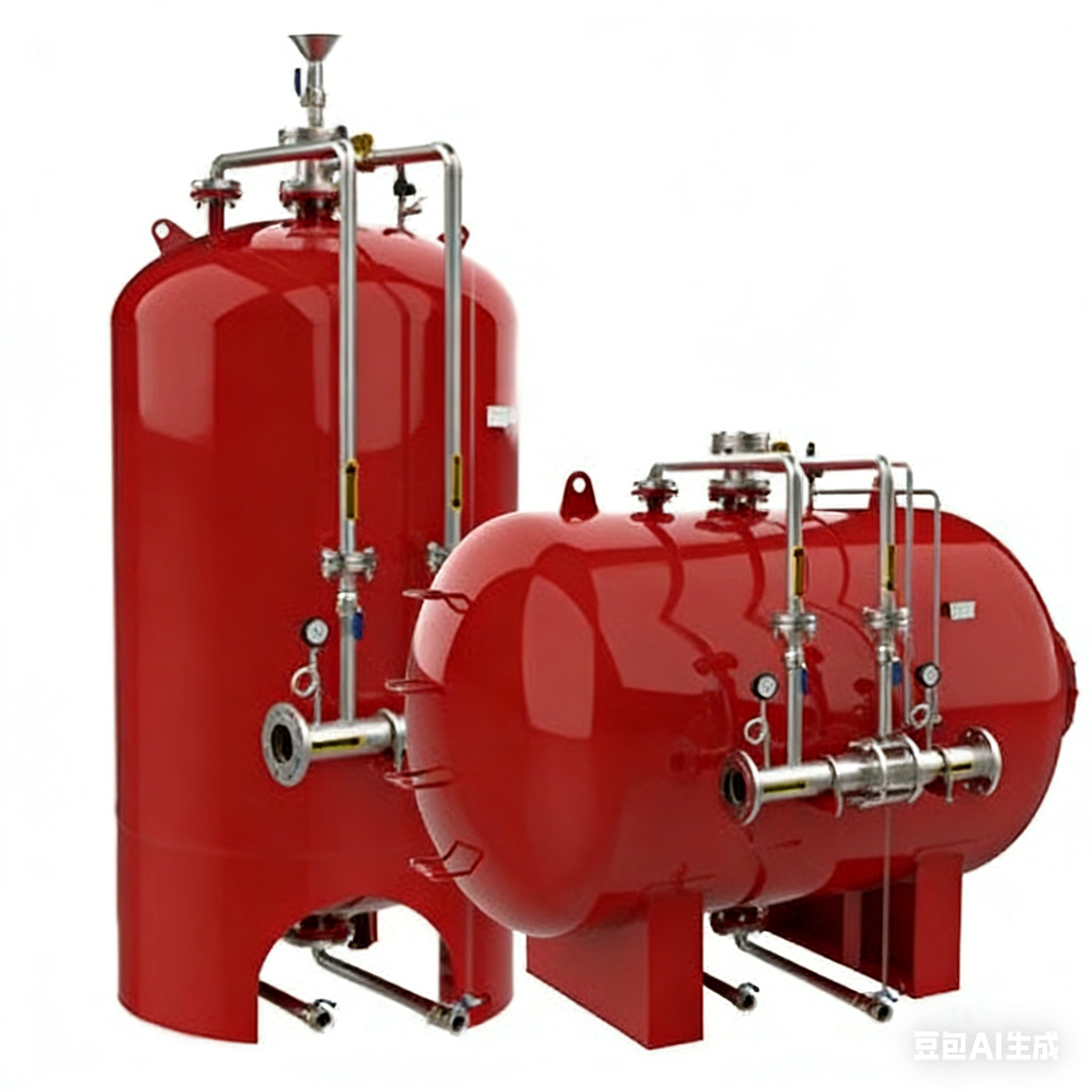
- Foam-type reels can be used for Class A + Class B non-polar liquid fires (gasoline, diesel, etc.). Before use, confirm that it is linked to a foam bladder tank and the foam liquid type is matched. Never mix different types of foam liquids.
- If the fire has spread to the medium stage (flame height >1m, dense smoke), abandon the reel immediately, evacuate quickly and call the fire department.
II. Conduct a Comprehensive Equipment Inspection to Ensure No Faults
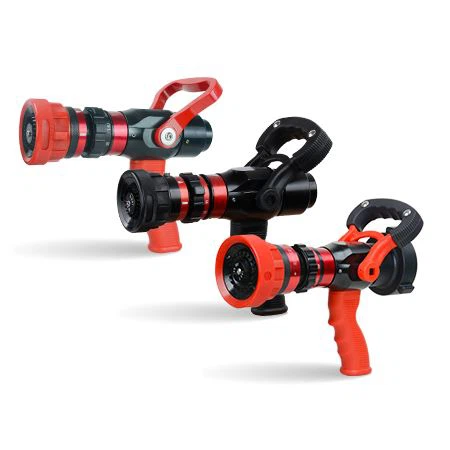
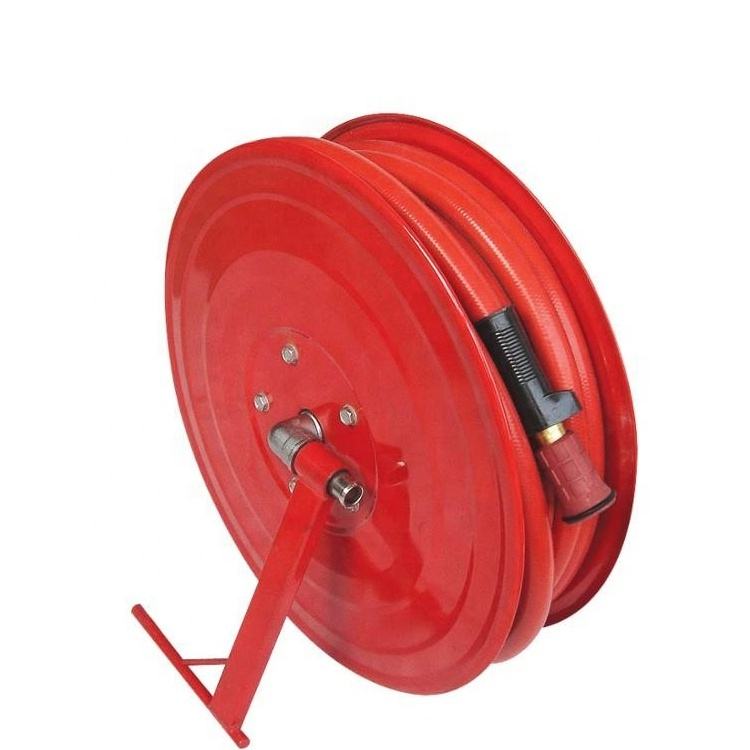
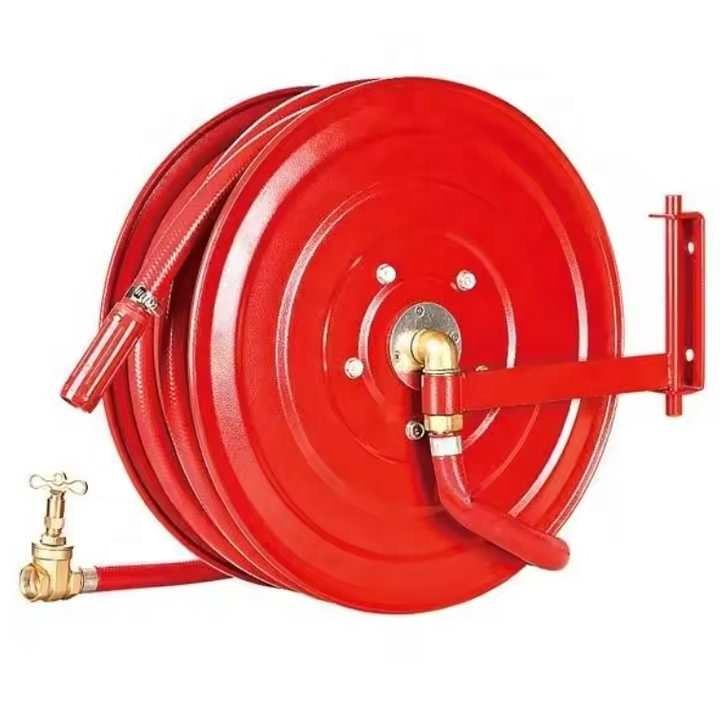
- Appearance Inspection: Open the fire hydrant cabinet door, check that the reel body is free of deformation and rust, the hose is not cracked, damaged or knotted, and the spray gun switch is flexible without blockage.
- Connection Inspection: Confirm that the reel's water supply interface is firmly connected to the fire pipeline network without loosening or water leakage; for foam-type reels, check if the foam mixture pipeline valve is open.
- Function Pre-test: Slowly rotate the water supply ball valve, gently pull the hose to test if it is smooth (no need to fully deploy), confirm that water or foam mixture flows out with normal pressure (report for repair immediately if there is no water output or low pressure).
III. Confirm the Operational Environment is Safe and Choose the Right Standing Position
- Wind Direction Judgment: Always stand upwind of the fire source, maintaining a safe distance of 3 - 8m from the fire (3 - 5m for water-type reels, 5 - 8m for foam-type reels) to avoid burns from high-temperature smoke or flames.
- Site Cleaning: Ensure the hose deployment path is free of obstacles (such as debris, furniture, wires) to prevent the hose from tangling or tripping the operator during pulling.
- Special Requirements for Explosion-Proof Environments: In explosion-proof areas such as chemical plants and gas stations, confirm that the reel is reliably grounded (grounding resistance ≤10Ω), use anti-static hoses, and operators should wear anti-static clothing and insulating gloves.
IV. Clarify Personnel Operation Qualifications to Avoid Misoperation
- Non-professionals can only operate the reel for initial small fires. Before operation, quickly recall the usage steps; never pull the hose blindly or spray randomly.
- When cooperating with multiple people, clarify the division of labor: one person is responsible for opening the water supply valve, and one person is responsible for holding the spray gun to aim, to avoid equipment damage caused by scrambling.
V. Additional Preparations for Special Environments
- Low-Temperature Environments (<-10℃): Check that the hose is not frozen and the reel bearing is not stuck. If necessary, release a small amount of water first to preheat the hose to prevent low-temperature brittle cracking.
- High-Temperature/Coastal Salt Spray Environments: Confirm that the hose is not aged and hardened, and metal components are free of rust and water leakage. Before fire fighting, wipe the spray gun head to remove dust or salt.
Learn More

 English
 日本語
日本語 Tiếng Việt
 繁體中文
繁體中文 بالعربية
 Արմենյան
 한국어
한국어 Русский
 Türkçe
 คนไทย
คนไทย nederlands
 Română
 Gaeilgenah Éireann
 Português
 Indonesia
 Polski
 Español
 magyar
 Nederlands
 हिंदी
हिंदी Eesti
Eesti