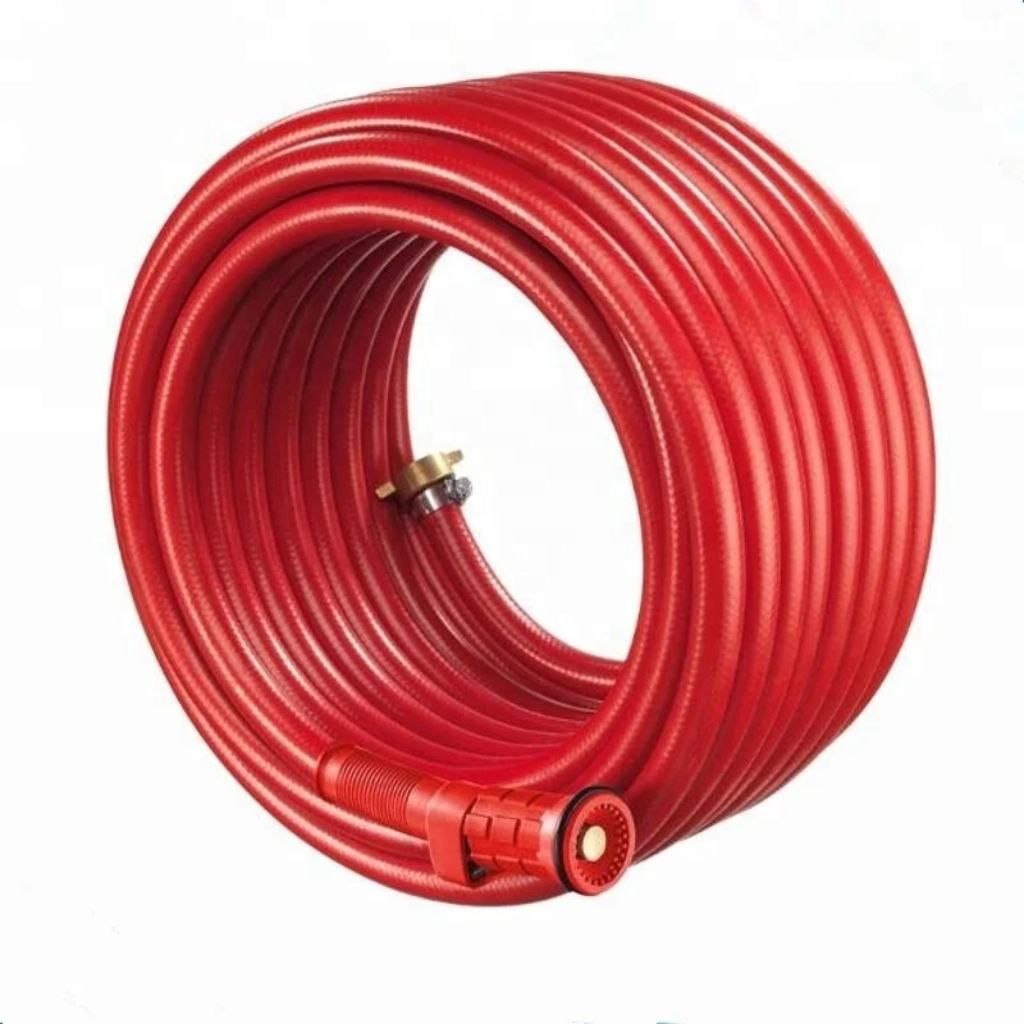
Fire Hose Reel Selection Guide for Different Environments: Precisely Match Scenarios to Improve Fire Extinguishing Efficiency
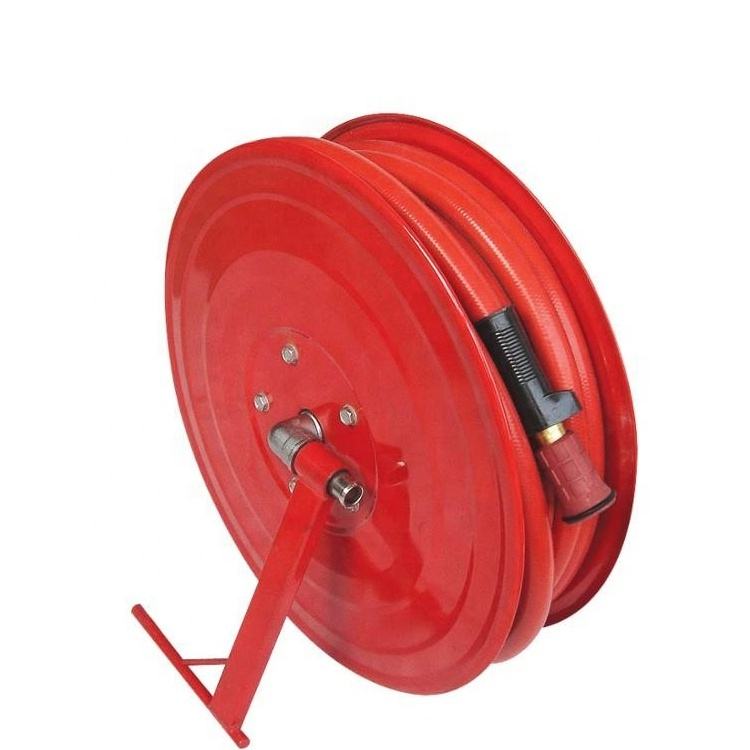
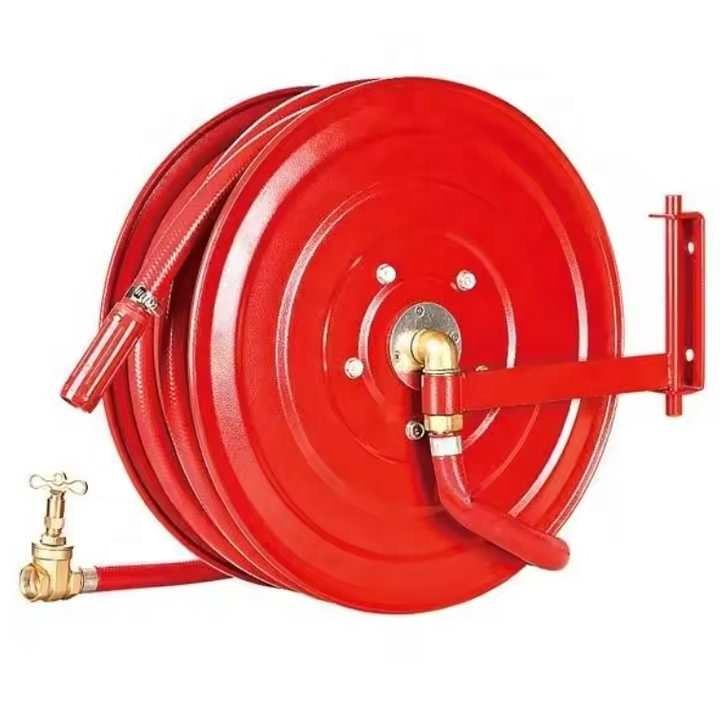
The core of Fire Hose Reel selection is
"environmental tolerance + fire type adaptation". There are significant differences in temperature, humidity, corrosive media and explosion-proof requirements in different environments. Blind selection will lead to rapid equipment aging, frequent operation failures and even failure to play a fire-extinguishing role. The following provides targeted selection schemes for six typical environments.
I. Low-Temperature and Frigid Environment (Winter temperature <-10℃, such as northern forest areas, pastoral areas, LNG stations)
- Core Pain Points: Hose brittle cracking at low temperature, metal parts freezing and jamming, water supply valve freezing and failure
- Selection Points
- Hose Material: Choose low-temperature resistant EPDM hose, which can withstand temperatures ≥-40℃, maintain an elasticity retention rate ≥90% at low temperatures, and avoid hardening and cracking.
- Reel Structure: The metal bracket is made of hot-dip galvanized carbon steel or stainless steel to prevent low-temperature rust; the reel bearing is filled with low-temperature lubricating grease to ensure smooth 360° rotation without jamming.
- Additional Configuration: Prioritize models with drain valve + thermal insulation cotton wrapping, which can quickly drain residual water after fire fighting to prevent freezing and cracking; water-type reels are compatible with anti-freeze fire water (added with antifreeze).
- Adapted Fire Types: Class A solid fires (wood, cloth), foam-type reels can be optionally equipped (with low-temperature resistant foam liquid) to deal with low-temperature oil fires.
II. High-Temperature and High-Humidity Environment (Summer temperature >40℃, such as southern coastal areas, tropical factories)
- Core Pain Points: Hose rubber aging and cracking, metal parts rusting, seal failure and water leakage
- Selection Points
- Hose Material: Choose weather-resistant CR hose with anti-ultraviolet and anti-aging components, which will not crack after long-term exposure to the sun; thickness ≥3mm to enhance wear resistance and pressure resistance.
- Reel Structure: The metal bracket is preferably made of 304 stainless steel, or carbon steel with double-layer epoxy zinc-rich coating to resist high-humidity corrosion; a ventilation and heat dissipation device is installed in the fire hydrant cabinet to avoid overheating of the reel.
- Functional Design: The spray gun head is equipped with a heat-insulating handle to avoid burns when holding at high temperatures; the water-type reel can be optionally equipped with a water mist nozzle for dual cooling and fire-extinguishing effects.
- Adapted Fire Types: Class A solid fires, Class B liquid fires (matched with foam mixture).
III. Coastal Salt Spray Environment (Ports, islands, offshore platforms)
- Core Pain Points: Metal parts perforated by salt spray corrosion, hose interface seal failure, reel rotation jamming
- Selection Points
- Reel Material: All components are made of 316 stainless steel (better salt spray corrosion resistance than 304), passing a salt spray test of ≥1000 hours without rust; small parts such as screws and valves are also made of stainless steel to avoid "short-board corrosion".
- Hose Configuration: Choose FKM-lined hose, which is resistant to salt spray and seawater erosion, and double-layer gaskets are installed at the hose interface to prevent water leakage.
- Installation Requirements: The reel installation height is ≥1.5m, away from seawater splash areas; anti-salt spray protective agent is regularly applied to extend service life.
- Adapted Fire Types: Class A + B fires in ship engine rooms and port warehouses.
IV. Industrial Explosion-Proof Environment (Chemical plants, oil depots, gas stations)
- Core Pain Points: Static accumulation causing explosion, electric sparks igniting flammable gases, sparks generated by hose friction
- Selection Points
- Anti-Static Design: Choose anti-static hose with built-in conductive fibers, and both ends of the hose are reliably connected to the reel metal bracket to ensure static electricity conduction; the reel must be treated with anti-static grounding (grounding resistance ≤10Ω).
- Explosion-Proof Configuration: Components such as spray gun heads and valves are explosion-proof type, complying with Ex d IIB T4 explosion-proof standard to avoid spark generation during switching.
- Material Requirements: The hose is oil-resistant and corrosion-resistant, and can directly transport foam mixture; the reel surface is coated with anti-static coating to prevent static accumulation.
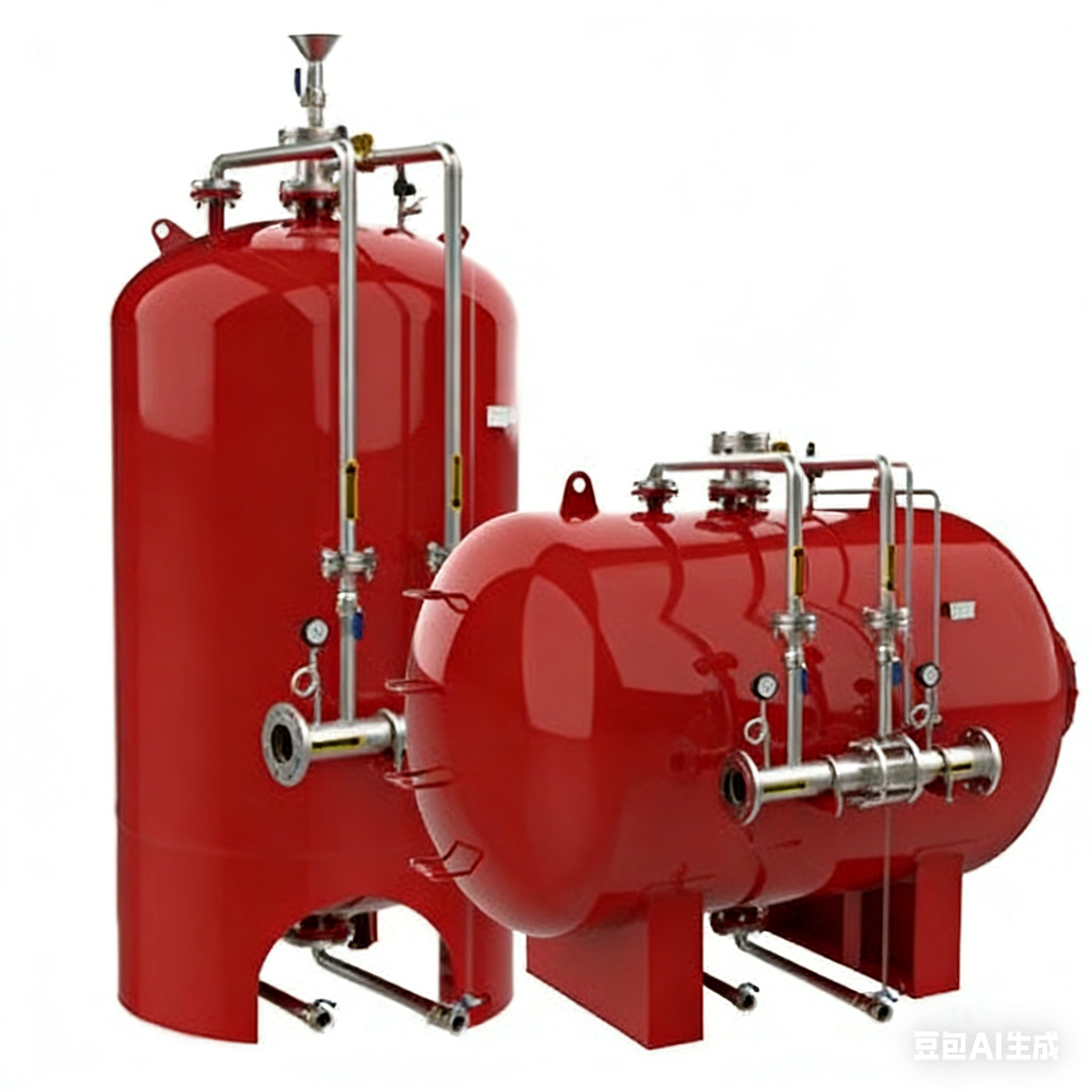
- Adapted Fire Types: Class B oil fires, Class A solid fires, must be used in conjunction with foam bladder tanks.
V. Narrow Space Environment (High-rise building basements, small shops, ship engine rooms)
- Core Pain Points: Insufficient installation space, difficult hose deployment, narrow operation channels
- Selection Points
- Reel Structure: Choose ultra-thin compact vertical reel (thickness ≤20cm) or horizontal wall-mounted reel to save floor space; reel diameter ≤30cm, suitable for rotation in narrow spaces.
- Hose Length: Customize 10-15m short hose as needed to avoid overlong tangling; the hose is made of lightweight rubber material, which can be easily pulled by a single person.
- Operation Design: The spray gun head is equipped with one-key switch for simple operation; the reel has a self-locking function to prevent the hose from automatically rewinding and hurting people.
- Adapted Fire Types: Initial Class A solid fires in small spaces.
VI. Ordinary Civil Environment (Office buildings, residences, shopping malls)
- Core Requirements: Simple operation, high cost performance, convenient maintenance
- Selection Points
- Reel Type: Prioritize ordinary water-type reel, suitable for Class A solid fires, with low operation threshold, which can be quickly mastered by non-professionals.
- Material Configuration: Carbon steel bracket + epoxy coating, hose made of NBR material, wear-resistant and pressure-resistant, with affordable price.
- Additional Functions: Fire hydrant cabinet with transparent window for daily inspection; reel with automatic rewinding function for convenient reset.
- Adapted Fire Types: Common Class A solid fires in civil places.
Core Selection Summary
- Two-Step Selection Method: First, determine the material (low-temperature resistant/corrosion resistant/explosion-proof) according to the environment; second, determine the reel type (water-type/foam-type) according to the fire type.
- Compliance First: All models must comply with the national standard GB 20031-2005, and export products must pass FM/UL certification.
- Maintenance Supporting: Confirm the after-sales maintenance capability of the manufacturer during selection to ensure timely supply of spare parts.
Learn More

 English
 日本語
日本語 Tiếng Việt
 繁體中文
繁體中文 بالعربية
 Արմենյան
 한국어
한국어 Русский
 Türkçe
 คนไทย
คนไทย nederlands
 Română
 Gaeilgenah Éireann
 Português
 Indonesia
 Polski
 Español
 magyar
 Nederlands
 हिंदी
हिंदी Eesti
Eesti